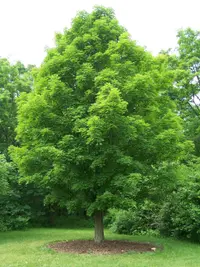





sugar maple (Acer saccharum) Light Needs

sugar maple grows best in full sun, with partial sun tolerated when open light is still available.

Light Preference

Full Sun

Acer saccharum Light Requirements

In its native range of eastern North America, sugar maple grows in deciduous forests, wooded slopes, and open edges. Young trees may start under partial canopy light, but mature trees develop best when their crowns reach open sky and receive long periods of direct sun.

This background explains its tolerance of partial sun but not deep shade in cultivation. Preferred light is full sun.

  • Ideal exposure:

    Acer saccharum needs about 6–8 hours of full sun daily, with at least 6 hours of direct sun for strongest growth.

  • Direct sun:

    Established trees tolerate full-day direct sun well when planted in open ground with normal seasonal conditions.

  • Partial sun:

    About 4–6 hours of direct sun can support growth, but canopy density and fall color may be reduced.

  • Harsh exposure:

    Young or recently planted trees benefit from gradual exposure before intense afternoon sun becomes their main light source.

Full sun is usually appropriate, but stressful exposure can still cause damage.

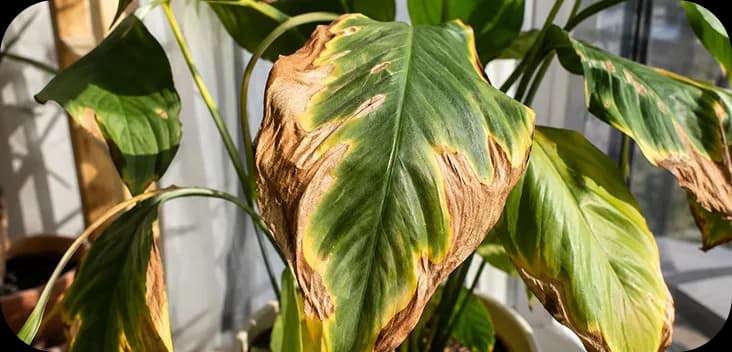
Leaf scorch:

Brown, dry patches may appear along leaf margins or between veins after unusually hot, exposed afternoons.

Bleached patches:

Pale tan areas on sun-facing leaves can follow sudden movement from filtered light into open sun.

Curling leaves:

Leaves may cup or look dull during intense heat when light and temperature rise together.

Bark injury:

Thin bark on young trunks can develop sunscald on the south or southwest side after strong winter sun.

Reduce stress by giving young trees gradual exposure or temporary afternoon shade during establishment. Avoid moving a shaded sapling straight into all-day sun.

This species is not suited to deep shade. Weak light usually shows in the growth pattern before individual leaves look damaged.

  • Sparse canopy:

    Branches may carry fewer leaves, leaving an open, thin crown during the active growing season.

  • Long internodes:

    New shoots may stretch, with wider gaps between leaf clusters as they reach toward brighter light.

  • Leaning growth:

    A young tree may angle toward an open side when nearby structures or overhanging branches block sun.

  • Small new leaves:

    Fresh leaves may stay smaller than expected when the crown receives only brief or filtered light.

Improve exposure by choosing a more open planting site or reducing competing shade where practical. Deep shade is not a reliable long-term setting.

Choose the brightest available outdoor site when full sun is limited. If only part sun is available, favor morning and midday sun over late-day shade.

Before planting, watch the site for one full day and note when buildings or large branches block the crown area.

A narrow courtyard or deeply shaded side yard is a poor choice because the crown cannot build enough energy there.

Get Personalized Care Plan

Scan your plant to receive care tips personalized for your specific plant

FAQ

The best light for sugar maple is full sun, meaning open exposure with at least 6 hours of direct sun daily. Part sun is tolerated, but growth may be less vigorous.

More Plant Light Guides

Get the Botan App

Discover how to care for your plants with Botan.

Botan app identifying a plant with a phone camera
How to Plant Pumpkin Seeds for a Fall Harvest and Grow Your Own Patch

7 min read · 4 Nov 2026

How to Plant Pumpkin Seeds for a Fall Harvest and Grow Your Own Patch

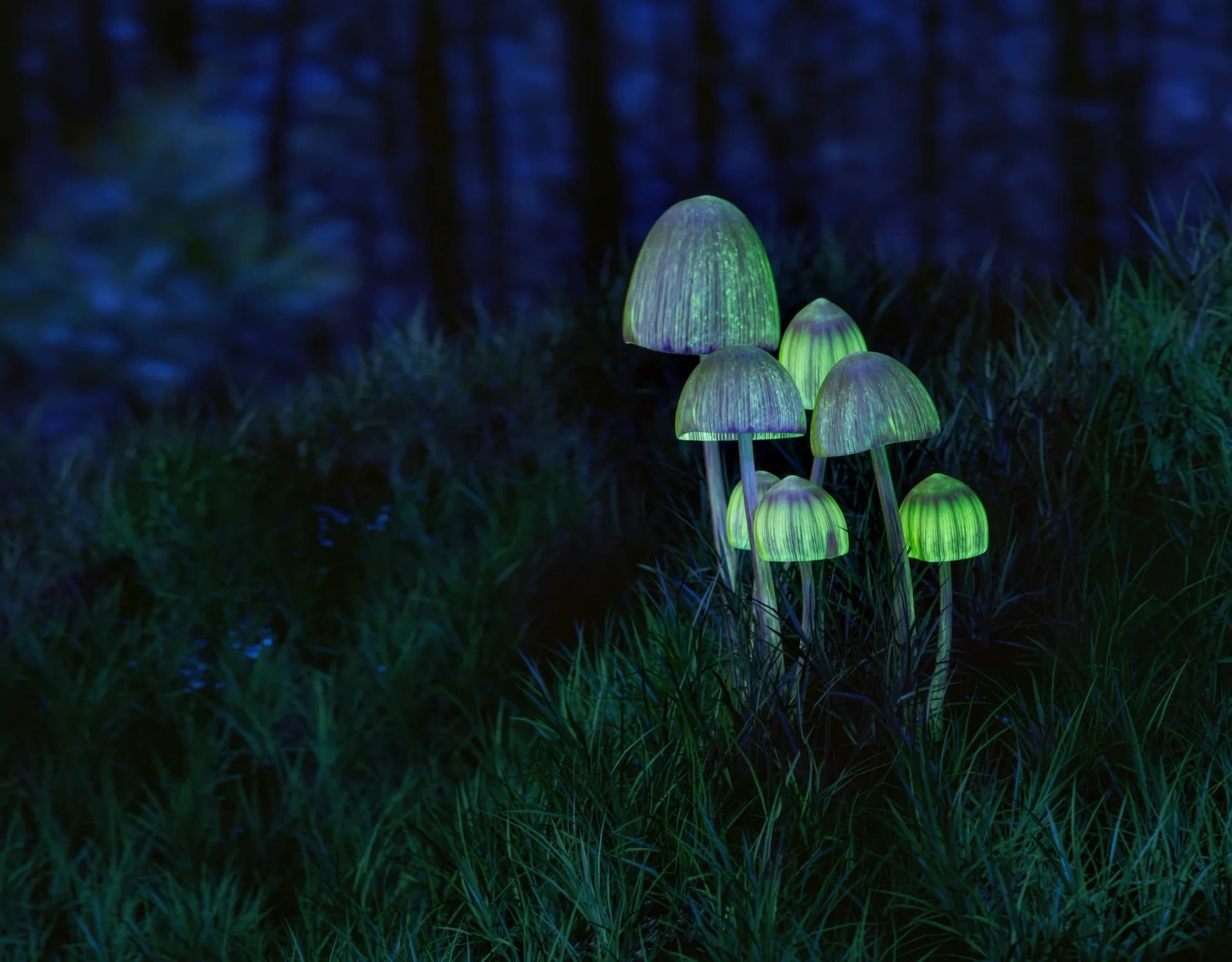
A backyard pumpkin patch starts months before the first leaves turn: the harvest that ends up on the porch in October is decided by what a gardener does in late spring.

Beginner Guides
How to Plant Pumpkin Seeds for a Fall Harvest and Grow Your Own Patch
8 Glow-in-the-Dark Plants and Fungi That Really Exist

8 min read · 6 Nov 2026

8 Glow-in-the-Dark Plants and Fungi That Really Exist

Plants that glow in the dusk really exist. Some of them produce their own light, while others need UV exposure or special treatments. Explore eight fascinating examples, including glowing petunias, bioluminescent mushrooms, fluorescent flowers, and experimental succulents.

Plant Recommendations
8 Glow-in-the-Dark Plants and Fungi That Really Exist
How To Revive a Dying Plant: 6 Steps To Bring A Plant Back To Life

6 min read · 1 Sept 2026

How To Revive a Dying Plant: 6 Steps To Bring A Plant Back To Life

Drooping leaves and brown tips don't always mean the end, and a weakened plant can often recover with a little help. These six simple steps will help you revive a dying plant and restore its health.

Plant Care
How To Revive a Dying Plant: 6 Steps To Bring A Plant Back To Life