

Norfolk Island Pine (Araucaria heterophylla) Light Needs

Norfolk Island Pine grows best in bright, indirect light with some gentle morning sun when acclimated.

Light Preference

Bright Indirect Light

Araucaria heterophylla Light Requirements

Norfolk Island Pine is native to Norfolk Island, where it grows in a mild, coastal climate with bright light and regular exposure to open sky. Mature trees receive strong sun, while younger plants may start with some protection from nearby vegetation.

This background explains why cultivated plants tolerate some direct sun but perform best when harsh rays are moderated. Preferred light is bright indirect light with gentle direct sun.

  • Ideal exposure:

    Araucaria heterophylla needs about 6–8 hours of bright indirect or filtered light daily, including 1–3 hours of gentle direct morning sun.

  • Direct sun:

    Acclimated plants can tolerate partial sun and even full sun outdoors, but sudden strong sun can scorch foliage.

  • Low light:

    Dim rooms are not suitable for steady growth and often lead to leaning or sparse, open branching.

  • Afternoon rays:

    Hot west or unfiltered south exposure is the riskiest light indoors, especially close to glass.

Indoors, place this plant where it receives long, bright exposure without intense afternoon heat.

NConditional
North-facing window:

A north window is usually too dim unless it is very large, unobstructed, and bright for most of the day.

EBest
East-facing window:

An east window is often the best indoor position because it provides bright light and gentle morning sun.

SSuitable
South-facing window:

A south window is suitable if the plant sits a few feet back or the light is softened by a sheer curtain.

WConditional
West-facing window:

A west window can work only with filtering or some distance from the glass to reduce hot afternoon sun.

Choose the brightest safe exposure available, then adjust distance from the glass if foliage shows stress.

Excess light usually shows after sudden exposure or hot afternoon sun.

Pale foliage:

Needle-like foliage turns pale, straw colored, or washed out on the side facing the glass or sun.

Dry outer tips:

Outer branch tips may become dry and brittle after a bright, hot exposure, especially near windows.

One-sided stress:

Stress often appears first on the upper or western-facing side of the plant, not evenly through the canopy.

Dull color:

Fine foliage can look dull or slightly gray-green after a sudden move into stronger direct light.

Move the plant out of harsh afternoon rays and keep bright light filtered. If it was moved recently, step up direct sun slowly over 1–2 weeks.

Low light often changes the shape before it causes obvious damage. Watch for these patterns during active growth.

  • Leaning crown:

    The top may angle toward the brightest side as growth searches for stronger light.

  • Open spacing:

    New branch tiers can form farther apart, making the plant look less compact.

  • Weak new growth:

    Fresh tips may stay smaller, softer, or less evenly arranged than older growth.

  • Slow active growth:

    Little change during spring or summer can suggest that available light is too low.

Move Araucaria heterophylla to a brighter position with longer daylight exposure. Make the change gradually if the new spot includes direct sun.

If ideal light is not available, choose the brightest area that avoids hot afternoon rays. A spot with long, bright exposure is better than a dim corner with a short sunbeam.

Move the plant a few inches at a time when increasing light. Rotate the pot every 1–2 weeks so the crown does not lean toward one side.

Avoid placing it far from natural light. Shade slows compact growth and weakens the even, tiered shape.

Get Personalized Care Plan

Scan your plant to receive care tips personalized for your specific plant

FAQ

For Norfolk Island Pine light requirements, aim for about 6–8 hours of bright indirect or filtered light daily, with 1–3 hours of gentle direct morning sun if acclimated.

More Plant Light Guides

Get the Botan App

Discover how to care for your plants with Botan.

Botan app identifying a plant with a phone camera
How Often to Water Fruit Trees

7 min read · 11 Aug 2026

How Often to Water Fruit Trees

Irrigation needs change as roots establish and weather shifts. This guide gives practical starting intervals, explains how soil and tree type change them, and shows how to recognize both excess moisture and drought stress.

Plant Care
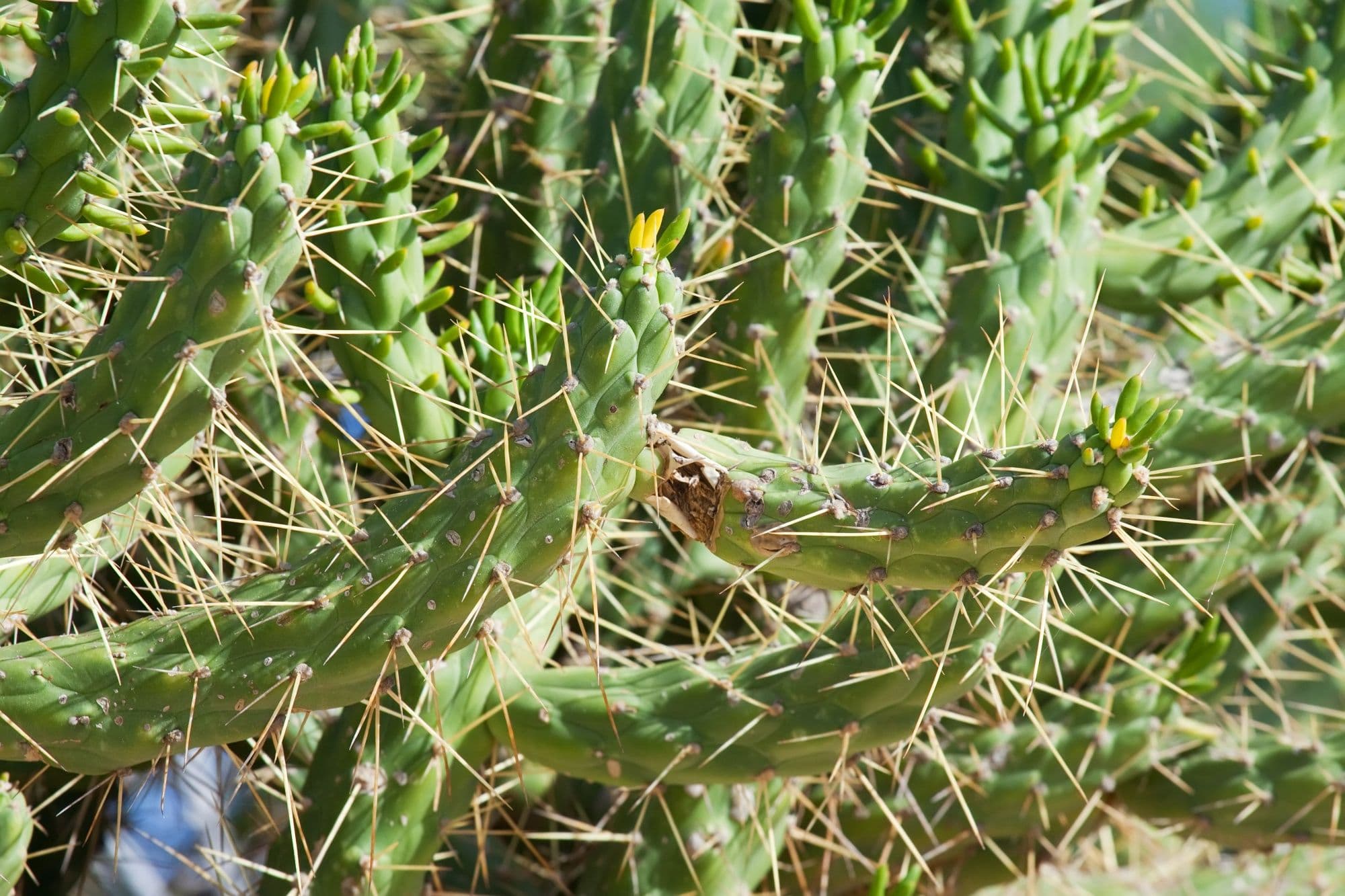
How Often to Water Fruit Trees
Thorny Plants: A Comprehensive Guide

10 min read · 25 Aug 2026

Thorny Plants: A Comprehensive Guide

Many plants defend themselves with sharp thorns. This guide explores over 20 examples among flowers, shrubs, trees, and vines. You'll learn what each plant looks like, why it grows thorns, and how to quickly identify them.

Plant Recommendations
Thorny Plants: A Comprehensive Guide
How to Use a Moisture Meter for Plants

5 min read · 4 Sept 2026

How to Use a Moisture Meter for Plants

Watering by feel kills plenty of houseplants. A moisture meter checks the soil for you, and takes the guesswork out of it. This guide will show you how to use it correctly, from the first touch to the final reading.

Beginner Guides
How to Use a Moisture Meter for Plants