

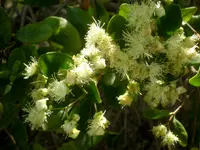

Luma (Amomyrtus luma) Light Needs

Luma grows best in partial sun, with bright filtered light and some gentle direct sun each day.

Light Preference

Partial Sun

Amomyrtus luma Light Requirements

Amomyrtus luma is native to temperate forests of southern Chile and nearby Argentina, where it grows as an evergreen shrub or small tree. In habitat, it may receive filtered light under open woodland edges or stronger sun in exposed sites. This range explains its tolerance of full sun, partial sun, and shade in cultivation. Preferred light is partial sun with bright filtered exposure.

  • Ideal exposure:

    Amomyrtus luma needs about 6–8 hours of bright filtered light daily, including 2–4 hours of direct morning sun.

  • Full sun:

    Established outdoor plants can tolerate full sun where heat and reflected glare are not extreme.

  • Afternoon heat:

    In hot inland sites, harsh afternoon sun is more stressful than morning sun and may require light filtering.

  • Light shade:

    Light shade is tolerated, but dense shade usually produces slower, looser growth, less density, and fewer flowers.

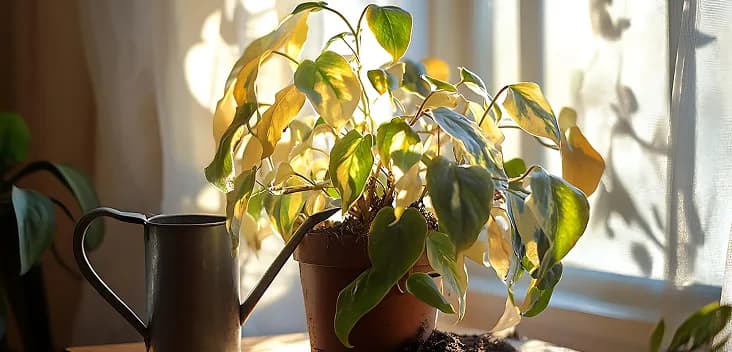
Strong sun is usually a problem after sudden exposure or during hot afternoons.

Bleached patches:

Pale tan or silvery areas may appear on the sun-facing side of older leaves after abrupt exposure.

Crisp leaf tips:

Dry tips or margins can develop where leaves face reflected heat from walls, paving, or glass.

Dull, tight foliage:

Leaves may look smaller, tighter, or less glossy when afternoon sun and heat exceed the plant’s tolerance.

Scorched new growth:

Tender new shoots may brown on the exposed side before older, tougher foliage shows much damage.

Move Amomyrtus luma to morning sun or filtered light, or add light shade during the hottest part of the day. Make the change gradually if the plant has been in shade.

Low light is tolerated, but deep shade can reduce density and seasonal growth.

  • Long internodes:

    New shoots may stretch, with wider gaps between pairs of leaves than on growth formed in brighter positions.

  • Leaning growth:

    Branches often angle toward the brightest side when light reaches only one part of the canopy.

  • Fewer flowers:

    Flowering may be sparse because the plant has less energy for bud formation.

  • Small new leaves:

    Fresh growth may emerge smaller and thinner during the active growing season.

Shift Amomyrtus luma into brighter filtered light or partial sun over 1–2 weeks. Avoid moving a shaded plant straight into hot afternoon sun.

When ideal partial sun is not available, choose morning sun with afternoon shade over all-day shade. If only full sun is available, use filtering cover, shade cloth, or a less reflective planting spot to reduce midday heat.

Improve uneven exposure by reducing only surrounding shade that blocks the brightest part of the day, then rotate container-grown plants every few weeks.

Deep shade beneath dense structures is a poor setup because growth becomes open and flowering is reduced.

Get Personalized Care Plan

Scan your plant to receive care tips personalized for your specific plant

FAQ

The best light for Luma is partial sun: bright filtered light with about 2–4 hours of gentle direct sun. It also tolerates full sun or light shade when acclimated.

More Plant Light Guides

Get the Botan App

Discover how to care for your plants with Botan.

Botan app identifying a plant with a phone camera
Best Fertilizer for Vegetable Gardens – What to Use for Each Plant

11 min read · 20 Jul 2026

Best Fertilizer for Vegetable Gardens – What to Use for Each Plant

Here, you’ll find the right fertilizer formula for vegetables in your garden. Learn how to adjust feeding correctly throughout the growing cycle, spot nutrient deficiencies by their symptoms, and keep your plants healthy and prolific.

Plant Recommendations
Best Fertilizer for Vegetable Gardens – What to Use for Each Plant
Is Sugar Water Good for Plants?

4 min read · 14 Sept 2026

Is Sugar Water Good for Plants?

Sugar water may sound like an easy boost, but most rooted plants do not need extra sucrose. This guide explains how green tissues produce carbohydrates, when a sweetened solution can be useful, and why too much can cause problems.

Plant Care
Is Sugar Water Good for Plants?
Plants That Repel Bugs – 20 Effective Options

12 min read · 16 Jul 2026

Plants That Repel Bugs – 20 Effective Options

Mosquitoes on the patio? Gnats in the kitchen? Some plants keep them away with the scent of their own leaves. Here are 20 that deal with mosquitoes, flies, aphids, and more, plus where to put them so they help.

Plant Recommendations
Plants That Repel Bugs – 20 Effective Options