

turmeric (Curcuma longa) Light Needs

turmeric grows best in bright filtered light or partial sun, with gentle direct sun and protection from harsh afternoon exposure.

Light Preference

Partial Shade

Curcuma longa Light Requirements

In warm, humid tropical growing areas, turmeric grows during the rainy season when light is strong but often softened by clouds and overhead foliage. Leaves are broad and can use good brightness, yet they scorch more easily when intense sun arrives suddenly.

This background explains why cultivated plants handle sun best when it is gentle or filtered. Its preferred light is bright filtered light or partial sun.

  • Ideal exposure:

    turmeric needs about 6–8 hours of bright filtered light or partial sun daily, including 2–4 hours of gentle direct morning sun.

  • Full sun tolerance:

    Established plants can tolerate more direct sun outdoors, especially in humid conditions, but abrupt hot afternoon sun can scorch leaves.

  • Lower light limit:

    Light shade is tolerated for foliage, but deep shade usually produces weak growth and fewer flowers.

  • Best timing:

    Morning sun is safer than late-day sun because leaves stay cooler and recover better.

Indoors, turmeric needs the brightest available position with some sun filtered or softened by distance.

NPoor
North-facing window:

Poor in most homes because the light is usually too weak for sturdy active-season growth.

EBest
East-facing window:

Best for indoor growth because it gives gentle morning sun and bright light for much of the day.

SSuitable
South-facing window:

Suitable when the plant sits 2–4 ft from the glass or behind a sheer curtain during strong midday sun.

WConditional
West-facing window:

Conditional because afternoon rays can be hot; use distance or filtering if leaves show pale, dry patches.

Adjust placement seasonally as sun angle and day length change.

Strong light is most risky after a sudden move into direct sun.

Bleached patches:

Upper leaves may develop pale tan or whitish areas where the sun hits directly, especially on the west or south side.

Papery spots:

Scorched tissue can turn dry and thin, with a clear edge between damaged and healthy green tissue.

Midday folding:

Leaves may fold, curl, or hang during the hottest hours when light and heat are too intense.

One-sided damage:

Marks often appear on the most exposed leaves while shaded leaves remain normal.

Move Curcuma longa back to filtered light or morning sun only. Keep the new exposure steady for several days before increasing brightness again.

Low light usually shows during active growth, when Curcuma longa should be producing strong leaves.

  • Leaning stems:

    Leaf stalks may angle toward the brightest side instead of standing upright.

  • Longer spacing:

    New growth can look stretched, with taller, weaker stems and less compact foliage.

  • Small new leaves:

    Fresh leaves may emerge narrower or smaller than earlier growth from the same clump.

  • Fewer flowers:

    Blooming may be limited indoors when the plant does not receive enough bright light.

  • Slow summer growth:

    Growth may stall during warm months even when the plant is in its normal active season.

Move it gradually to brighter filtered light or a place with gentle morning sun. Avoid a sudden jump into harsh afternoon sun.

Choose the brightest spot that avoids harsh afternoon rays when ideal light is not available. Give priority to steady filtered light over short bursts of intense sun.

Filter strong rays with a sheer curtain or move the pot 2–4 ft back if leaves develop pale dry patches. Rotate the pot a quarter turn weekly during active growth.

Deep shade is unsuitable because it leads to weak foliage and limited flowering.

Get Personalized Care Plan

Scan your plant to receive care tips personalized for your specific plant

FAQ

The best light for turmeric is bright filtered light or partial sun for most of the day. Gentle morning sun helps support sturdy foliage and flowering.

Everything About turmeric

More Plant Light Guides

Get the Botan App

Discover how to care for your plants with Botan.

Botan app identifying a plant with a phone camera
Can Plants Grow With Artificial Light?

6 min read · 15 Sept 2026

Can Plants Grow With Artificial Light?

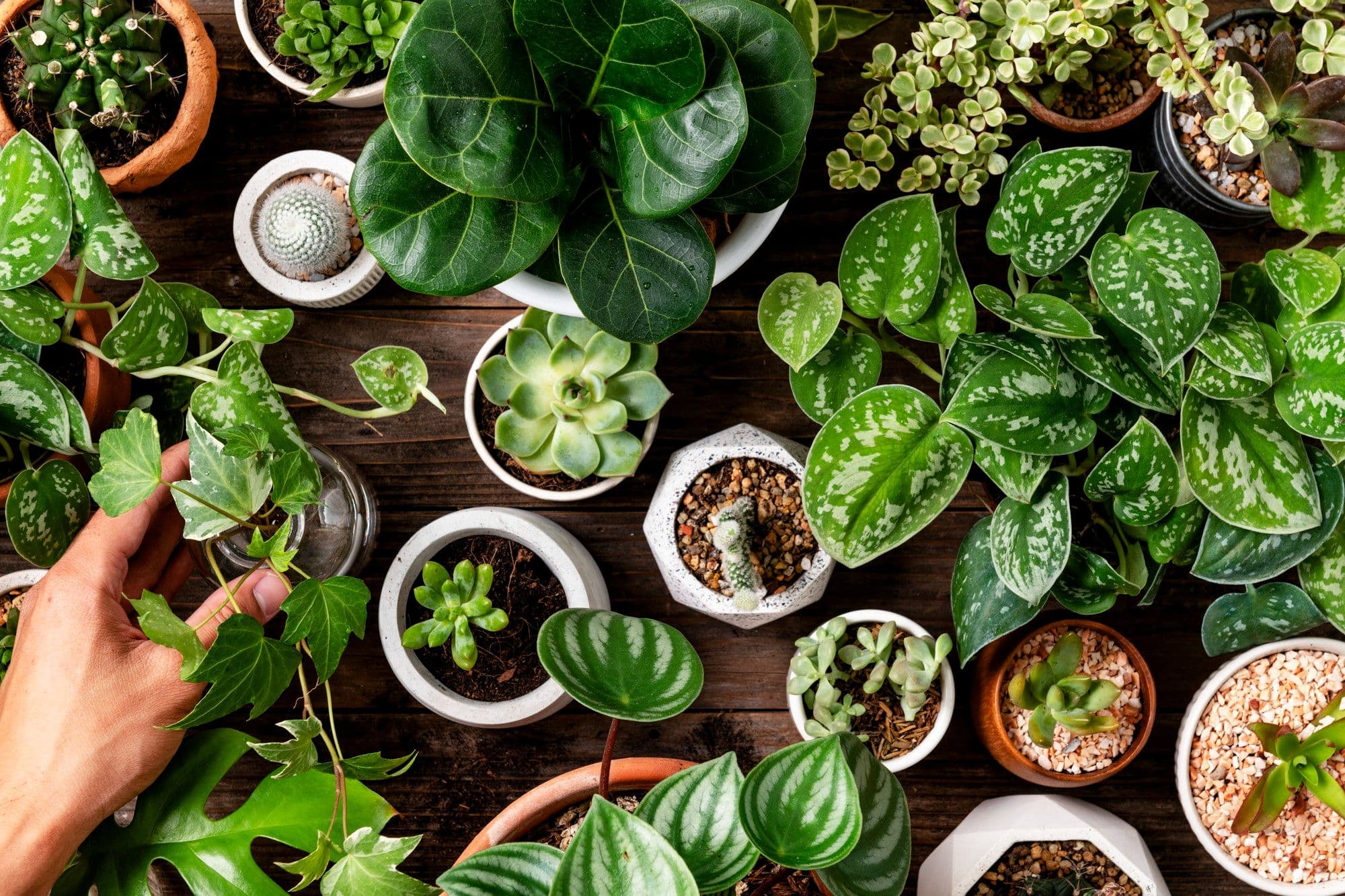
Plants can grow under artificial light when the setup provides a suitable spectrum, enough intensity, and sufficient daily exposure. This guide explains how artificial lighting compares with sunlight, which options work indoors, and how to match a setup to houseplants.

Plant Care
Can Plants Grow With Artificial Light?
What Do Plants Need to Grow – 5 Things Every Greenery Can't Live Without

8 min read · 31 Jul 2026

What Do Plants Need to Grow – 5 Things Every Greenery Can't Live Without

To keep plants healthy and thriving, provide the right balance of light, humidity, nutrients, airflow, and quality soil. This guide covers the essentials of year-round plant care.

Beginner Guides
What Do Plants Need to Grow – 5 Things Every Greenery Can't Live Without
Rice Water for Plants – Which Plants Love It and How to Make It

8 min read · 14 Jul 2026

Rice Water for Plants – Which Plants Love It and How to Make It

Rice water can be an ideal DIY solution for orchids, roses, or fruiting plants. It supports growth, leaf count, and height. We’ll share how to make and apply it correctly for your plant.

Plant Care
Rice Water for Plants – Which Plants Love It and How to Make It