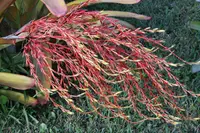



Bromeliad (Aechmea blanchetiana) Light Needs

Bromeliad grows best in full sun to strong partial sun, with several hours of direct light daily.

Light Preference

Full Sun

Aechmea blanchetiana Light Requirements

Aechmea blanchetiana is native to eastern Brazil, where it grows in warm coastal and forest-edge habitats with strong seasonal sun. Plants are often exposed to open light rather than deep shade, and their stiff rosettes tolerate intense brightness when adapted gradually.

In cultivation, those conditions translate to high light with direct sun supporting compact growth and stronger leaf color. Preferred light is full sun to strong partial sun.

  • Ideal exposure:

    Aechmea blanchetiana needs about 6–8 hours of full sun or strong partial sun daily, including about 4–6 hours of direct sun.

  • Full sun:

    Mature, acclimated plants can handle full sun outdoors, especially with good air movement and gradual exposure increases.

  • Harsh heat:

    In very hot inland sites, filtered late-afternoon light can reduce bleaching while still keeping growth firm.

  • Low light:

    Shade is not suitable long term and often leads to greener leaves, weaker form, and fewer blooms.

Excess light usually appears after a sudden move or extreme heat.

Bleached patches:

Pale tan or whitish areas on upper leaves can form where direct sun hits newly exposed tissue.

Papery spots:

Dry, crisp marks may develop on sun-facing leaves after abrupt exposure to intense afternoon sun.

Washed color:

Strong sun can produce warm leaf color, but a faded, scorched look suggests stress rather than healthy coloring.

Heat-side damage:

Injury may appear mostly on the side facing reflective walls, pavement, or hot west sun.

Move the plant to bright light with filtered afternoon sun. Reintroduce stronger direct sun gradually over 1–2 weeks.

Low light weakens the plant’s compact, sun-adapted growth. Changes usually develop gradually during the active season.

  • Greener leaves:

    Leaves may lose their warm orange or bronze tones and become flatter green in weak light.

  • Open rosette:

    New leaves can grow longer, softer, and more spread out instead of staying firm and upright.

  • Leaning growth:

    The rosette may angle toward the brightest side when light reaches it from only one direction.

  • Poor blooming:

    Flowering is less likely when the plant does not receive enough direct or very bright light.

  • Small new growth:

    New leaves may emerge narrower or weaker during months when growth should be active.

Move it to stronger light in stages, aiming for morning sun first. Increase direct exposure gradually before using full-day sun.

If full sun is not available, place the plant where it receives morning sun plus bright open light for the rest of the day; this is the closest compromise.

Rotate the pot every few weeks so the rosette develops evenly and does not lean toward one side.

Avoid deep shade or a dim patio corner; that setup cannot meet Aechmea blanchetiana light needs for strong growth or reliable flowering.

Get Personalized Care Plan

Scan your plant to receive care tips personalized for your specific plant

FAQ

Bromeliad light requirements are strongest in full sun to strong partial sun. In most settings, this plant performs best with 6–8 hours of bright exposure, including several hours of direct sun.

More Plant Light Guides

Get the Botan App

Discover how to care for your plants with Botan.

Botan app identifying a plant with a phone camera
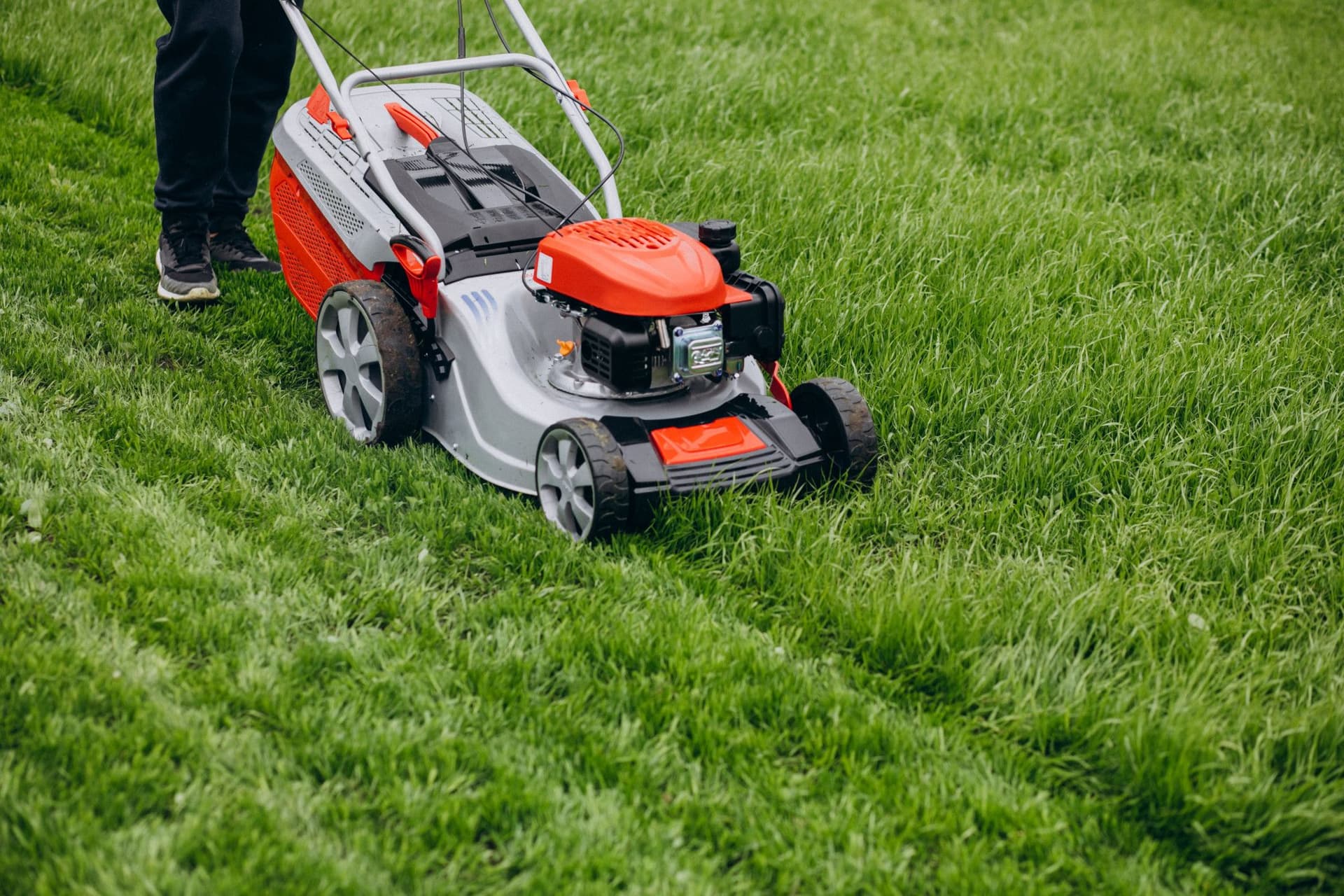
Best Time to Mow Lawn – A Complete Guide

5 min read · 10 Aug 2026

Best Time to Mow Lawn – A Complete Guide

Explore when to mow your lawn for its health and a pleasant green color. Find out the best time for this task during the summer heat, and follow practical tips for correctly cutting the grass, and learn common mistakes to avoid.

Plant Care
Best Time to Mow Lawn – A Complete Guide
12 Best Plants That Repel Spiders For Your Home and Garden

8 min read · 24 Jul 2026

12 Best Plants That Repel Spiders For Your Home and Garden

Spiders constantly appear in places you don't want them. A few common plants can help repel them using scent alone. Here are 12 options suitable for both indoors and outdoors, plus care tips for each.

Plant Recommendations
12 Best Plants That Repel Spiders For Your Home and Garden
How Often to Water Fruit Trees

7 min read · 11 Aug 2026

How Often to Water Fruit Trees

Irrigation needs change as roots establish and weather shifts. This guide gives practical starting intervals, explains how soil and tree type change them, and shows how to recognize both excess moisture and drought stress.

Plant Care
How Often to Water Fruit Trees