

7 min read · 24 Aug 2026
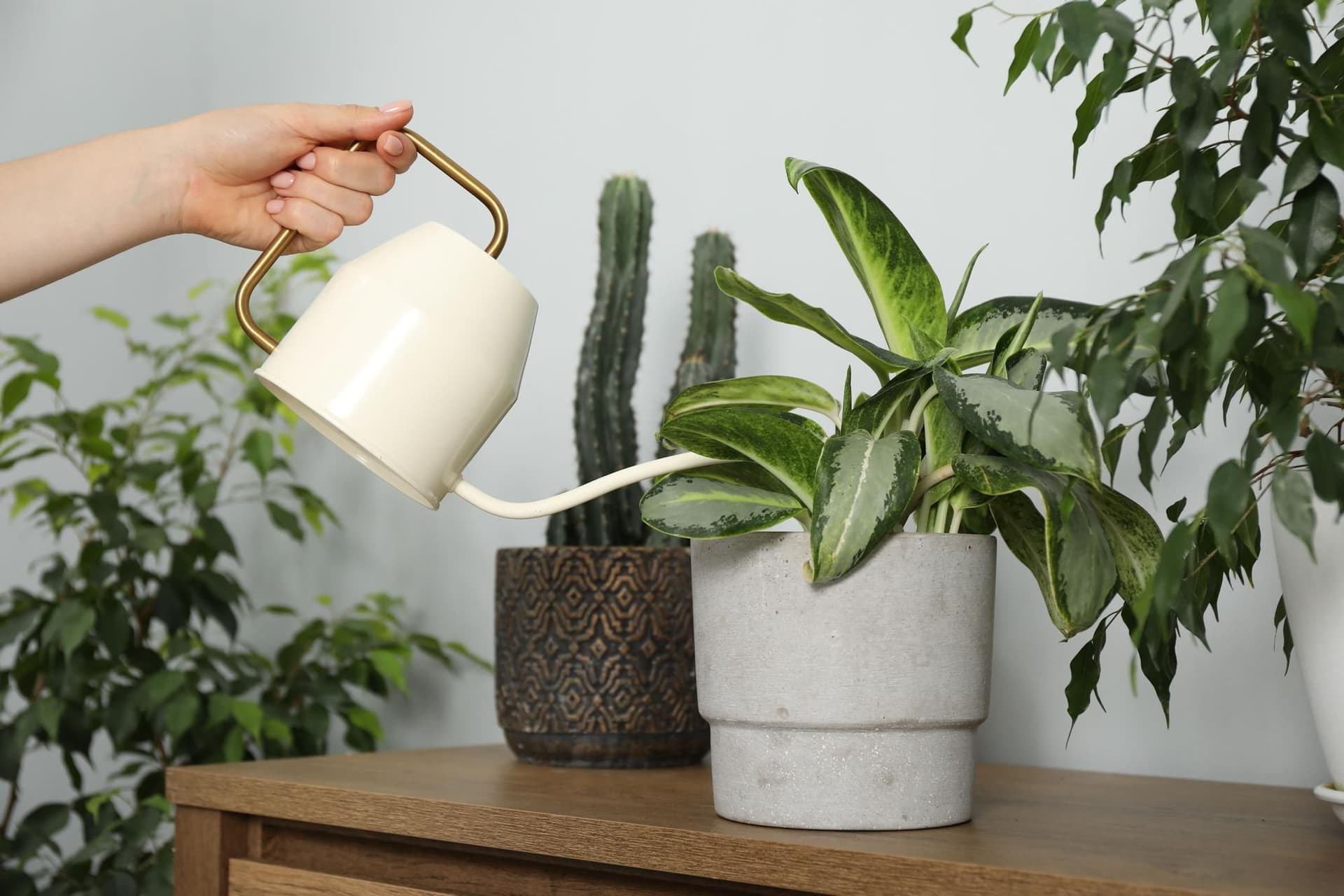
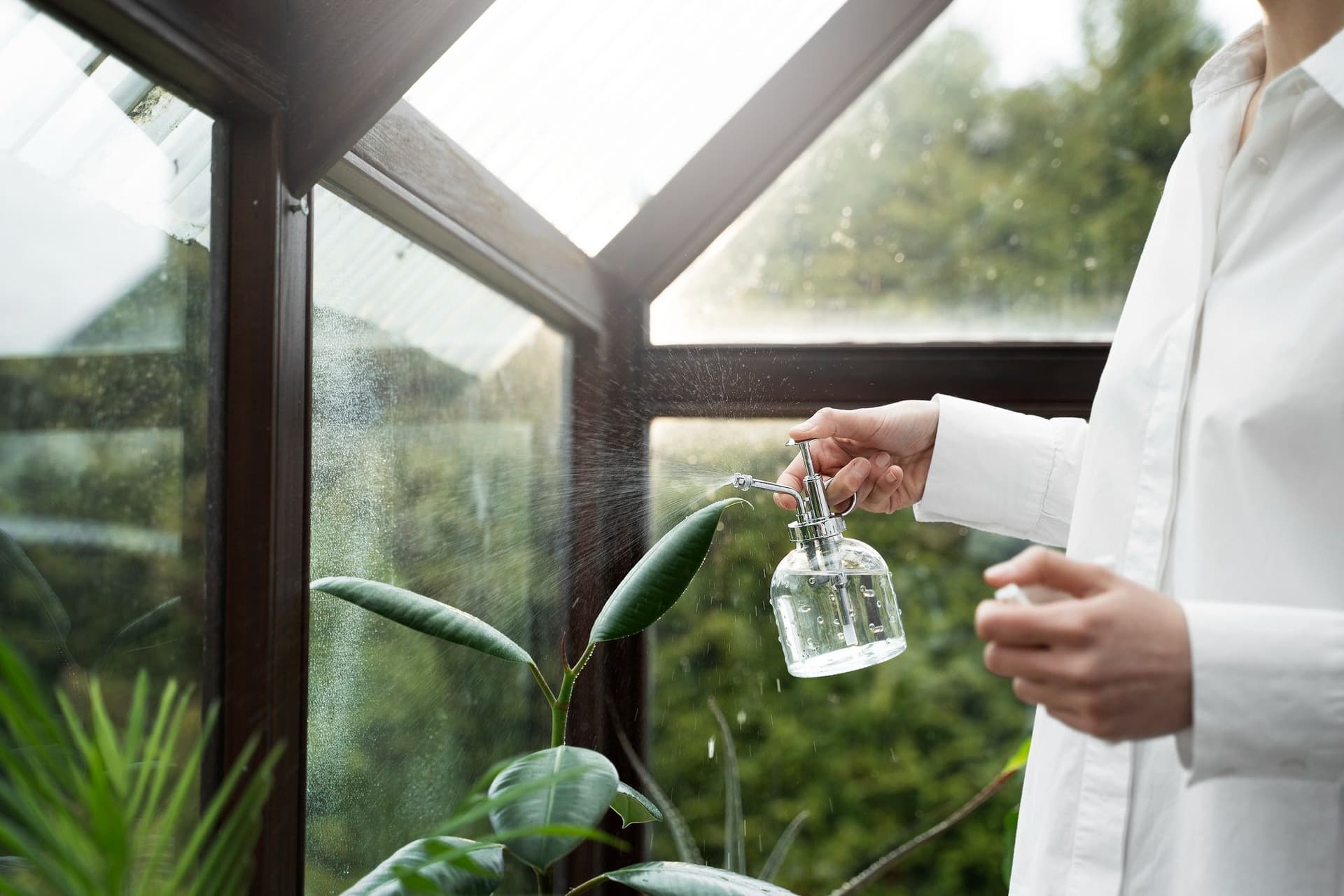
How to Water Houseplants: Watering Guide
Learn how often to water indoor plants, key factors for proper watering, and how to adjust the care routine by plant type, season, pot size, light, and indoor conditions.
Plant Care


Rubber tree grows best in full sun, with several hours of direct light and strong brightness through the day.

Light Preference
Full Sun
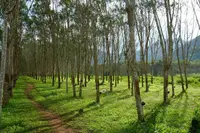
Hevea brasiliensis is native to the humid tropical forests of the Amazon Basin, where young trees may start in filtered light below taller growth. As they mature, they reach the upper canopy and receive strong sun in warm, humid conditions with little seasonal cold.
This pattern explains why cultivated plants handle partial sun when young but develop best with open, sustained brightness. Preferred light is full sun.
Rubber tree needs about 6–8 hours of full sun or very bright light daily, including 4–6 hours of direct sun.
Established, acclimated plants can tolerate full outdoor sun, especially in warm, humid conditions.
Partial sun is tolerated when young, but long periods of weak light reduce strong growth.
Hot afternoon sun is safest after gradual acclimation, not after a sudden move from shade.
Excess light problems usually appear after a sudden move into harsh sun.
Leaves may show pale tan or silvery areas on the sun-facing side, especially after abrupt exposure.
Damaged spots can dry to a thin, crisp texture while shaded parts of the same leaf stay firmer.
Young leaves may curl slightly or look dull during the hottest afternoon hours when light and heat combine.
The most exposed outer leaves may mark first, while inner leaves on Hevea brasiliensis remain normal.
Move the plant out of the hottest exposure or add temporary light shade. Reintroduce stronger sun gradually over 1–2 weeks.
Weak light limits the strong growth this species normally makes in warm weather.
New stems may stretch, leaving wider gaps between leaves than the plant produced in brighter conditions.
Shoots may angle toward the brightest side instead of growing evenly from the main stem.
Fresh leaves may emerge smaller and thinner when Hevea brasiliensis receives shade for long periods.
Little extension during spring and summer can suggest light is too weak, especially when temperatures are suitable.
Move it to a brighter, sunnier position rather than deeper shade. Increase exposure in stages if the current leaves formed in low light.
If full sun is not available, choose the brightest outdoor spot that receives at least 4–6 hours of direct sun. Avoid choosing shade as a long-term compromise.
After a period in lower light, increase exposure over 1–2 weeks so existing leaves adjust. Turn a container-grown specimen occasionally so each side receives strong light.
Reject deep porch shade or indoor corners for long-term growth because they do not meet Hevea brasiliensis light needs.
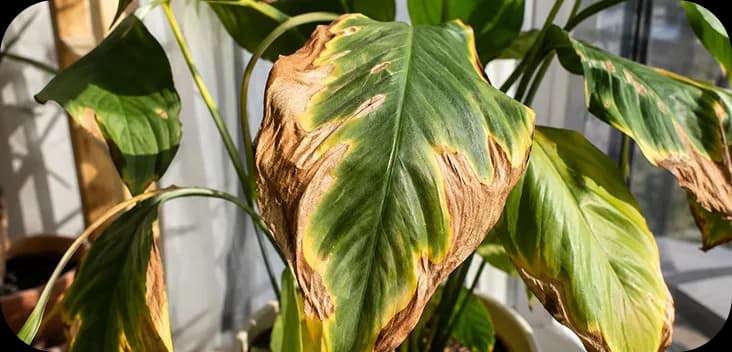
Too Much Sun?
Check if your plant gets too much direct sunlight and improve its placement
Scan your plant to receive care tips personalized for your specific plant
Rubber tree light requirements are full sun to very bright partial sun, with about 6–8 hours of light daily and at least 4–6 hours of direct sun when possible.
Discover how to care for your plants with Botan.

7 min read · 24 Aug 2026
Learn how often to water indoor plants, key factors for proper watering, and how to adjust the care routine by plant type, season, pot size, light, and indoor conditions.
6 min read · 4 Aug 2026
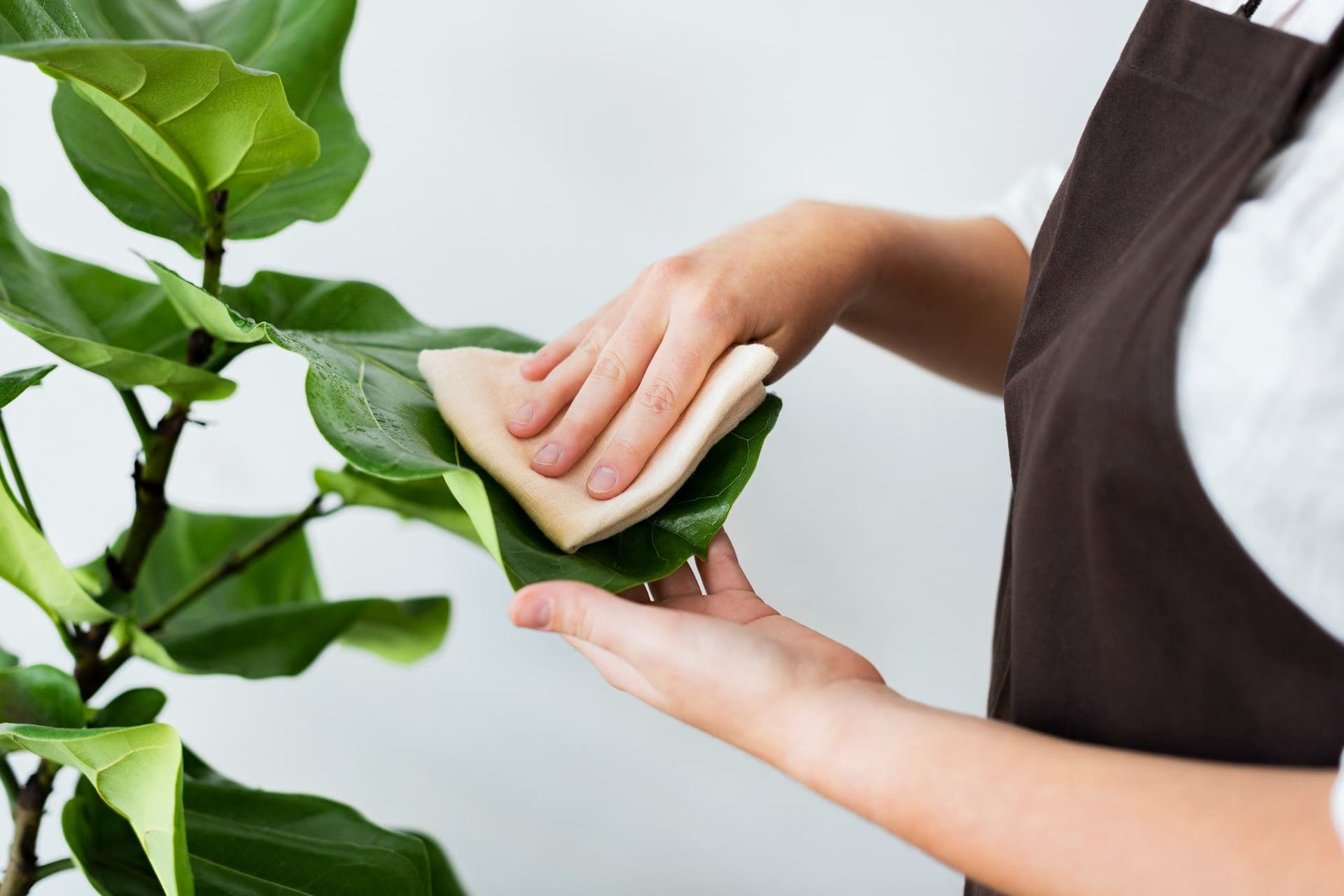
Dusty leaves look dull and don't absorb light well. Below, you'll find simple ways to clean them, which tools are truly effective, how often you should do it, and what causes damage.
8 min read · 14 Aug 2026
Dry indoor air stresses a lot of houseplants. You usually notice it first in the browning leaf tips. This guide describes 8 simple ways to raise the moisture around your plants, from humidifiers to pebble trays.