How To Revive a Dying Plant: 6 Steps To Bring A Plant Back To Life
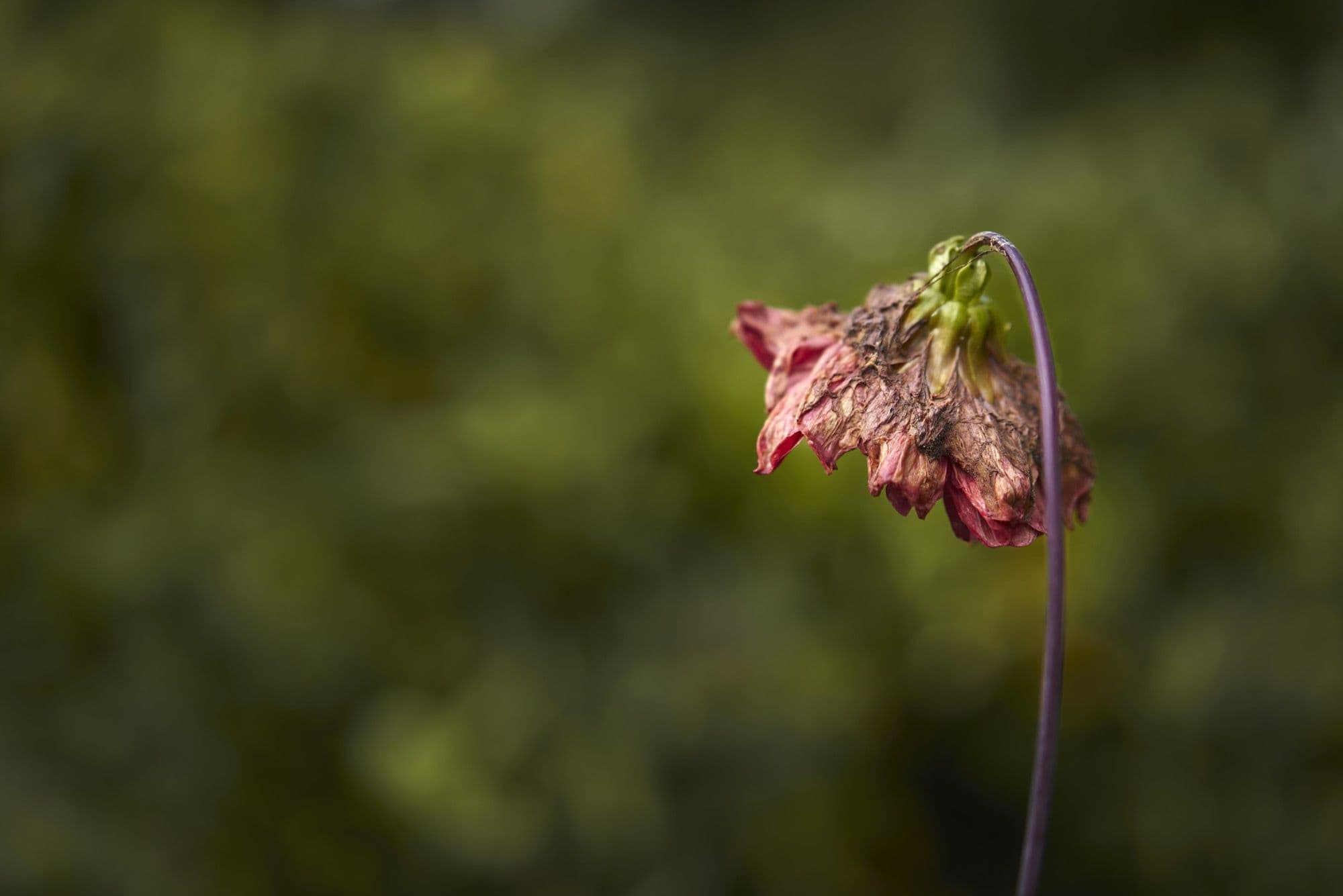
Drooping leaves and brown tips don't always mean the end, and a weakened plant can often recover with a little help. These six simple steps will help you revive a dying plant and restore its health.

On this page
- Reviving a Dying Plant Step by Step
- 1. Check if it's still alive
- 2. Trim the dead parts
- 3. Fix the watering
- 4. Check the roots and repot
- 5. Adjust the light
- 6. Feed it and wait
- Why Is My Plant Dying: 5 Common Causes
- 1. Overwatering
- 2. Underwatering
- 3. Wrong Light
- 4. Pests
- 5. Poor Soil or Low Level Of Nutrients
- What Are the Best Remedies for Dying Plants
- How To Prevent Plant Dying
A dying plant can look completely hopeless. The leaves are drooping, the color is faded, and it seems like nothing can help. But most species are much more resilient than they appear. So how to revive a dying plant before it dies completely?
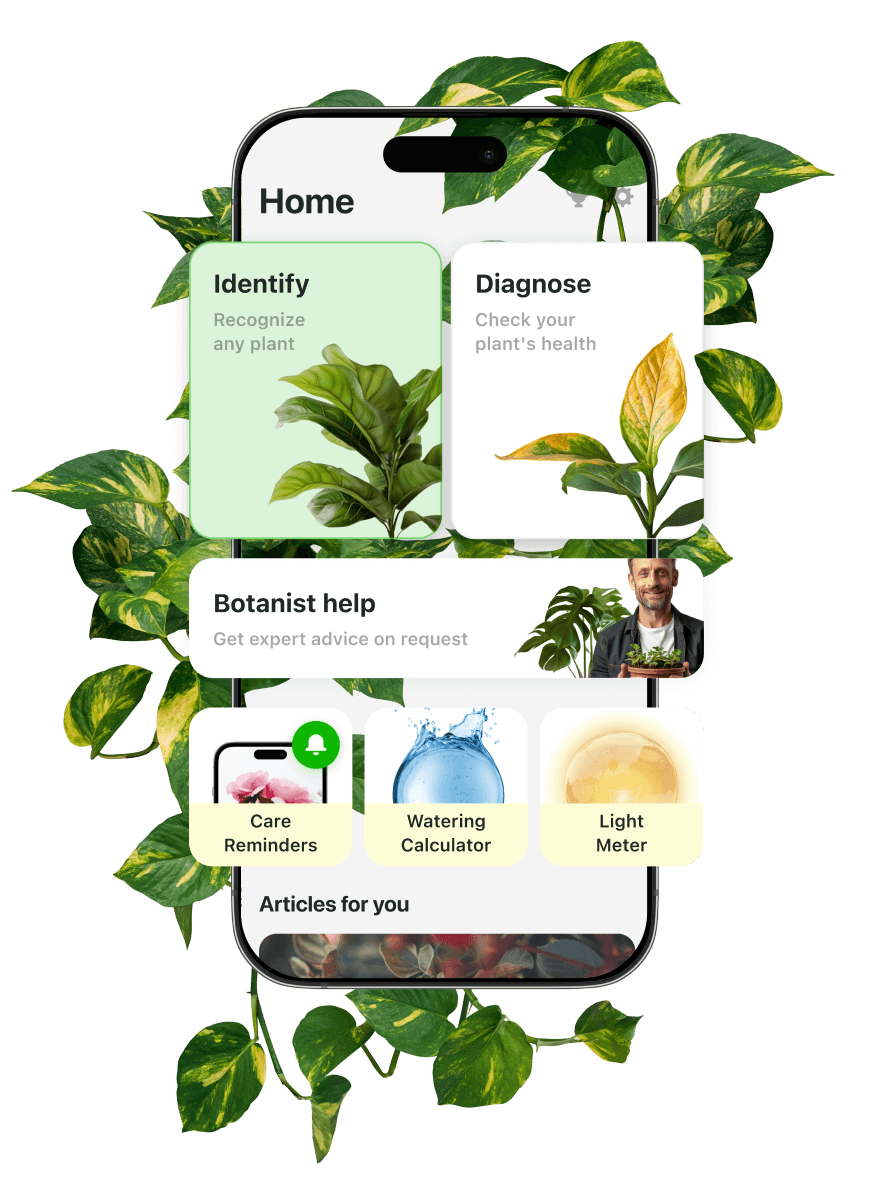
First of all you need to trim off dead parts and reconsider your watering. Also, you can use Botan to identify houseplants in seconds — it names the species and provides care instructions. Read on to learn the steps to revive your plant, identify the causes, and prevent problems in the future.
Reviving a Dying Plant Step by Step
Saving a dying plant is most effective when you take it step by step, so don't try to fix everything at once. Follow these six steps in order, and give it some time to recover between each stage.

1. Check if it's still alive
Start by checking to see if the plant can be saved. Scratch a small spot on the stem with your fingernail — a green spot underneath means it is still alive. Now bend a few stems. Bending stems are a good sign, while dry and snapping ones are likely dead.
2. Trim the dead parts
So, how to revive plants on the next stage? Dead leaves and stems drain energy from the plant, which is why pruning is one of the major tasks you must complete. Use clean scissors to trim away any brown, soft, or crusty parts, and leave only green or slightly soft ones.
3. Fix the watering
Bad watering habits cause more problems than almost anything else. Test the soil by sticking your finger 2 inches (5 cm) into the soil. Dry and dusty? It needs watering. Damp and smelly? You're overwatering. The water quality itself is also important, so make sure you have the best water for plants.
4. Check the roots and repot
Sometimes the real problem hides below the surface. Carefully remove the root ball from the pot and inspect it. Healthy roots look strong and pale, while black, soft, and smelly ones are a sign of rot. Remove damaged roots, then repot the plant in fresh soil with good drainage.
5. Adjust the light
Lighting is one of the most common problems. Too little light causes plants to stretch and turn pale, while too much burns the leaves and turns them brown. Find a suitable spot for your pot, as most houseplants prefer bright, indirect sunlight near a window. Hardy species, such as the ZZ Plant, tolerate low light well while they recover.
6. Feed it and wait
A stressed houseplant needs feeding, but not right away. Wait 2-4 weeks after rescuing before adding fertilizer. Then use a diluted, balanced fertilizer to gradually restore nutrients. New growth is slow, and some species take a month or more to develop.

Not sure which plant you're saving?
Take a photo and get an instant plant ID
Your Personalized Care Plan
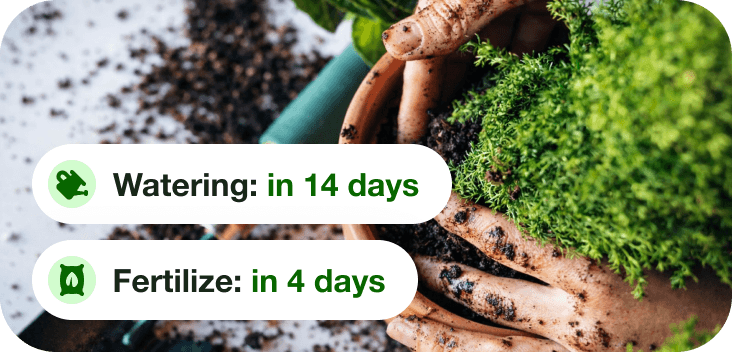
Get personalized plant care recommendations in the app
Why Is My Plant Dying: 5 Common Causes
“Why is my plant dying after all that care?” — you may ask. It's usually a matter of a few recurring problems, and most plants suffer from the same few causes. Here are the 5 most common reasons, and how to identify them.

1. Overwatering
Overwatering is the number one cause that leads to houseplant death. Roots sit in damp soil, are deprived of air, and begin to rot. Leaves often turn yellow and become soft to the touch. Allow the soil to dry before watering again, and make sure the pot has proper drainage holes.
Signs of overwatering:
- Yellow, soft, or crumbly leaves
- Soil that remains damp for several days
- Musty odor from the pot
2. Underwatering
A plant that becomes too dry suffers just as much. Leaves wilt, curl, and become dry at the edges. The soil also pulls away from the sides of the pot. Water the houseplant slowly and deeply, and continue to water until liquid begins to drain from the bottom.
Signs of underwatering:
- Crispy, curling leaf edges
- Dry soil that shrinks in the pot
- Slow or stunted growth
3. Wrong Light
Lighting problems become apparent quickly. Too little sunlight causes plants to stretch and lose color, while too much can scorch and discolor the leaves. Find out what your houseplant prefers, then move it to a window with better light or add a grow light.
Signs of lighting problems:
- Long, stretched, elongated stems
- Pale or faded leaves
- Brown, scorched spots on leaves
4. Pests
Tiny bugs can cause surprisingly extensive damage. Spider mites, aphids, and mealybugs feed on leaves and plant sap. Look for webbing, sticky spots, or small white clumps. First, your task is to wipe down the houseplant, and then treat for pests by using insecticidal soap or neem oil.
Signs of pests:
- Fine webbing on leaves and stems
- Sticky coating on leaves
- Tiny moving dots or bits of white fluff
5. Poor Soil or Low Level Of Nutrients
Old soil gradually depletes nutrients, which causes the plant to grow weak and look pale, even if you're doing everything right. You may also notice yellowing between the veins of the leaves. Refresh the topsoil or repot the plant entirely, and a gentle fertilizer will give it a boost.
Signs of poor soil:
- Slow or stunted growth
- Yellowing between the veins of the leaves
- Water draining too quickly

What Are the Best Remedies for Dying Plants
Knowing how to bring a plant back to life depends entirely on what's wrong. There's no magic solution, so you simply need to choose the right remedy based on the cause. Root rot requires repotting, while a dry houseplant may only need a long, slow soak.
A hardy Aloe can quickly recover after addressing the underlying issues. The table below explains what each remedy is for and when to use it.
Remedy | What It Does | When To Use |
Repotting | Replaces depleted soil and improves drainage | Root rot, soggy or compacted soil |
Deep watering | Restores the water balance | Wilting, crispy leaves, and dry soil |
Pruning | Releases energy for healthy parts | Brown, mushy, or dead stems and leaves |
Moving the plant | Determines the required amount of light | Leggy growth or scorched leaves |
Balanced fertilizer | Replenishes lost nutrients | Pale, slow growth in old soil |
Pest treatment | Kills pests before they spread | Webbing, sticky spots, visible pests |
So when is it too late to revive a plant? Black, soft roots with no green stems usually mean it’s dead.
How To Prevent Plant Dying
The easiest plant to save is one that never gets sick. A few simple rules can help prevent plant dying:
- Check the soil before every watering
- Provide each plant with the light it truly needs
- Wipe the leaves occasionally to remove dust and pests
- Repot every one or two years in fresh soil
- Use a plant identifier app to learn what each plant really needs
- Inspect your plants once a week to spot early signs of problems
FAQ
Often yes, although it depends on how badly the plant has been damaged. If the stem is still green and the roots are strong, you have a real chance. Trim off the dead parts, correct the maintenance issue, and wait a few weeks.
Alex Yar
Plant Expert
7+ years of experience studying plants, researching their diseases, and examining their characteristics.
Alex is a plant expert and writer with more than 7 years of experience studying plants, their growing requirements, and their responses to environmental conditions. His areas of expertise include plant care, disease recognition, stress diagnosis, pest-related problems, and the distinctive characteristics of different species.
Over the years, Alex has developed a strong practical understanding of how light, temperature, humidity, watering, soil conditions, and nutrition affect plant health. He combines careful observation with in-depth research to explain effective care and recovery methods.
Alex has extensive hands-on experience caring for houseplants. His articles translate complex botanical topics into clear guidance that helps you better understand your plants and recognize early warning signs.
Related Articles
5 min read · 28 Sept 2026
How to Winterize Your Garden in 6 Steps
Learn how to prepare your garden for winter with a practical six-step checklist covering cleanup, tender plant care, watering, mulching, winter protection, and winterizing equipment and containers.

6 min read · 15 Sept 2026
Can Plants Grow With Artificial Light?
Plants can grow under artificial light when the setup provides a suitable spectrum, enough intensity, and sufficient daily exposure. This guide explains how artificial lighting compares with sunlight, which options work indoors, and how to match a setup to houseplants.
4 min read · 14 Sept 2026
Is Sugar Water Good for Plants?
Sugar water may sound like an easy boost, but most rooted plants do not need extra sucrose. This guide explains how green tissues produce carbohydrates, when a sweetened solution can be useful, and why too much can cause problems.
Explore Plants by Care Needs
 POPULAR
Paddle plant
Kalanchoe luciae
 POPULAR
Naked Lady plants
Amaryllis belladonna
 POPULAR
Red Mambo
Alocasia azlanii
 POPULAR
Baseball Plant
Euphorbia obesa
 POPULAR
Cardinal flower
Lobelia cardinalis
 POPULAR
Felt bush
Kalanchoe beharensis
 POPULAR
String of Fishhooks
Curio radicans
 POPULAR
Bolivian begonia
Begonia boliviensis
Identify the plant and problem. Help your plant recover
Identify plant problems early, understand what's wrong, and get clear care guidance. Botan helps you turn guesswork into confident plant care