7 min read · 6 Aug 2026
Planting Grass Seed in Summer – What Works and What Fails
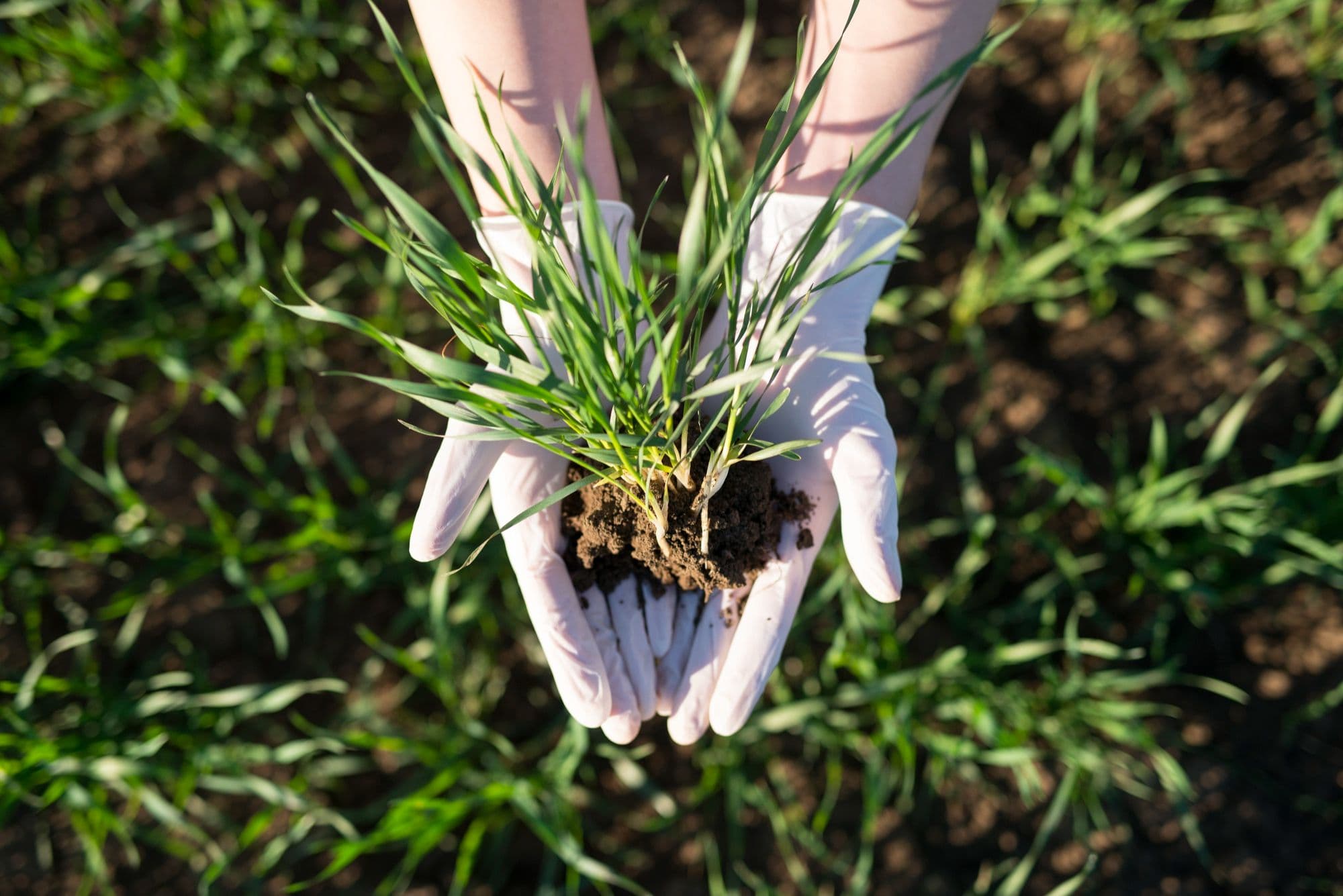
Summer seeding succeeds when the grass type suits the season, and the soil stays moist. Find out how to prepare the seedbed and choose a safe window for planting.
Hevea brasiliensis grows best in a loose, moisture-retentive but well-drained mix that supports healthy root function.

Soil Texture
Sandy, Loamy, Organic-rich

Soil pH
Acidic (5.5–6.5), Slightly acidic (6.5–7.0)

Soil Drainage
Moist but well-drained
.5912-200x133.webp)
Native to the Amazon region of South America, Hevea brasiliensis grows in warm, humid conditions where soil stays evenly moist but still drains freely. That background explains why the best soil for rubber tree should hold some moisture without becoming dense or waterlogged.
A loose sandy-loam with plenty of organic matter suits its active root system because roots need both moisture and air around them. Slightly acidic to near-neutral soil supports steady uptake, while good structure helps the root zone stay open instead of compacted.

A homemade mix gives better control over texture and airflow for Hevea brasiliensis, especially in containers where dense media can stay wet too long.
The finished blend should feel light, springy, and crumbly, with enough body to stay evenly moist while excess water moves through without pooling.
A good target is 5.5–6.8 pH. This places the soil in the acidic to slightly acidic range, where key nutrients stay more available to roots.
Rubber tree can handle small variation, but a mix that drifts too far outside that range may make nutrient uptake less efficient even when the soil itself looks suitable.
Soil issues often develop gradually, especially indoors where evaporation is slower. For Hevea brasiliensis, compacted or stale potting media can be one possible stress factor.
Dense soil that stays heavy after watering can limit root oxygen; gently loosen only the top layer and plan to replace the mix with a more open one.
If the container stays soggy for days or smells stale, trapped moisture may be building up; check drainage holes and reduce water-holding material next time.
Very dry soil that shrinks from the pot edge may resist rewetting; moisten it gradually so the root zone absorbs water more evenly.
A crust on the surface or pot rim can point to accumulated minerals; flush the soil thoroughly once and monitor for recurring residue.

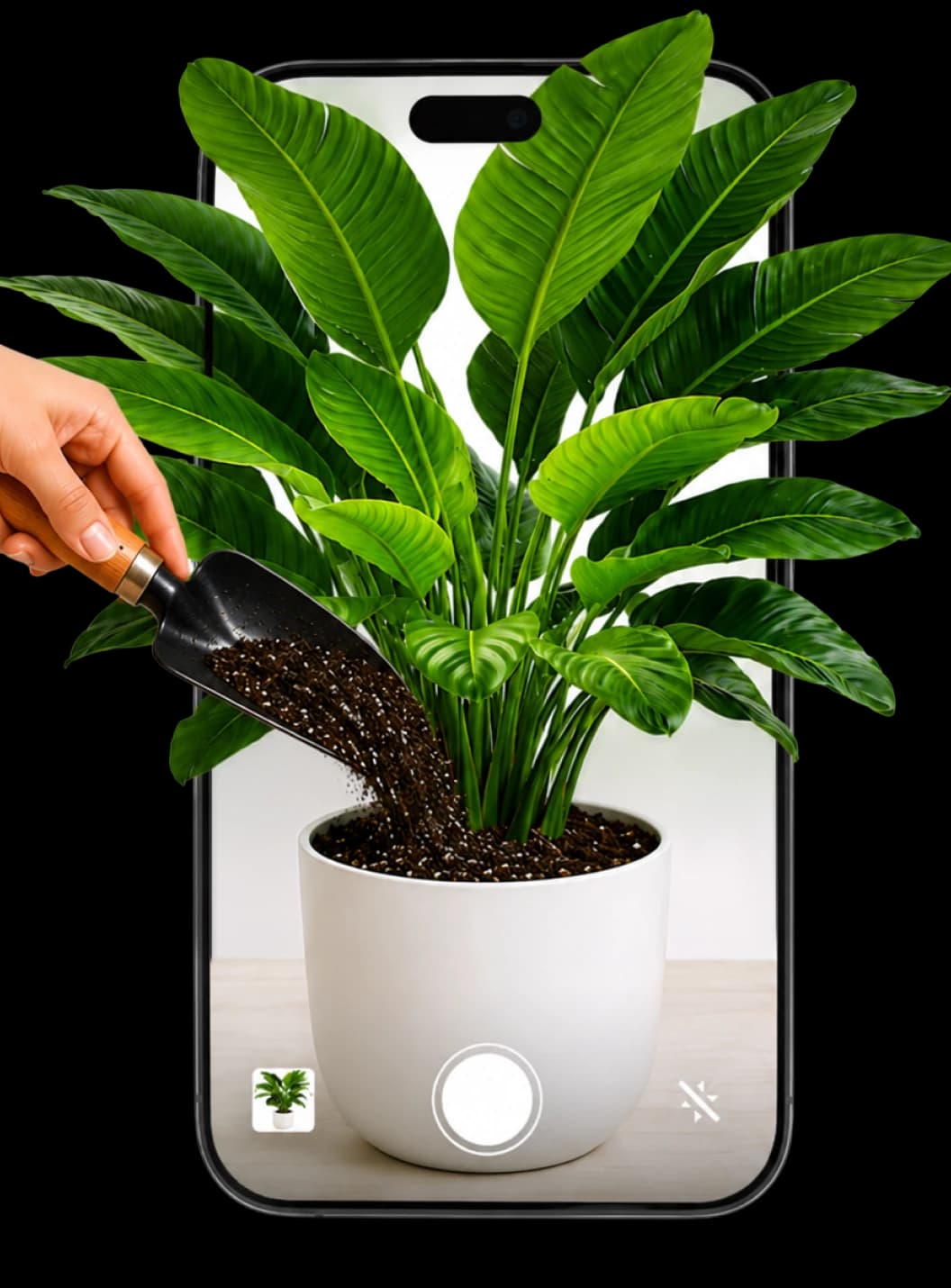
Plant Soil Guide
Find the right soil mix for your plant and support healthier root growth
Botan helps match this plant to a more suitable soil setup by combining plant ID with clear, practical care guidance.
Yes. Drainage holes help excess water leave the container, which lowers the risk of stale, airless conditions around the roots and keeps the mix more balanced over time.
If a plant looks off, Botan’s photo-based assessment can help identify whether soil conditions are one factor worth checking.


7 min read · 6 Aug 2026
Summer seeding succeeds when the grass type suits the season, and the soil stays moist. Find out how to prepare the seedbed and choose a safe window for planting.

6 min read · 15 Sept 2026
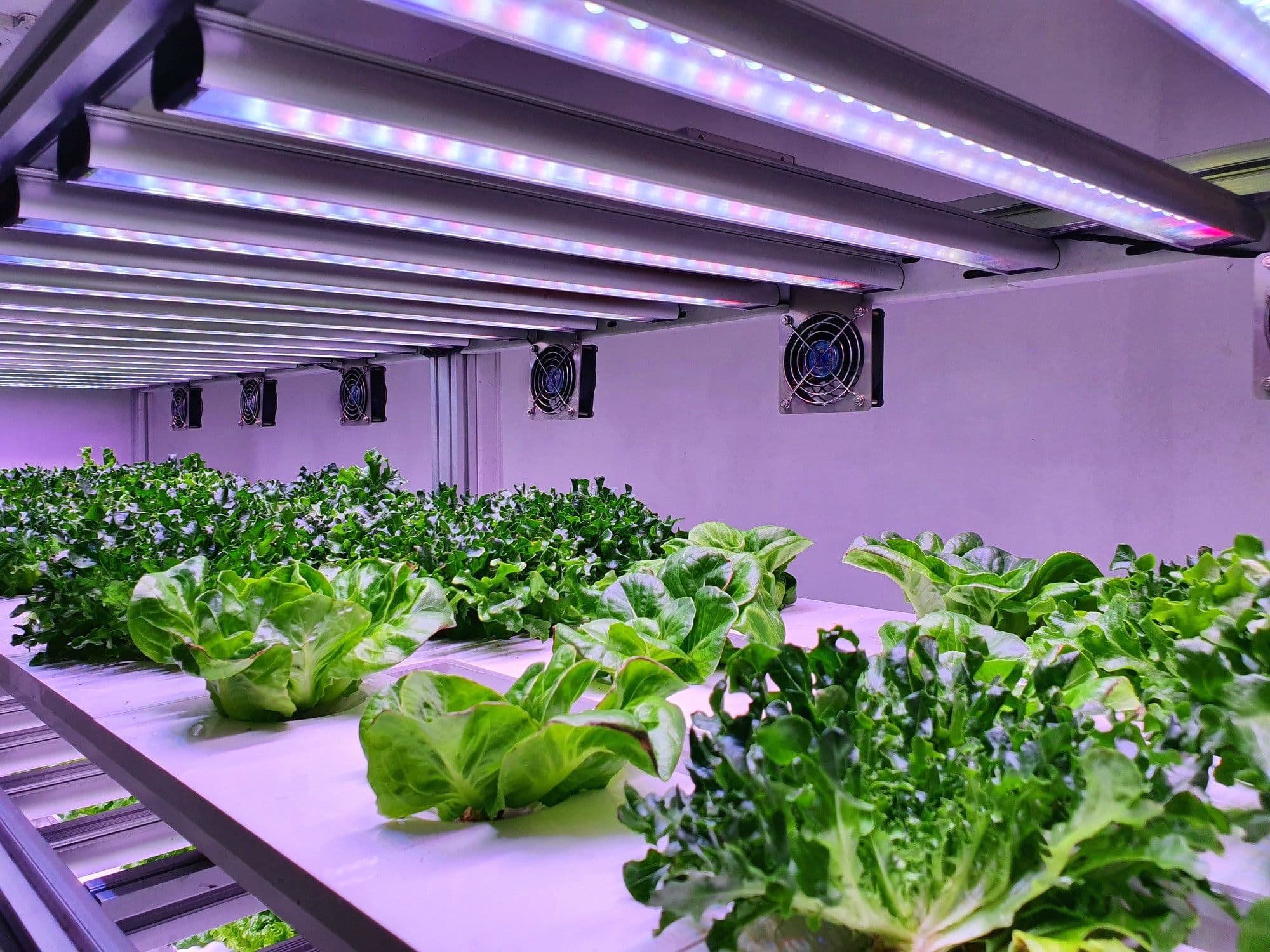
Plants can grow under artificial light when the setup provides a suitable spectrum, enough intensity, and sufficient daily exposure. This guide explains how artificial lighting compares with sunlight, which options work indoors, and how to match a setup to houseplants.

6 min read · 4 Aug 2026
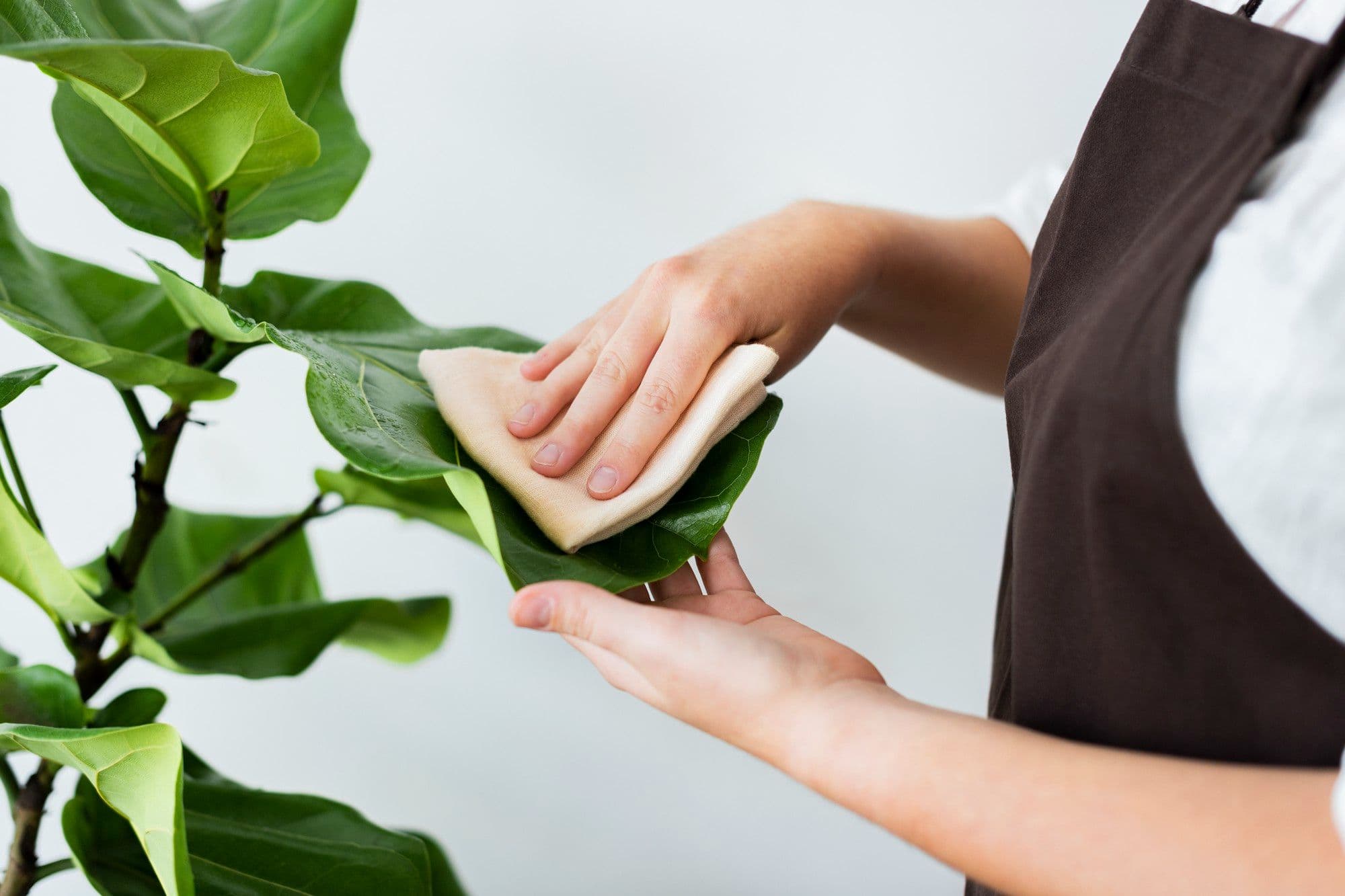
Dusty leaves look dull and don't absorb light well. Below, you'll find simple ways to clean them, which tools are truly effective, how often you should do it, and what causes damage.