



Best Soil for Japanese maple (Acer palmatum)

Acer palmatum grows best in loose, moisture-retentive, well-drained soil that supports fine root growth and steady overall health.

Soil Texture

Loamy, Sandy, Organic-rich

Soil pH

Acidic (5.5–6.5), Slightly acidic (6.5–7.0)

Soil Drainage

Moist but well-drained

Acer palmatum Soil Guide

Native to Japan, Korea, and parts of China, Acer palmatum often grows in woodland settings with leaf-rich ground and steady moisture. That background explains its preference for soil that stays evenly moist yet drains freely, so roots have both water and oxygen.

A loose loamy or sandy texture with plenty of organic matter suits its fine, shallow root system. The best soil for Japanese maple holds moisture without becoming dense or soggy, and a slightly acidic to acidic reaction helps support steady root function and nutrient uptake.

A simple custom blend helps Acer palmatum keep the root zone evenly moist while avoiding heavy, airless conditions.

100% total mix = 20 scoops
15%
compost3 scoops
20%
perlite or pumice4 scoops
25%
pine bark fines5 scoops
40%
high-quality potting soil8 scoops

The finished mix should feel light, crumbly, and springy, with water moving through steadily instead of pooling around the roots.

A slightly acidic to acidic range of about 5.5–6.8 suits Japanese maple well. In that range, key nutrients stay more available, especially iron and manganese, which support healthy leaf development.

This species can handle a mildly wider range, but strongly alkaline soil may reduce nutrient uptake over time even when the soil otherwise looks suitable.

This species can be sensitive to root stress when soil conditions stay unsuitable for long periods. A few changes in structure or surface condition are often worth checking first.

Compacted soil:

Compacted soil: if the surface crusts over and water stops soaking in evenly, gently loosen only the top layer and add fresh organic material above it.

Waterlogged root zone:

Waterlogged root zone: if soil stays heavy and slick for days, improve drainage conditions and check that excess water can leave the planting area or container.

Dry, shrinking soil:

Dry, shrinking soil: if the mix pulls from the pot sides, re-wet it gradually so moisture can spread back through the root ball.

Buried root flare:

Buried root flare: if the base of the trunk disappears under piled soil or mulch, clear it back so the upper roots and trunk base can stay exposed.

Soil Advice in Seconds

Botan helps match this plant to a more suitable soil setup based on its growth habit, container use, and visible condition.

FAQ

Yes. A pot that is too shallow dries faster and limits root expansion, while extra depth helps buffer temperature and moisture swings as long as drainage remains strong.

More Plant Soil Guides

See If Soil Is the Issue

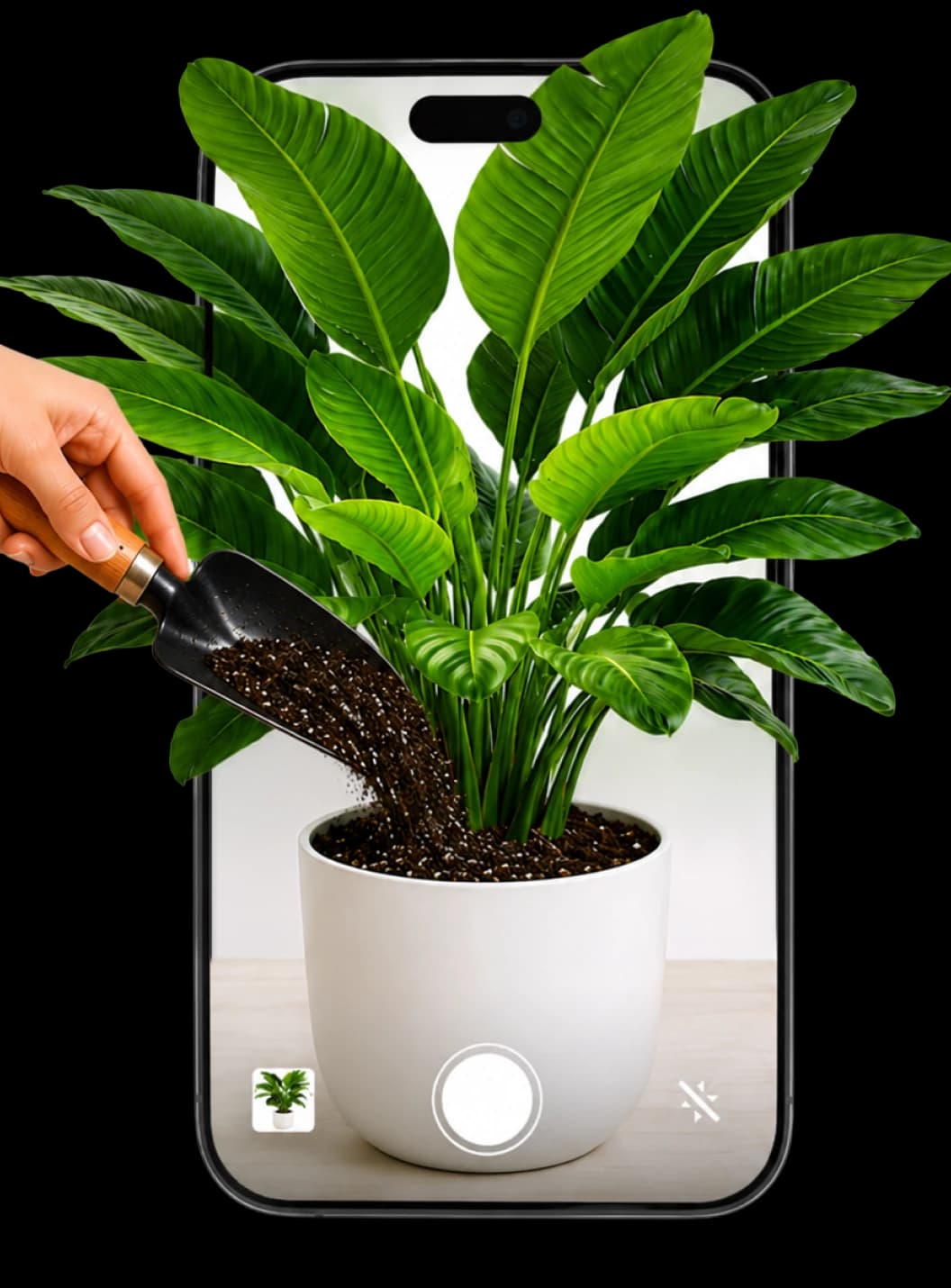
A quick photo check can help show whether soil may be part of the problem and what to review next.

Botan app helping with soil and plant care
How to Increase Humidity for Plants – 8 Simple Ways That Work

8 min read · 14 Aug 2026

How to Increase Humidity for Plants – 8 Simple Ways That Work

Dry indoor air stresses a lot of houseplants. You usually notice it first in the browning leaf tips. This guide describes 8 simple ways to raise the moisture around your plants, from humidifiers to pebble trays.

Plant Care
How to Increase Humidity for Plants – 8 Simple Ways That Work
How to Repot a Plant: A Step-by-Step Guide

7 min read · 28 May 2026

How to Repot a Plant: A Step-by-Step Guide

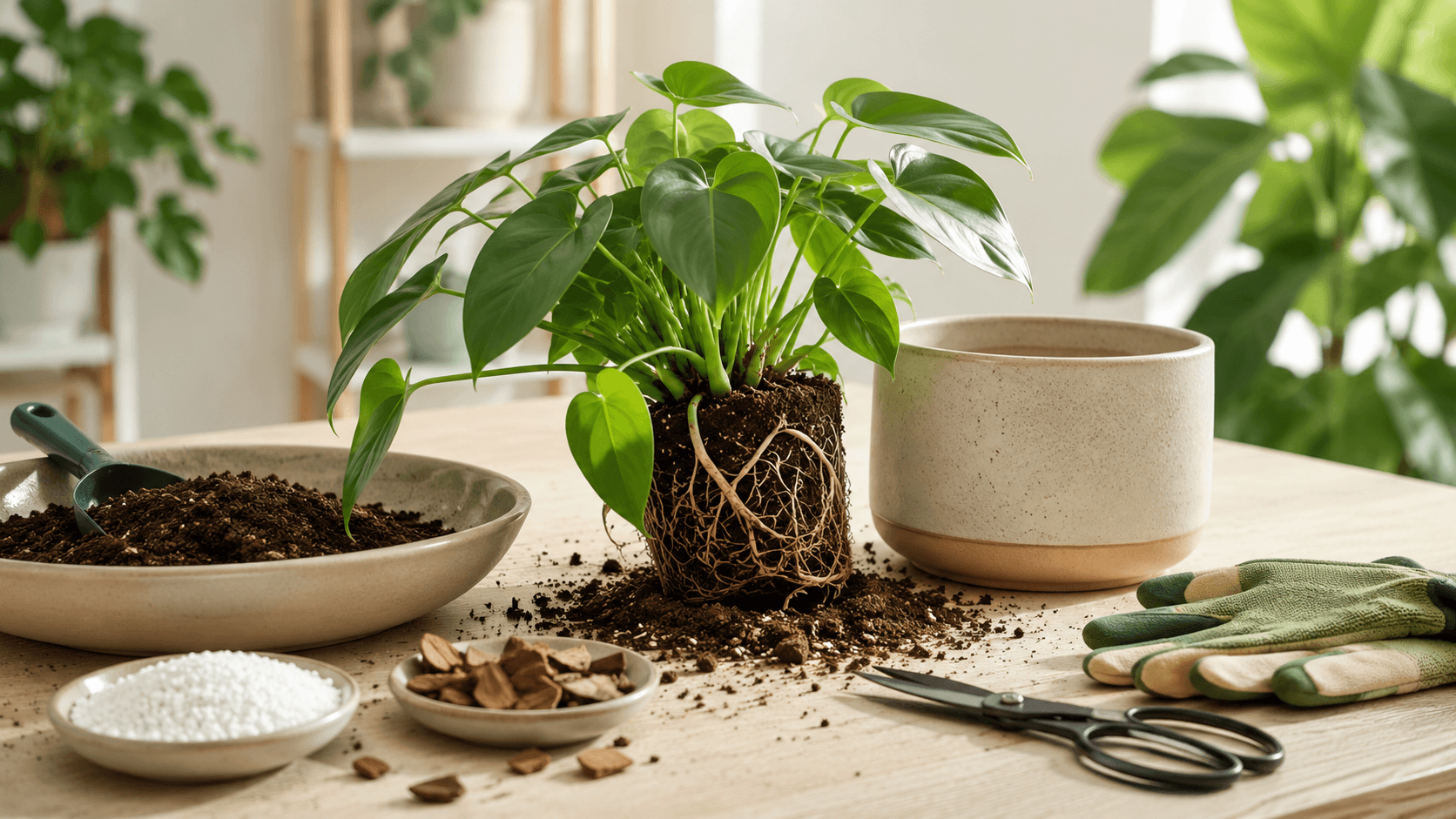
In spring, many plants need repotting—an essential part of care. To avoid stress, consider the plant’s type and size. This article offers a step-by-step guide for repotting indoors or outdoors and shows how to check plant health and get care tips using the Botan app.

Plant Care
How to Repot a Plant: A Step-by-Step Guide
How to Mist Plants – Proper Technique and Common Mistakes

7 min read · 30 Jul 2026

How to Mist Plants – Proper Technique and Common Mistakes

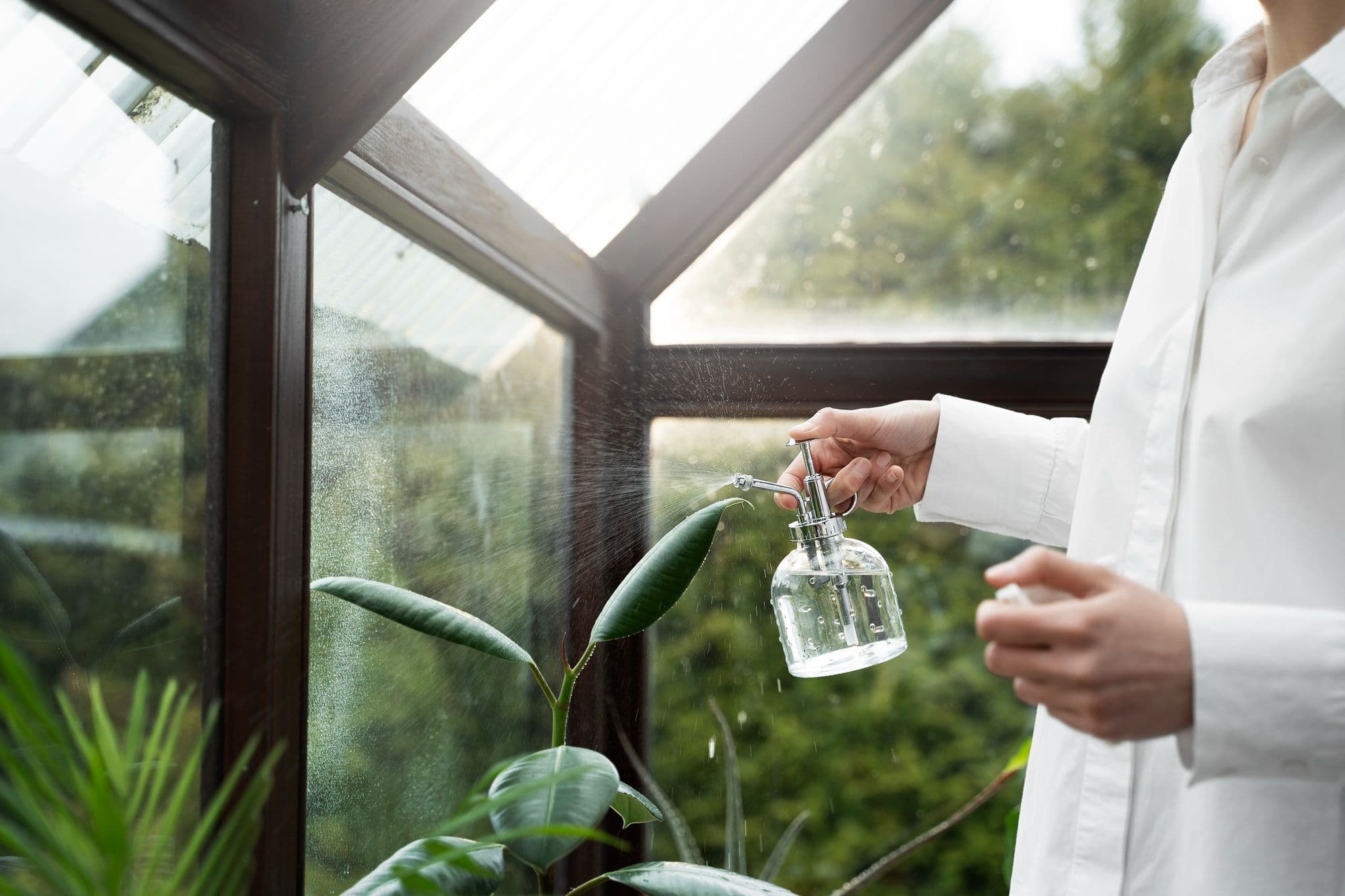
Find out when misting works well and when to avoid it. Here, you’ll find detailed information about compatible and incompatible species, tips on how often to mist plants and do it correctly, and some great alternatives for raising humidity.

Beginner Guides
How to Mist Plants – Proper Technique and Common Mistakes