Shallow, Fibrous Roots
The fine, shallow roots dry out faster than deeper-rooted trees, which is why Acer palmatum in cultivation reacts quickly to soil moisture swings and benefits from consistently moist, but not waterlogged, soil.

This page explains when, how often, and how much to water Acer palmatum for practical, consistent care.

Water Requirements
Moderate Water
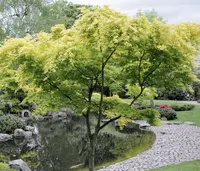
This guide to watering Japanese maple introduces the moisture balance that keeps these trees healthy in most gardens. Acer palmatum comes from regions with seasonal rainfall, so soil usually stays slightly moist rather than saturated or dry.
In general, aim for steady, gentle moisture that supports gradual growth without extremes. Outdoor trees rely more on natural rainfall, while container plants need more attentive, supplemental watering to avoid quick drying.
Allow the top 1–2 inches (3–5 cm) of soil to dry before watering again. Established Japanese maple trees in the ground typically need deep watering about once a week in mild weather, shifting to less often in cool, rainy periods and more often during hot, dry spells.
Water Japanese maple when the top 2-3 inches of soil feel dry, using slow, deep watering focused on the root zone.
Incorrect moisture levels can stress Acer palmatum and trigger avoidable growth and foliage problems.
Crisp brown margins develop when shallow, infrequent watering leaves roots exposed to heat and dryness.
Tender shoots droop during warm periods when roots lack consistent moisture in the upper soil layer.
Older foliage turns pale and drops when soil stays slightly too wet, limiting root oxygen uptake.
Soggy, sour-smelling soil and dieback appear when drainage is poor and watering is excessive.
Maintain evenly moist, well-drained soil with deeper, less frequent watering adjusted to seasonal weather.
Unsuitable watering habits can stress Acer palmatum, weakening growth and leaves, especially in containers or exposed, windy garden spots.
Aim for consistently moist, freely draining soil, adjusting watering to weather, container size, and how quickly the mix dries.
Watering Advice
Learn when to water your plant and avoid common watering mistakes.
Use Botan for a clear watering guide and simple care steps for Japanese maple, plus gentle photo-based checkups that help notice leaf spots, stress, or other early issues.
The fine, shallow roots dry out faster than deeper-rooted trees, which is why Acer palmatum in cultivation reacts quickly to soil moisture swings and benefits from consistently moist, but not waterlogged, soil.
In the wild, Acer palmatum typically grows in humid, temperate woodlands of Japan, Korea, and China, where it receives regular rainfall and root-zone moisture, making it less tolerant of prolonged drought than many other ornamental trees.
Clean tap water that is low to moderate in dissolved salts works well. If tap water is very hard or treated with lots of additives, use filtered or rainwater to reduce stress on roots over time.
Let Botan review your watering habits and suggest balanced adjustments when needed.
11 min read · 29 Jul 2026
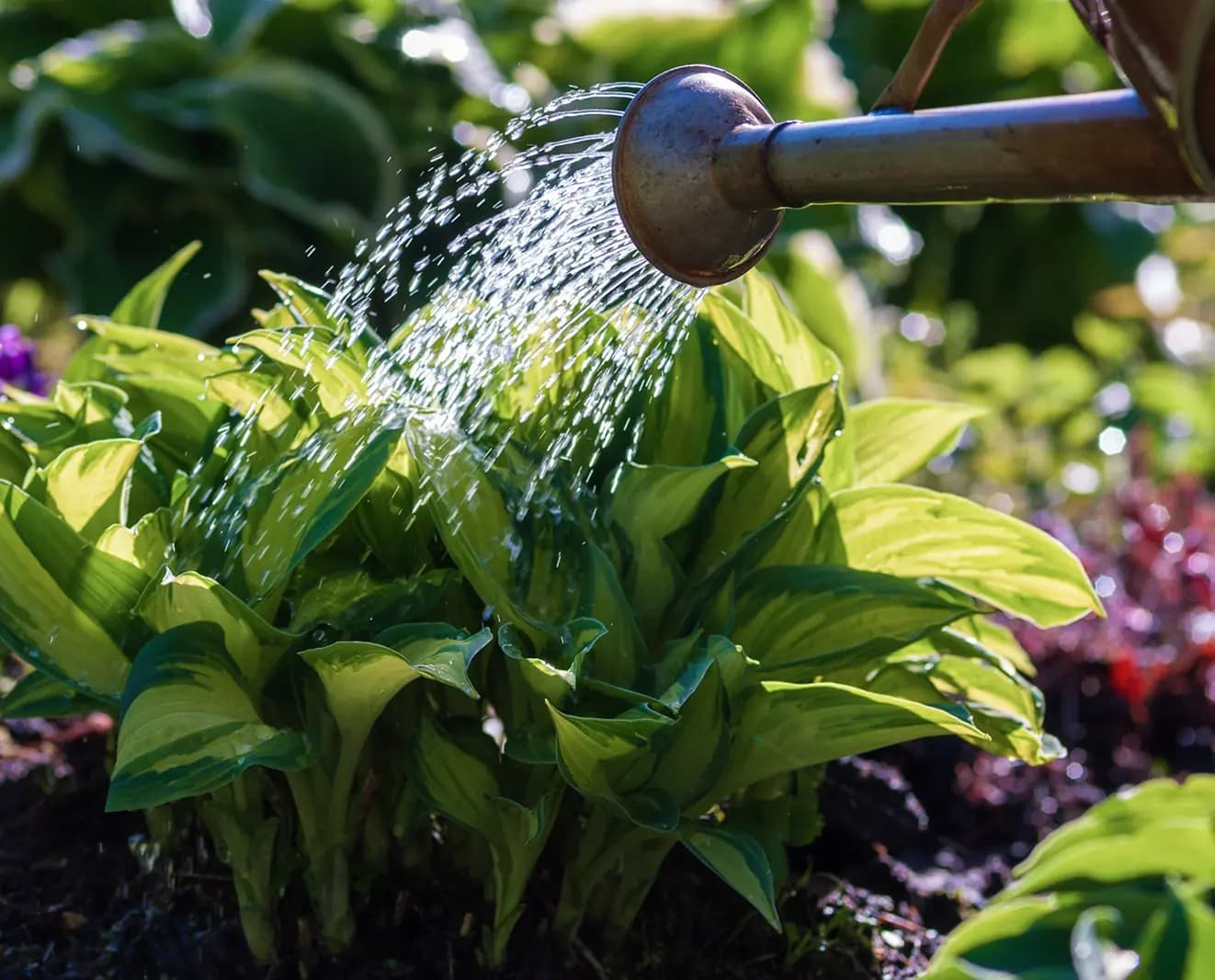
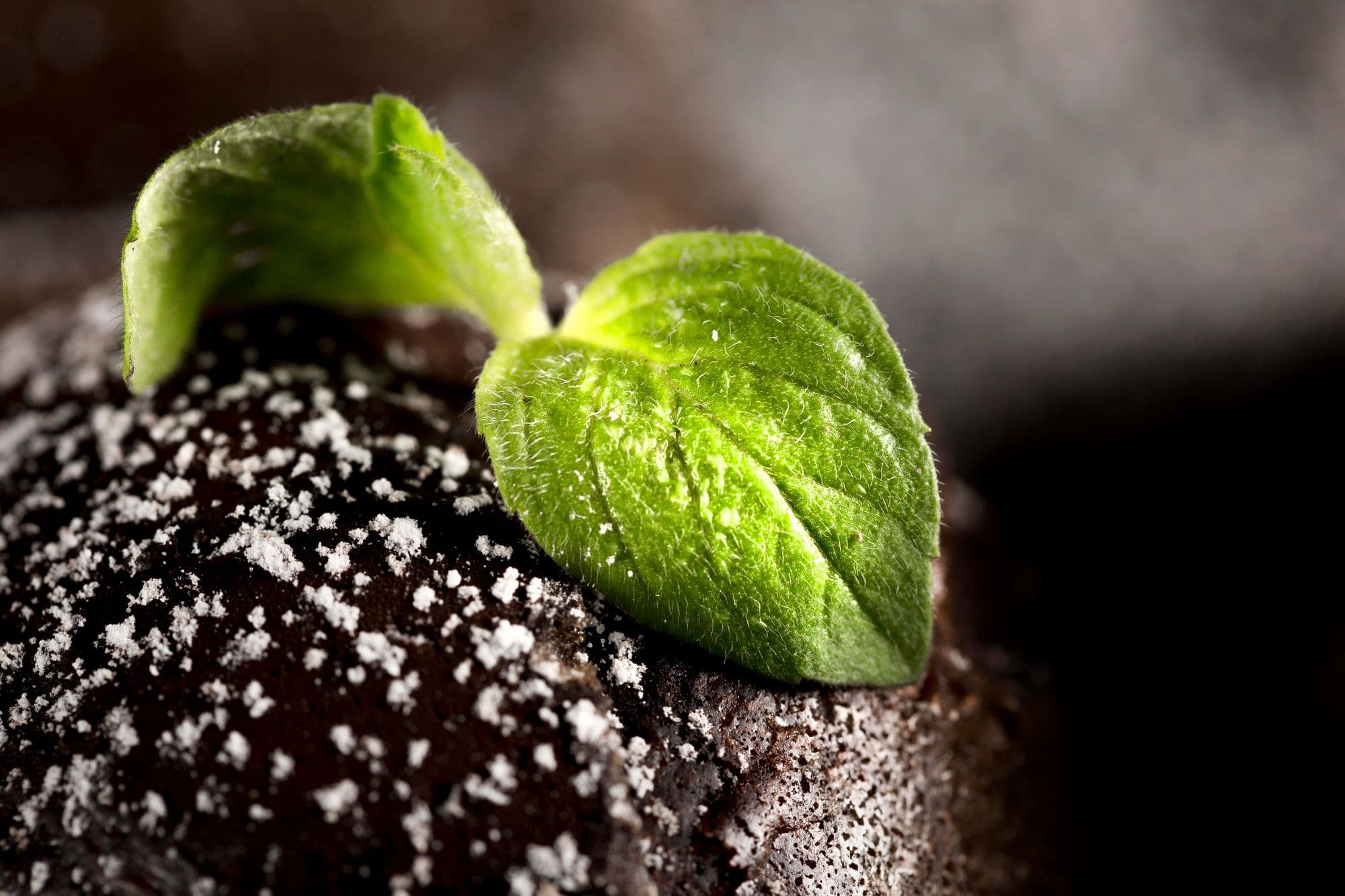
Learn which plants can be seriously damaged by Epsom salt and which will thrive on it. We’ll explain when and how to use it properly, provide tips for indoor & outdoor plants — read on and enjoy a healthy garden.
13 min read · 28 Jul 2026
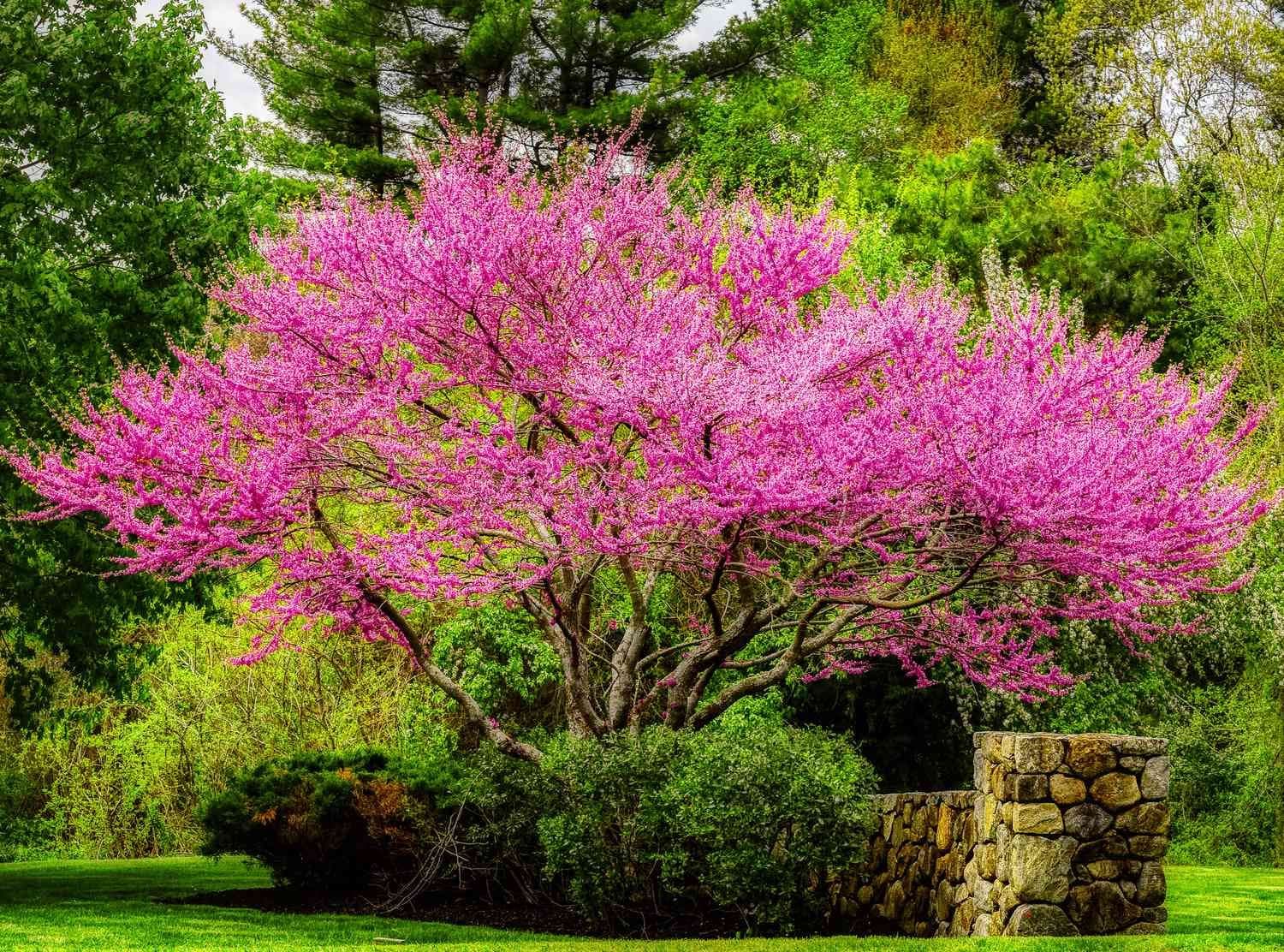
Learn which of the 15 fastest-growing trees will suit your area. We’ll share detailed information on each: growth rate, mature spread, key tree demands, and main vulnerabilities. Read on and make the best choice possible.
11 min read · 20 Jul 2026
Here, you’ll find the right fertilizer formula for vegetables in your garden. Learn how to adjust feeding correctly throughout the growing cycle, spot nutrient deficiencies by their symptoms, and keep your plants healthy and prolific.