Pygmy Date Palm (Phoenix roebelenii) Watering Guide

This page explains when, how often, and how much to water a Pygmy Date Palm in straightforward terms.

Water Requirements

Moderate Water

Phoenix roebelenii Watering

Native to river valleys in Southeast Asia, this palm experiences warm conditions with regular moisture and brief drier spells. Phoenix roebelenii prefers slightly moist soil that never stays soggy, so watering Pygmy Date Palm is about balance.

Indoor plants usually need gentler, more frequent checks than those grown in open ground, which experience natural rainfall. This section outlines how to water Pygmy Date Palm in a simple framework before moving into more detailed guidance.

Let the top 1–2 inches (3–5 cm) of soil dry out before watering again; the pot should feel noticeably lighter. Indoors, this typically means watering about once a week in bright, warm conditions, and less often in winter or lower light for Phoenix roebelenii.

Water Pygmy Date Palm when the top 1-2 inches (3-5 cm) of soil feel dry, applying slow, deep moisture.

  • Pour room-temperature water directly onto the soil around the base, avoiding the crown and leaves to prevent trapped moisture.
  • Water slowly in a circular pattern over the root zone until excess begins draining from the container’s bottom holes.
  • Pause briefly, then add a bit more water to ensure the entire root ball is evenly moistened, not just the surface.
  • Empty saucers or decorative cachepots within 10–15 minutes so the container never remains standing in collected runoff water.

Incorrect moisture levels often stress Phoenix roebelenii, weakening growth and inviting additional problems.

Yellowing Lower Fronds:

Older leaves turn uniformly yellow from chronic overwatering, often combined with dense or poorly draining soil.

Brown Leaf Tips:

Dry, brown tips usually reflect underwatering or frequent drought cycles in a fast-draining mix.

Soggy, Sour-Smelling Soil:

Persistently wet, foul-smelling potting mix signals waterlogged roots requiring improved drainage and reduced frequency.

Wilting Despite Moist Soil:

Fronds droop while soil feels wet, suggesting root damage from extended saturation or compaction.

Keep the root zone evenly moist but never saturated, adjusting frequency to pot size and drainage.

Poor watering habits can slowly weaken Phoenix roebelenii, reducing vigor and resilience even when light and temperature seem correct.

  • Following a fixed schedule: Watering by calendar instead of checking how fast the mix dries can keep roots wet too long or let them dry excessively; always test soil moisture first.
  • Using dense, heavy soil: Planting in soil without enough perlite or sand traps water around roots; choose a loose, fast-draining palm or cactus-style mix instead.
  • Letting runoff sit in saucers: Leaving drained water under the pot keeps the root zone saturated; empty saucers within a few minutes after watering.

Aim for deep, occasional watering into a fast-draining mix, guided by soil dryness and container drainage rather than fixed routines.

  • Spring: Growth usually picks up, so monitor moisture more closely and water when the top layer dries, especially for indoor containers.
  • Summer: In hot, dry climates, containers may need more frequent watering, while in humid regions or shaded sites needs change very little.
  • Fall: As temperatures ease and growth slows, let the soil dry a bit deeper between waterings, particularly for outdoor specimens.
  • Winter: With slower growth, reduce frequency and avoid waterlogged soil, especially for plants kept in cooler rooms or outdoor pots.

Not Sure When to Water? Botan Knows

Use Botan to get a clear watering guide and simple care steps for your Pygmy Date Palm, plus photo-based checkups that can flag early signs of stress or other issues.

Botan plant care app — identify plants on mobile

Interesting Watering Facts

Riverbank flood tolerance

In its native Southeast Asian habitat, Phoenix roebelenii often grows on riverbanks and seasonally flooded lowlands, so it tolerates short periods of high moisture around the roots better than many desert palms, as long as the soil is still aerated and not compacted.


Moisture-loving juvenile stage

Young Phoenix roebelenii naturally establish in consistently moist silt and sand near streams, which is why juvenile plants respond well to slightly more frequent watering than mature specimens, provided excess water can drain freely.

Rooting in fine sediments

This species frequently anchors in fine alluvial sediments along waterways, where water moves through the soil profile. That habitat preference explains its dislike of heavy, stagnant, waterlogged potting mixes compared with loose, well-drained but evenly moist substrates.

FAQ

Yes. Water slowly until excess runs from the drainage holes, then empty the saucer. This fully moistens the root ball while preventing salts from building up, and supports a consistent Phoenix roebelenii watering routine.

More Plant Watering Guides

Is Your Watering Routine Hurting Your Pygmy Date Palm?

Botan helps you review watering patterns so moisture stays in a healthy range.

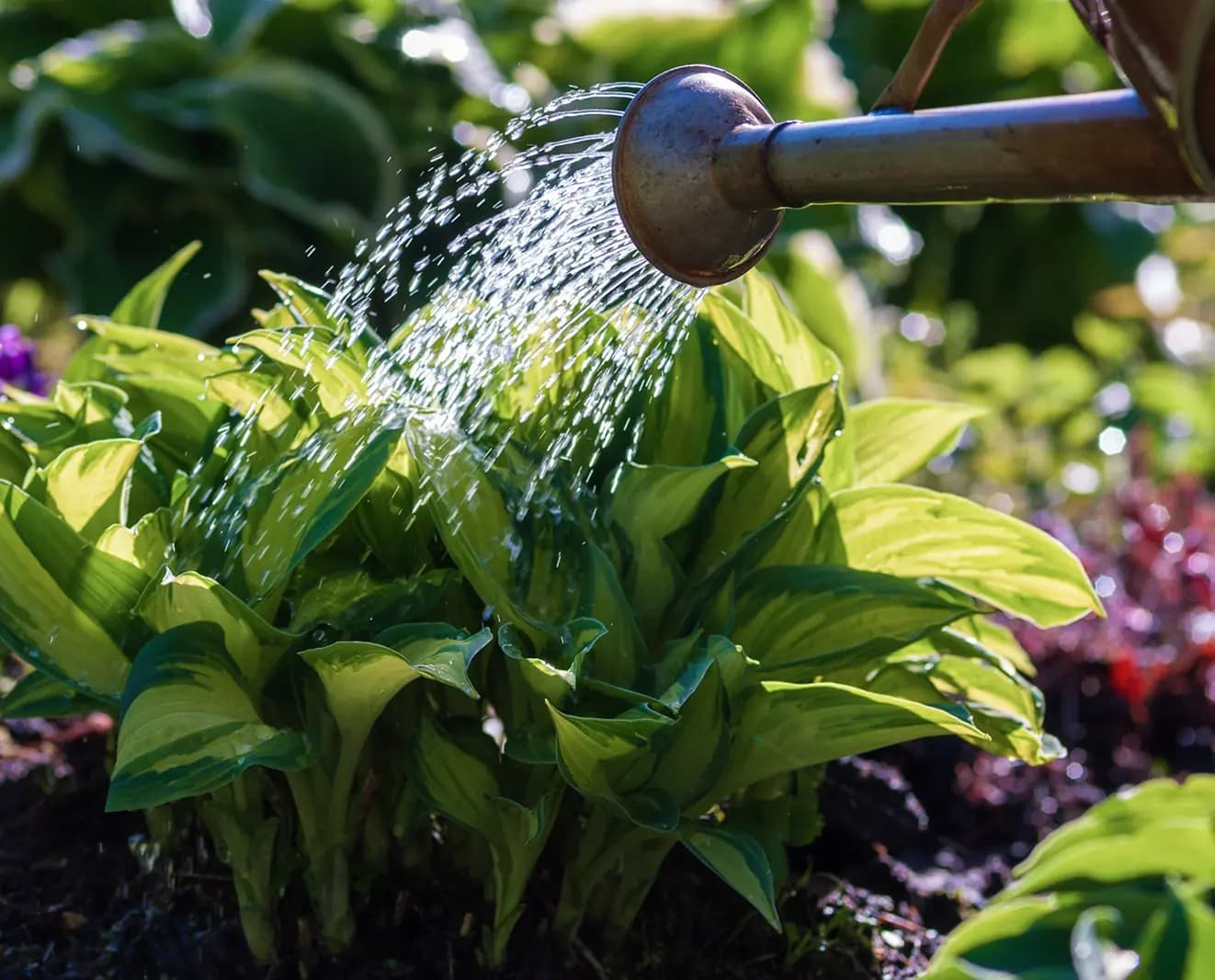
Watering a plant with a copper watering can
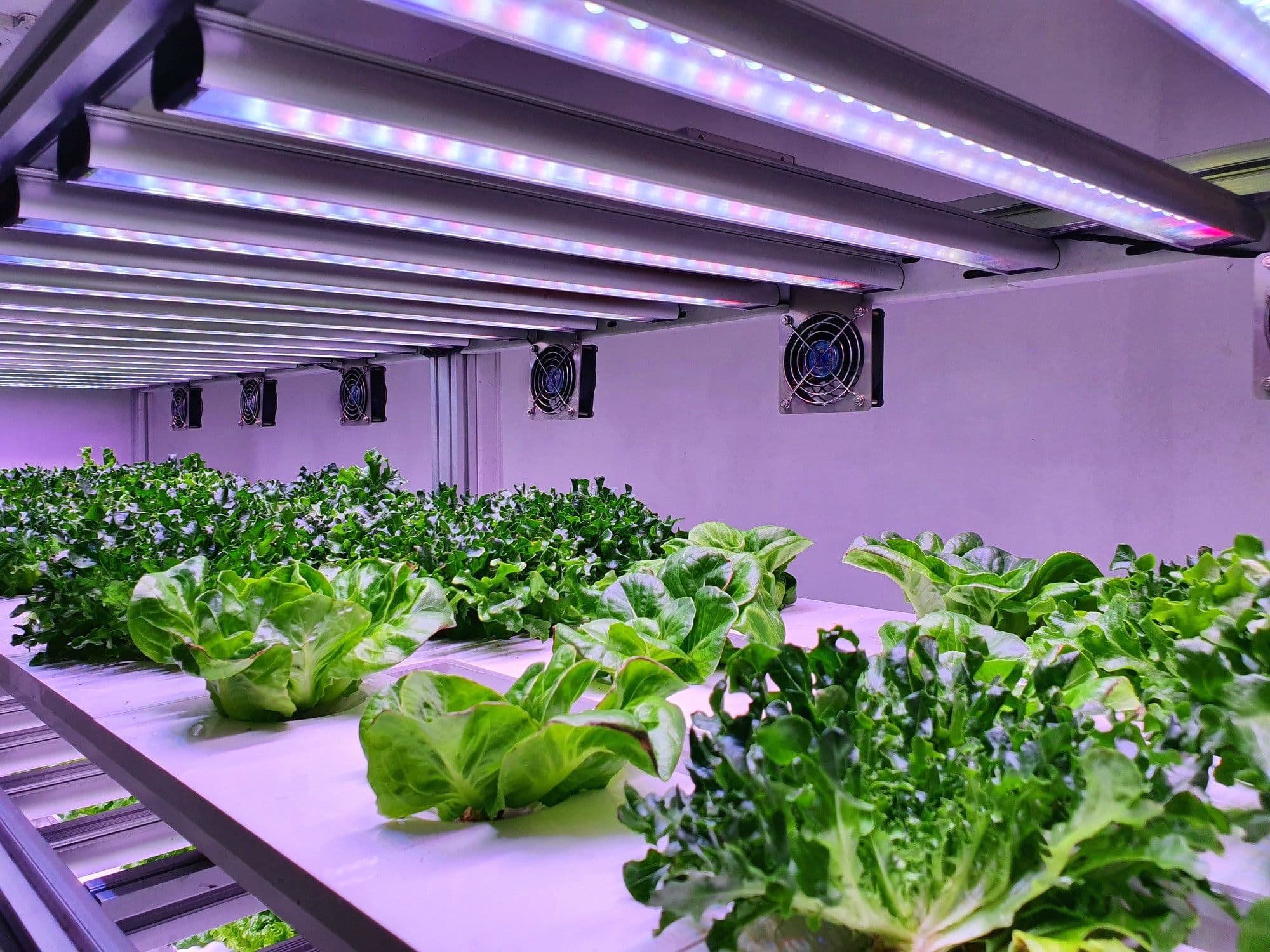
Can Plants Grow With Artificial Light?

6 min read · 15 Sept 2026

Can Plants Grow With Artificial Light?

Plants can grow under artificial light when the setup provides a suitable spectrum, enough intensity, and sufficient daily exposure. This guide explains how artificial lighting compares with sunlight, which options work indoors, and how to match a setup to houseplants.

Plant Care
Can Plants Grow With Artificial Light?
Planting Grass Seed in Summer – What Works and What Fails

7 min read · 6 Aug 2026

Planting Grass Seed in Summer – What Works and What Fails

Summer seeding succeeds when the grass type suits the season, and the soil stays moist. Find out how to prepare the seedbed and choose a safe window for planting.

Plant Care
Planting Grass Seed in Summer – What Works and What Fails
Best Fertilizer for Vegetable Gardens – What to Use for Each Plant

11 min read · 20 Jul 2026

Best Fertilizer for Vegetable Gardens – What to Use for Each Plant

Here, you’ll find the right fertilizer formula for vegetables in your garden. Learn how to adjust feeding correctly throughout the growing cycle, spot nutrient deficiencies by their symptoms, and keep your plants healthy and prolific.

Plant Recommendations
Best Fertilizer for Vegetable Gardens – What to Use for Each Plant