


Anthurium clarinervium Watering Guide

This page explains when, how often, and how much to water Anthurium clarinervium in straightforward, practical terms.

Water Requirements

Moderate Water

Anthurium clarinervium Watering

Native to humid Mexican forests, Anthurium clarinervium is adapted to moisture in the air, not constantly wet soil. Indoors, it generally prefers lightly moist, evenly hydrated potting mix that never becomes soggy or bone dry.

For watering Anthurium clarinervium, think gentle consistency rather than strict routines or extremes. Most indoor growers aim for a rhythm where the top portion of the mix loses some moisture before the next drink, giving roots access to air as well as water.

Water when the top 1–2 inches (3–5 cm) of soil feel dry and the pot feels noticeably lighter. Anthurium clarinervium typically needs water every 7–10 days indoors, but bright light or warm summer temperatures can shorten this interval, while lower light or cooler seasons usually extend it.

Water Anthurium clarinervium when the top 1-2 inches (3-5 cm) of soil feel dry, aiming for even, gentle saturation.

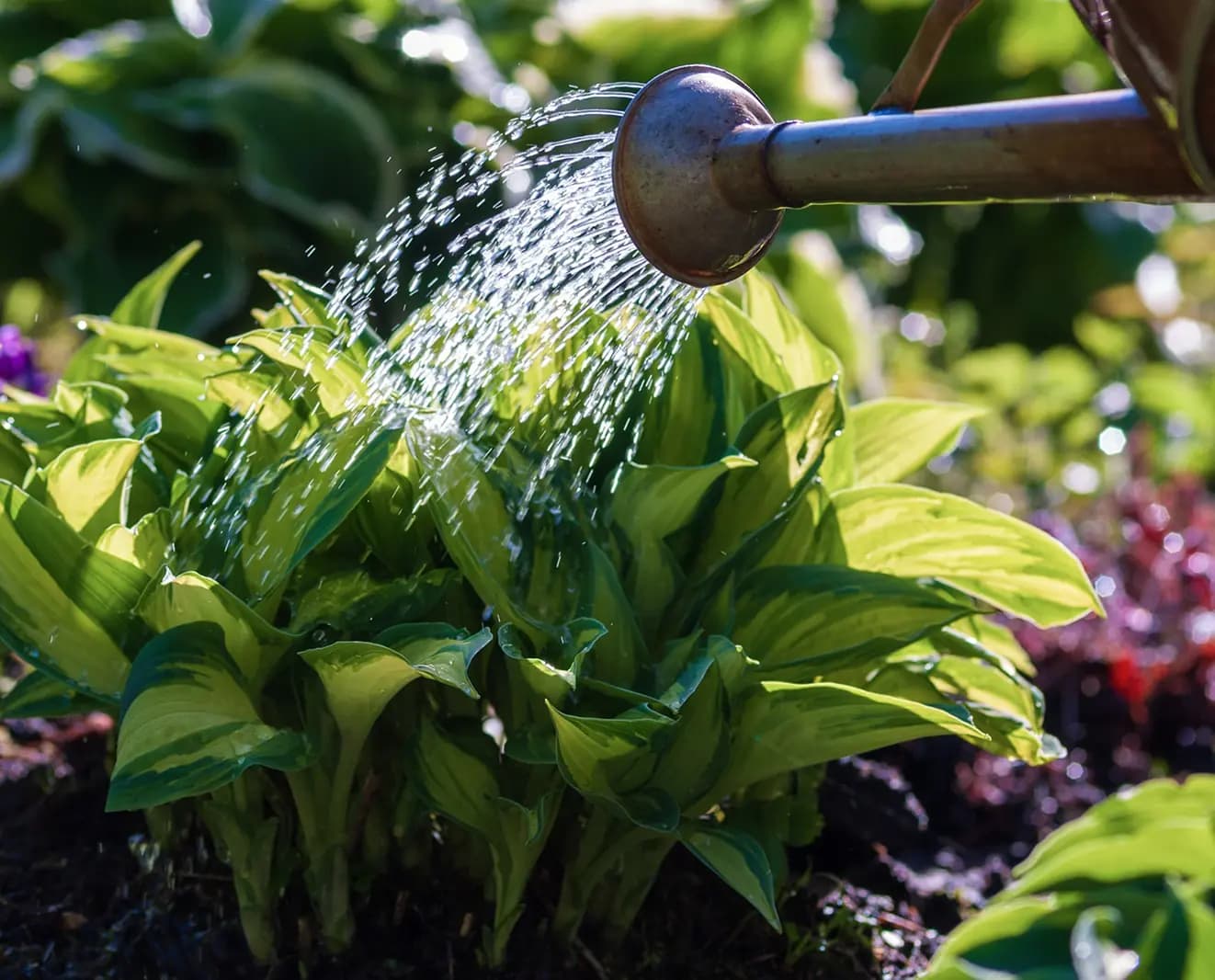
  • Pour room-temperature water slowly over the soil surface, circling the pot so moisture spreads evenly through the mix.
  • Continue watering until liquid drains from the bottom holes, ensuring the entire root zone is reached without flooding quickly.
  • Let the pot drain fully, then empty saucers or cachepots so the container does not sit in standing water.
  • Keep water directed at the soil only, leaving leaves and the crown area dry to maintain a healthier growing environment.

Incorrect moisture around Anthurium clarinervium roots often leads to noticeable stress and decline.

Yellowing Lower Leaves:

Older leaves gradually yellow and soften when roots sit in chronically waterlogged, poorly drained potting mix.

Crisp Brown Leaf Edges:

Leaf margins dry, curl, and brown when watering is infrequent or humidity remains persistently low.

Mushy Roots And Stems:

Roots feel soft, dark, and foul-smelling after prolonged saturation from heavy soils or clogged pots.

Wilting Despite Moist Soil:

Foliage droops even in damp mix when damaged roots cannot absorb available water effectively.

Slow, Stunted Growth:

New leaves emerge smaller and less frequent when watering is inconsistent or soil cycles between extremes.

Keep roots in lightly moist, airy mix, avoiding both prolonged saturation and complete drying cycles.

Poor watering habits quickly damage Anthurium clarinervium because its thick roots need both steady moisture and plenty of air.

  • Watering by calendar: Using a fixed schedule ignores changing light and temperature; instead, water only when the top inch feels dry to the touch.
  • Dense, moisture-heavy soil: Keeping the plant in regular potting soil stays wet too long; use a chunky aroid mix that drains fast yet holds light moisture.
  • Letting runoff sit: Leaving water in the saucer suffocates roots; discard excess after a few minutes so the root zone can re-oxygenate.

Safer watering for this species means checking the potting mix, using airy soil, and letting excess moisture drain away freely.

  • Spring: Growth gradually increases, so check soil a bit more often and water when the top layer dries, avoiding constant moisture.
  • Summer: In warm, bright conditions and active growth, water more frequently but let the upper soil dry to prevent soggy roots.
  • Fall: As growth slows, extend the interval between waterings and confirm the top half of the mix is dry before watering.
  • Winter: With cooler temperatures and slower metabolism, water sparingly, keeping soil just lightly moist and avoiding cold water or waterlogged mix.

Your Anthurium clarinervium Care Companion

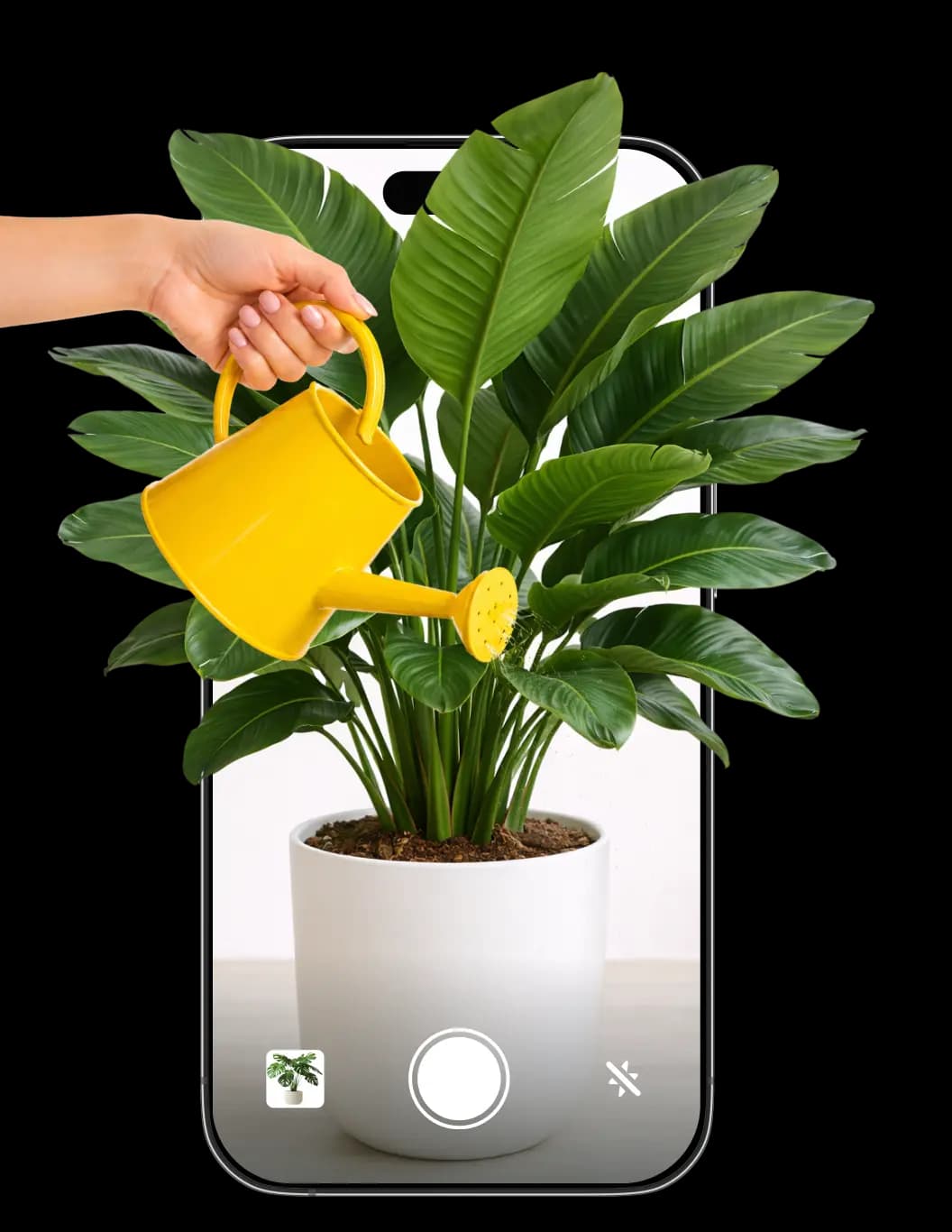
Use Botan to get a tailored watering guide and simple care steps for Anthurium clarinervium, plus gentle photo-based checks that help notice leaf or root issues early.

Botan plant care app — identify plants on mobile

FAQ

Use touch rather than a schedule. Water when the top 1–2 inches of mix feel dry, then soak thoroughly and drain. In bright, warm rooms this may be every 7–10 days, less often in winter.

Everything About Anthurium clarinervium

More Plant Watering Guides

Is Watering the Reason Your Plant Struggles?

Botan reviews your watering pattern and highlights when adjustments could support healthier moisture balance.

Watering a plant with a copper watering can
How to Water Houseplants: Watering Guide

7 min read · 24 Aug 2026

How to Water Houseplants: Watering Guide

Learn how often to water indoor plants, key factors for proper watering, and how to adjust the care routine by plant type, season, pot size, light, and indoor conditions.

Plant Care
How to Water Houseplants: Watering Guide
What Plants Don't Like Epsom Salt?

11 min read · 29 Jul 2026

What Plants Don't Like Epsom Salt?

Learn which plants can be seriously damaged by Epsom salt and which will thrive on it. We’ll explain when and how to use it properly, provide tips for indoor & outdoor plants — read on and enjoy a healthy garden.

Plant Care
What Plants Don't Like Epsom Salt?
How to Repot a Plant: A Step-by-Step Guide

7 min read · 28 May 2026

How to Repot a Plant: A Step-by-Step Guide

In spring, many plants need repotting—an essential part of care. To avoid stress, consider the plant’s type and size. This article offers a step-by-step guide for repotting indoors or outdoors and shows how to check plant health and get care tips using the Botan app.

Plant Care
How to Repot a Plant: A Step-by-Step Guide