


Best Soil for Anthurium clarinervium

A loose, organic, well-drained mix helps Anthurium clarinervium maintain healthier roots and steadier growth.

Soil Texture

Loamy, Peaty, Organic-rich

Soil pH

Acidic (5.5–6.5)

Soil Drainage

Moist but well-drained

Anthurium clarinervium Soil Guide

Native to southern Mexico, Anthurium clarinervium comes from warm tropical forest conditions where roots get steady moisture, airflow, and plenty of decaying organic matter. That background explains why it prefers a loose, organic-rich substrate that stays lightly moist without becoming dense or stagnant.

The best soil for Anthurium clarinervium is airy and moisture-retentive at the same time. Its roots benefit from oxygen around them, so the texture should feel open and crumbly rather than compact. A slightly acidic, loamy to peaty substrate supports steady hydration while still draining well.

A custom mix gives better control over airflow and moisture levels for Anthurium clarinervium. It also helps keep the root zone evenly structured over time.

100% total mix = 20 scoops
10%
compost2 scoops
10%
worm castings2 scoops
20%
perlite or pumice4 scoops
25%
orchid bark5 scoops
35%
peat moss or coco coir7 scoops

The finished blend should feel light, springy, and crumbly, with enough body to stay evenly moist while still draining freely.

Anthurium clarinervium grows best in slightly acidic soil, around 5.5–6.5 pH. In that range, important nutrients stay more available to the roots instead of becoming harder for the plant to absorb.

A mildly acidic mix supports steady growth better than neutral or alkaline soil. Small variation is usually manageable, but a long-term shift outside this range can gradually reduce nutrient uptake.

This species can react poorly when the root zone stays airless or breaks down into a compact mass. Soil may be one factor worth checking when growth slows.

Compacted mix:

Compacted mix: if the surface hardens and water seems slow to pass through, gently loosen only the top layer and consider replacing dense material at the next soil change.

Staying wet too long:

Staying wet too long: a sour smell or heavy mix days after watering can point to low airflow, so improve ventilation around the root zone and review container drainage.

Fast collapse of texture:

Fast collapse of texture: if the mix turns fine and muddy, its structure is breaking down, so refresh part or all of it with a chunkier blend.

Salt buildup:

Salt buildup: a pale crust on the surface of Anthurium clarinervium soil can interfere with root function, so scrape it off and flush the mix thoroughly.

Soil Advice in Seconds

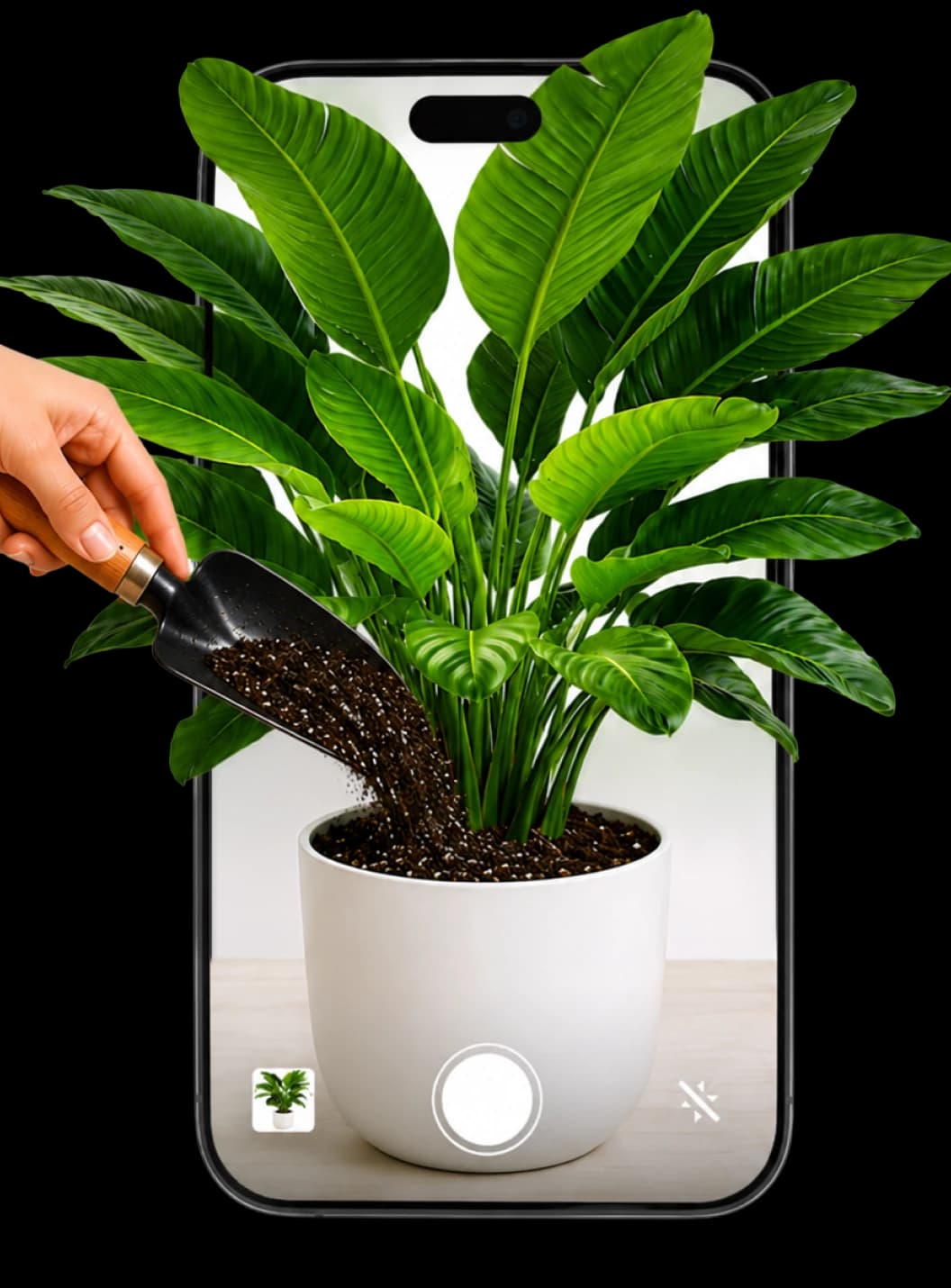
Botan helps match this plant to a more suitable growing medium so soil choices are based on its actual needs, not guesswork.

FAQ

Yes. Drainage holes help excess water leave the container so the root zone keeps better air exchange. Without them, even a loose mix can stay wet too long and lose structure.

Everything About Anthurium clarinervium

More Plant Soil Guides

Check What the Soil Is Doing

If leaves or growth look off, Botan’s photo-based check can help you see whether the growing medium may be part of the issue.

Botan app helping with soil and plant care
How To Revive a Dying Plant: 6 Steps To Bring A Plant Back To Life

6 min read · 1 Sept 2026

How To Revive a Dying Plant: 6 Steps To Bring A Plant Back To Life

Drooping leaves and brown tips don't always mean the end, and a weakened plant can often recover with a little help. These six simple steps will help you revive a dying plant and restore its health.

Plant Care
How To Revive a Dying Plant: 6 Steps To Bring A Plant Back To Life
How Often to Water Fruit Trees

7 min read · 11 Aug 2026

How Often to Water Fruit Trees

Irrigation needs change as roots establish and weather shifts. This guide gives practical starting intervals, explains how soil and tree type change them, and shows how to recognize both excess moisture and drought stress.

Plant Care
How Often to Water Fruit Trees
What Plants Don't Like Epsom Salt?

11 min read · 29 Jul 2026

What Plants Don't Like Epsom Salt?

Learn which plants can be seriously damaged by Epsom salt and which will thrive on it. We’ll explain when and how to use it properly, provide tips for indoor & outdoor plants — read on and enjoy a healthy garden.

Plant Care
What Plants Don't Like Epsom Salt?