







Best Soil for sugarcane (Saccharum officinarum)

For Saccharum officinarum, a loose, moisture-retentive yet draining soil supports strong root growth and steadier overall health.

Soil Texture

Sandy, Loamy, Organic-rich

Soil pH

Acidic (5.5–6.5), Slightly acidic (6.5–7.0)

Soil Drainage

Moist but well-drained

Saccharum officinarum Soil Guide

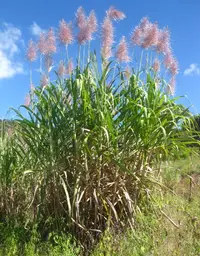
Native to tropical Southeast Asia and New Guinea, Saccharum officinarum developed in warm, humid regions with steady moisture and rich ground. That background explains why sugarcane soil should hold consistent moisture while still draining freely, rather than staying dense or waterlogged.

Its root system spreads through the upper soil and supports tall, fast-growing canes, so the best soil for sugarcane needs both air and moisture around the roots. A sandy or loamy texture with plenty of organic matter gives enough structure, oxygen, and water retention for steady growth.

A homemade mix gives Saccharum officinarum the balance of airflow and moisture retention it needs in containers.

100% total mix = 20 scoops
15%
perlite or pumice3 scoops
20%
coarse sand4 scoops
30%
compost or well-aged organic matter6 scoops
35%
high-quality potting soil7 scoops

The finished blend should feel light, slightly springy, and crumbly, holding some moisture while letting excess water move through without staying soggy.

A good target for sugarcane is slightly acidic to acidic soil, around 5.5–6.8 pH. This range helps key nutrients stay available to the roots, especially iron, manganese, and phosphorus.

Saccharum officinarum can handle a mildly broader range, but growth is usually steadier when pH stays near the middle of that window rather than drifting alkaline.

This species grows fast when root conditions stay balanced, but soil-related setbacks can slow it down noticeably.

Compaction:

Dense soil can restrict root spread and reduce airflow; gently loosen the surface and refresh part of the mix if it has become hard or crusted.

Waterlogging:

A sour smell or persistently heavy container suggests poor oxygen at the roots; first check drainage holes and let excess moisture drain fully.

Dry pockets:

If water runs down the pot edge without soaking in, the mix may have dried unevenly; rewet it slowly and evenly so the root zone absorbs moisture again.

Salt buildup:

White crust on the soil surface may point to accumulated minerals, which can be an issue with Saccharum officinarum; scrape off the top layer and flush with fresh water if needed.

Right Plant. Right Soil.

Botan helps match this plant to a more suitable growing medium so soil choices are based on the species, not guesswork.

FAQ

Yes. Drainage holes help excess water leave the container, which keeps the root zone better aerated and more stable over time in a sugarcane potting mix.

More Plant Soil Guides

Scan for Soil Problems

Use Botan’s photo-based assessment to check whether a visible issue may be linked to soil conditions. It can help narrow down what to inspect next.

Botan app helping with soil and plant care
Is Sugar Water Good for Plants?

4 min read · 14 Sept 2026

Is Sugar Water Good for Plants?

Sugar water may sound like an easy boost, but most rooted plants do not need extra sucrose. This guide explains how green tissues produce carbohydrates, when a sweetened solution can be useful, and why too much can cause problems.

Plant Care
Is Sugar Water Good for Plants?
Plant Pot Sizes: How to Choose the Right Plant Container

7 min read · 20 Aug 2026

Plant Pot Sizes: How to Choose the Right Plant Container

Plant pot sizes can be confusing because the number on the label only tells you part of the required information. A container may look spacious but actually be too shallow. So, how to choose pot size for plant species?

Beginner Guides
Plant Pot Sizes: How to Choose the Right Plant Container
How Often to Water Fruit Trees

7 min read · 11 Aug 2026

How Often to Water Fruit Trees

Irrigation needs change as roots establish and weather shifts. This guide gives practical starting intervals, explains how soil and tree type change them, and shows how to recognize both excess moisture and drought stress.

Plant Care
How Often to Water Fruit Trees