


Best Soil for Parlor Palm (Chamaedorea elegans)

A loose, organic-rich mix helps Chamaedorea elegans maintain healthy roots by balancing gentle moisture retention with steady airflow.

Soil Texture

Loamy, Peaty, Organic-rich

Soil pH

Acidic (5.5–6.5), Slightly acidic (6.5–7.0)

Soil Drainage

Moist but well-drained

Chamaedorea elegans Soil Guide

Native to southern Mexico and Guatemala, Chamaedorea elegans grows as an understory palm in forests, where the ground stays lightly moist and rich in decayed organic matter. That setting explains its preference for soil that holds some moisture without becoming dense or stagnant.

The best soil for Parlor Palm is loose, loamy, and organic-rich, with enough air space for its fine roots to function well. A slightly acidic to near-neutral reaction suits steady nutrient uptake, while good drainage helps keep the root zone evenly moist rather than wet.

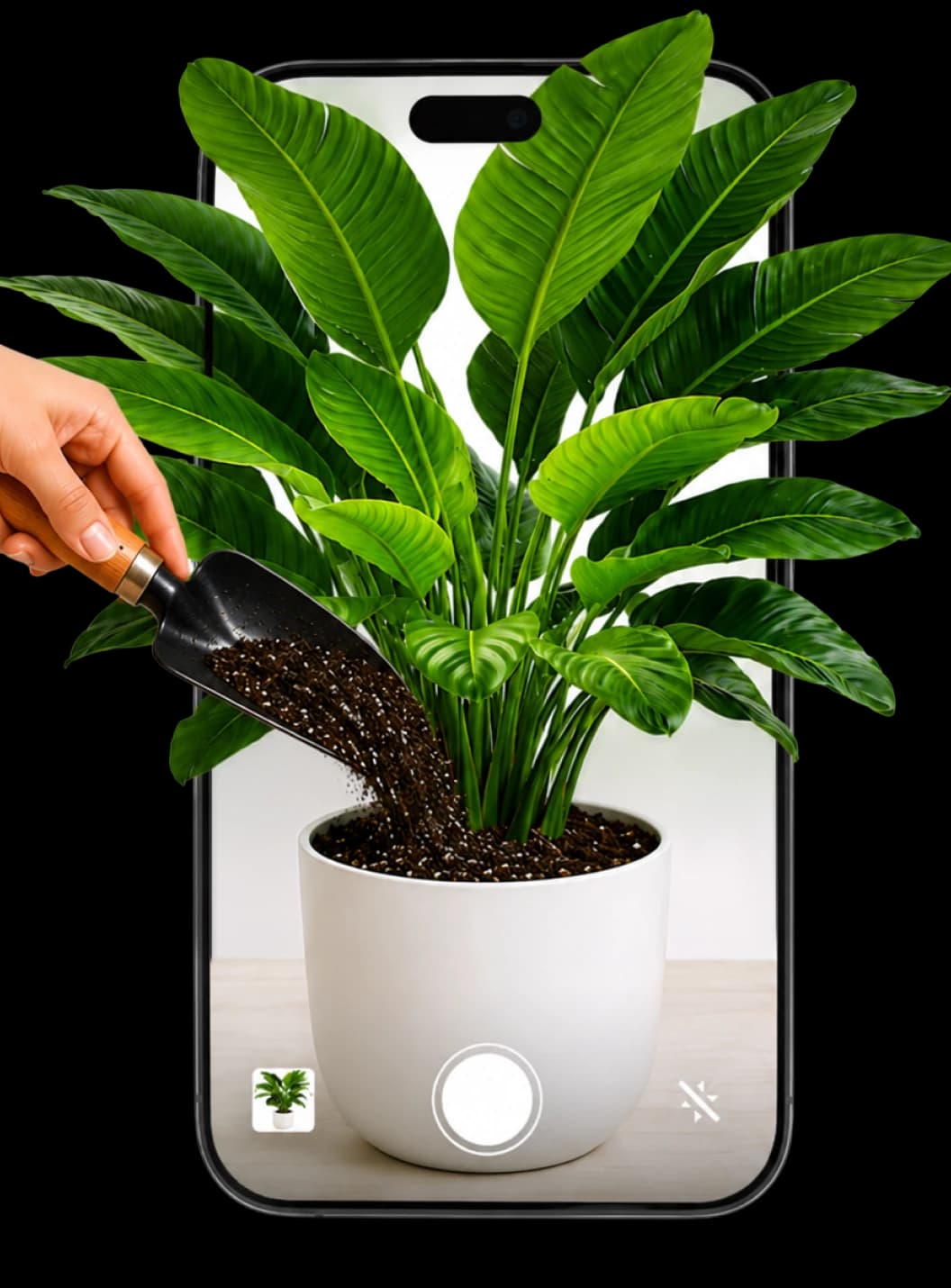
A simple homemade blend can give Chamaedorea elegans the balance of softness and structure it needs in a container.

100% total mix = 20 scoops
10%
fine orchid bark or composted bark2 scoops
20%
perlite or pumice4 scoops
30%
high-quality potting soil6 scoops
40%
peat moss or coco coir8 scoops

The finished mix should feel light, springy, and slightly fluffy, with moisture spreading through it evenly before excess drains away.

This species can be sensitive to stale, compacted root conditions. When soil seems involved, small adjustments are often enough to improve the root environment.

Compaction:

Compaction: If the surface hardens and water lingers unevenly, gently loosen only the top layer and consider replacing dense mix with a fresher one later.

Soggy root zone:

Soggy root zone: A sour smell or soil that stays wet for long periods can point to low oxygen, so pause extra moisture and check drainage paths.

Hydrophobic mix:

Hydrophobic mix: If very dry soil shrinks from the pot edge and resists moisture, re-wet it gradually so the root ball can absorb evenly again.

Salt buildup:

Salt buildup: A crust on the soil surface may come from minerals in water or leftover feed, so remove the crust and flush the mix thoroughly.

Scan for Better Soil

Botan can help identify your plant and guide you toward a soil setup that better matches its root needs and container conditions.

FAQ

Yes. Drainage holes help excess water leave the container, which reduces the risk of stale, oxygen-poor soil around the roots. They also make it easier to keep Parlor Palm soil evenly moist instead of waterlogged.

Everything About Parlor Palm

More Plant Soil Guides

Check What the Soil Is Doing

Use Botan’s photo-based assessment to check whether soil may be part of the issue and narrow down what to look at next.

Botan app helping with soil and plant care
How Long Can Flowers Go Without Water? Everything You Need to Know

6 min read · 10 Jul 2026

How Long Can Flowers Go Without Water? Everything You Need to Know

Flowers can survive without water anywhere from 1-2 hours to several months, depending on the plant type, species, and growing conditions. Some strong-looking flowers are drought-sensitive, while delicate-looking plants may tolerate long dry periods surprisingly well.

Plant Care
How Long Can Flowers Go Without Water? Everything You Need to Know
How to Mist Plants – Proper Technique and Common Mistakes

7 min read · 30 Jul 2026

How to Mist Plants – Proper Technique and Common Mistakes

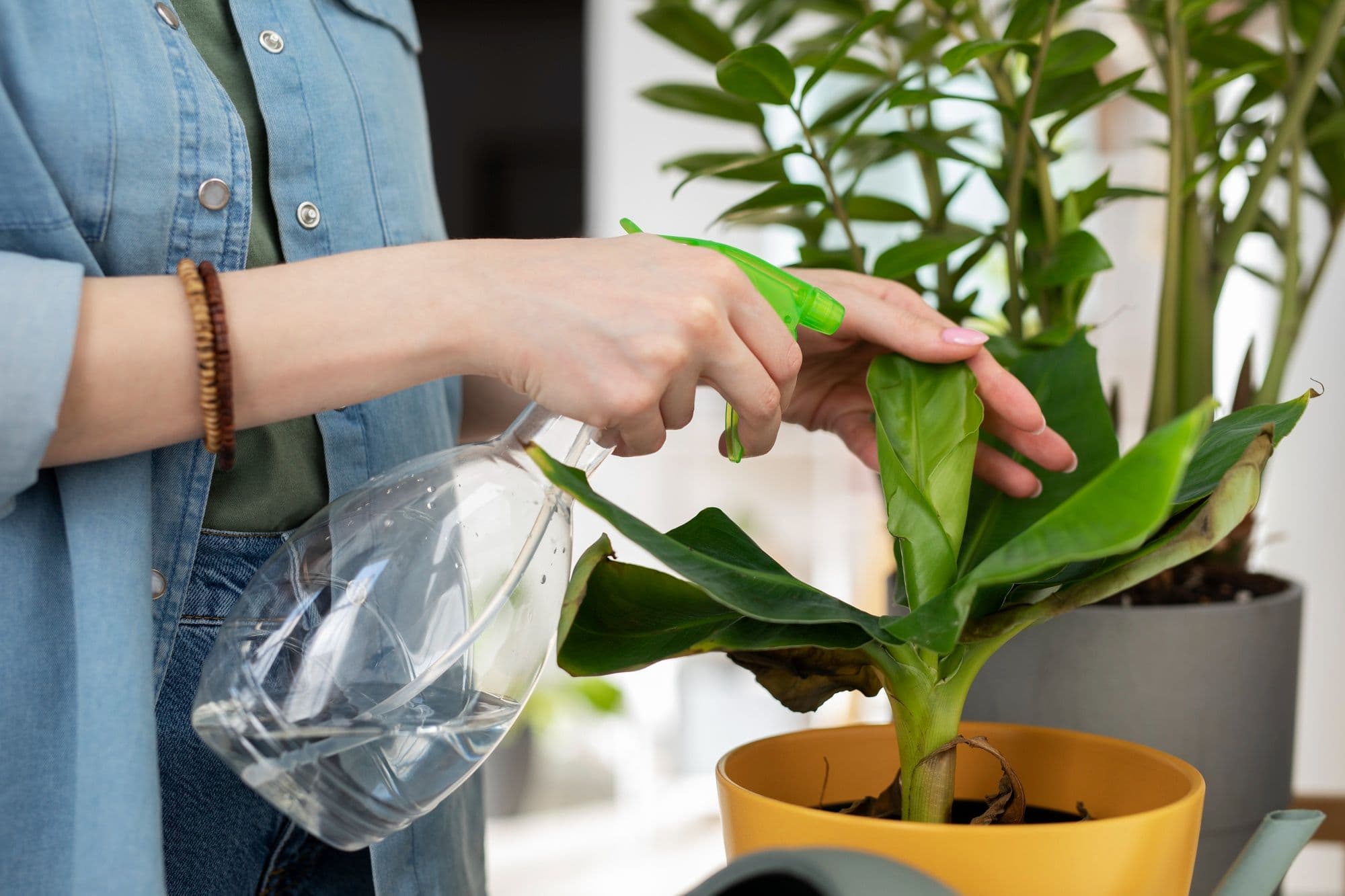
Find out when misting works well and when to avoid it. Here, you’ll find detailed information about compatible and incompatible species, tips on how often to mist plants and do it correctly, and some great alternatives for raising humidity.

Beginner Guides
How to Mist Plants – Proper Technique and Common Mistakes
How To Revive a Dying Plant: 6 Steps To Bring A Plant Back To Life

6 min read · 1 Sept 2026

How To Revive a Dying Plant: 6 Steps To Bring A Plant Back To Life

Drooping leaves and brown tips don't always mean the end, and a weakened plant can often recover with a little help. These six simple steps will help you revive a dying plant and restore its health.

Plant Care
How To Revive a Dying Plant: 6 Steps To Bring A Plant Back To Life