







Best Soil for Bamboo Palm (Chamaedorea seifrizii)

A loose, organic-rich mix helps Chamaedorea seifrizii keep roots healthy by balancing steady moisture with enough air around them.

Soil Texture

Loamy, Peaty, Organic-rich

Soil pH

Acidic (5.5–6.5), Slightly acidic (6.5–7.0)

Soil Drainage

Moist but well-drained

Chamaedorea seifrizii Soil Guide

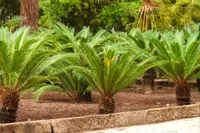
Native to Mexico and Central America, Chamaedorea seifrizii grows in warm, shaded forest conditions where the ground stays lightly moist and rich in decaying plant matter. That background explains why it prefers soil that holds some moisture and nutrients without becoming dense or soggy.

The best soil for Bamboo Palm feels loose, airy, and organic-rich, with a loamy to peaty texture. Its roots are fairly fine, so they benefit from steady moisture, oxygen around the root zone, and reliable drainage that prevents stale, waterlogged conditions.

A simple homemade blend can create the balance this palm needs indoors. For Chamaedorea seifrizii, aim for a mix that stays lightly moist but still feels open.

100% total mix = 20 scoops
10%
fine orchid bark2 scoops
20%
perlite or pumice4 scoops
30%
high-quality potting soil6 scoops
40%
peat moss or coco coir8 scoops

The finished blend should feel light, slightly springy, and crumbly, with water moving through evenly instead of pooling for long.

A good target for this species is about 5.5–7.0 pH, with slightly acidic soil usually working best. That range keeps key nutrients more available to the roots without pushing the mix too far toward acidity or neutrality.

Bamboo Palm is fairly adaptable within that window, but extremes can limit how well the roots take up nutrients over time. If pH stays near the mildly acidic side, the plant generally uses minerals more efficiently.

Most soil-related issues develop gradually, especially when root airflow stays low for too long. Bamboo Palm can be sensitive to stale, compressed root conditions.

Compacted mix:

Dense soil that dries slowly and feels tight in the pot can restrict root oxygen, so loosen the structure by replacing part of the mix rather than pressing it down again.

Soggy lower zone:

If the top seems acceptable but the bottom stays wet for days, trapped moisture may be building up, so check drainage flow and move the plant into a faster-draining medium if needed.

Hydrophobic soil:

Very dry organic mix can shrink and repel water instead of absorbing it evenly, so re-wet it gradually until moisture spreads through the root zone.

Salt buildup:

A crust on the surface or around the rim can point to mineral residue in the mix, so scrape off the top layer and refresh it with clean material.

Right Plant. Right Soil.

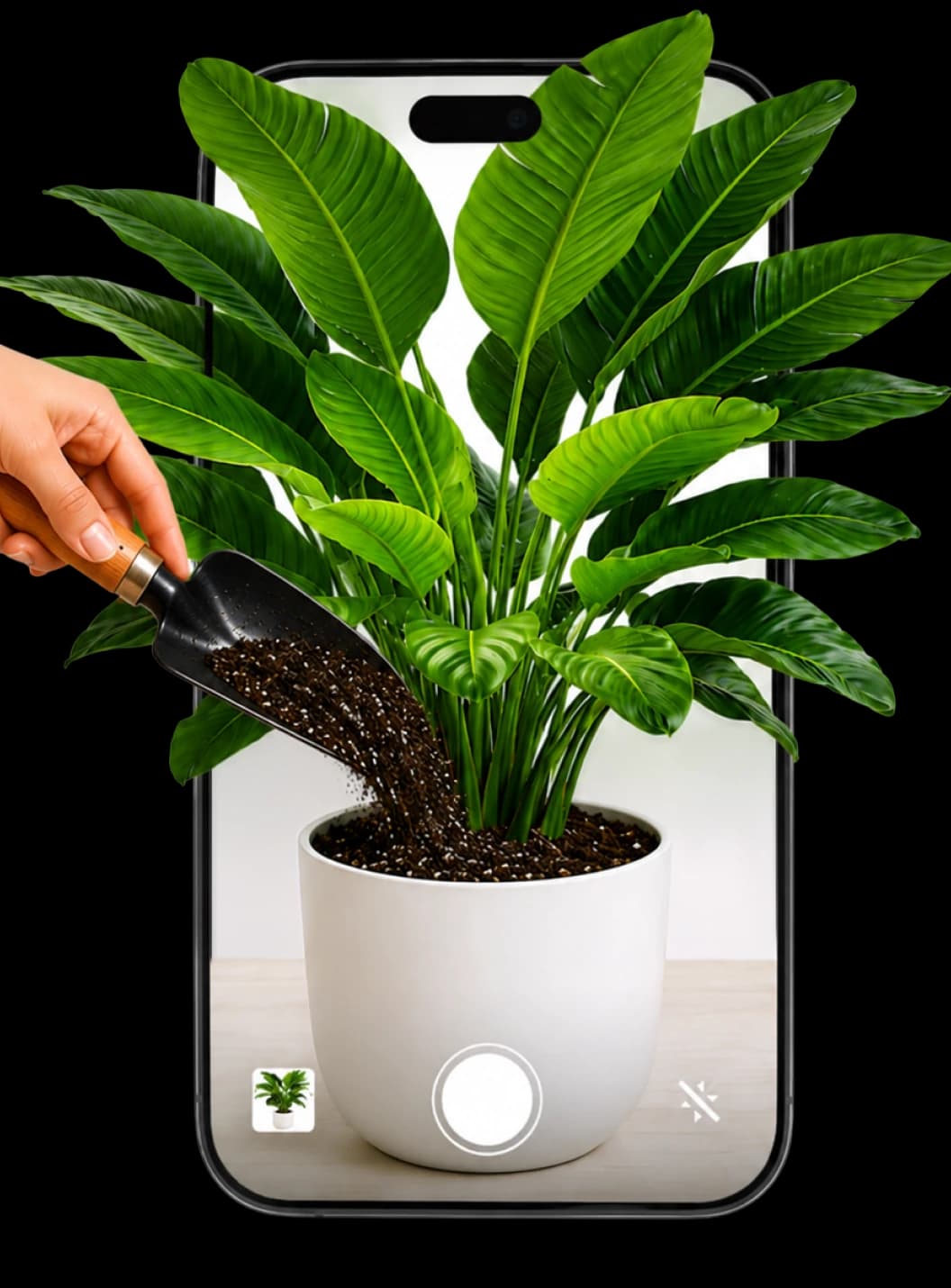
Botan helps match the plant to a more suitable soil setup, so it is easier to choose a mix that supports steadier root health.

FAQ

Yes. Drainage holes help excess water leave the container instead of collecting around the roots. That matters because even the best soil for Bamboo Palm can stay too wet in a closed pot.

Everything About Bamboo Palm

More Plant Soil Guides

Is Your Soil the Problem?

Yellowing, slow growth, or limp foliage can sometimes be linked to the root zone. Botan’s photo-based assessment can help you check whether soil may be part of the issue.

Botan app helping with soil and plant care
Banana Peel Water for Plants: 5 Things to Know Before Trying It

5 min read · 9 Jul 2026

Banana Peel Water for Plants: 5 Things to Know Before Trying It

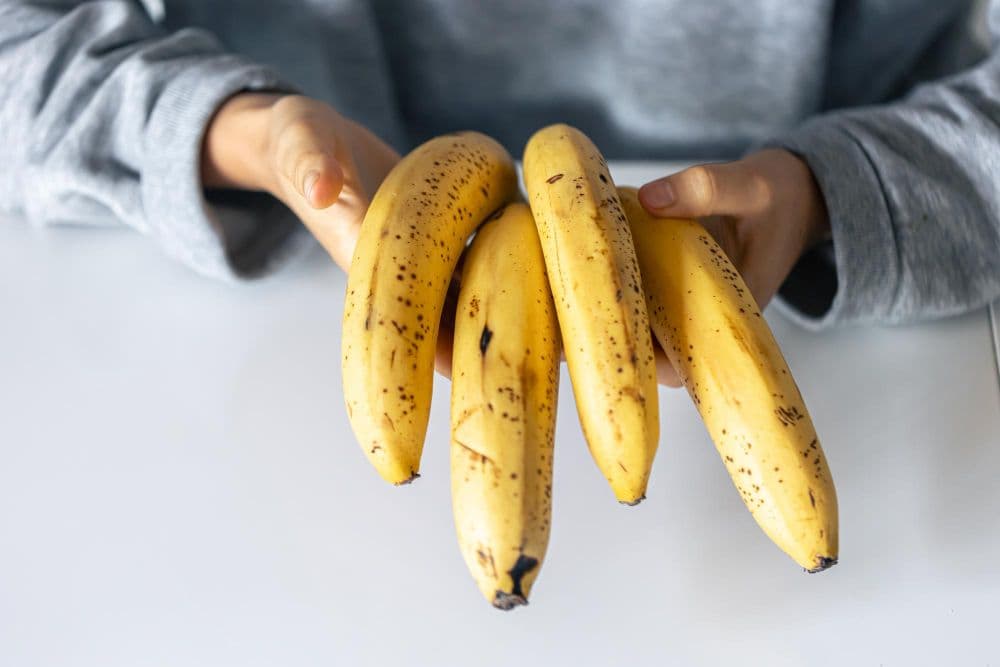
Banana water can provide potassium and some nutrients that may support plant growth, but it is not a universal fix. Use it carefully and only when the plant actually shows signs of nutrient deficiency rather than as a routine treatment.

Plant Care
Banana Peel Water for Plants: 5 Things to Know Before Trying It
How To Revive a Dying Plant: 6 Steps To Bring A Plant Back To Life

6 min read · 1 Sept 2026

How To Revive a Dying Plant: 6 Steps To Bring A Plant Back To Life

Drooping leaves and brown tips don't always mean the end, and a weakened plant can often recover with a little help. These six simple steps will help you revive a dying plant and restore its health.

Plant Care
How To Revive a Dying Plant: 6 Steps To Bring A Plant Back To Life
How to Tell if a Plant Is Dead

6 min read · 19 Aug 2026

How to Tell if a Plant Is Dead

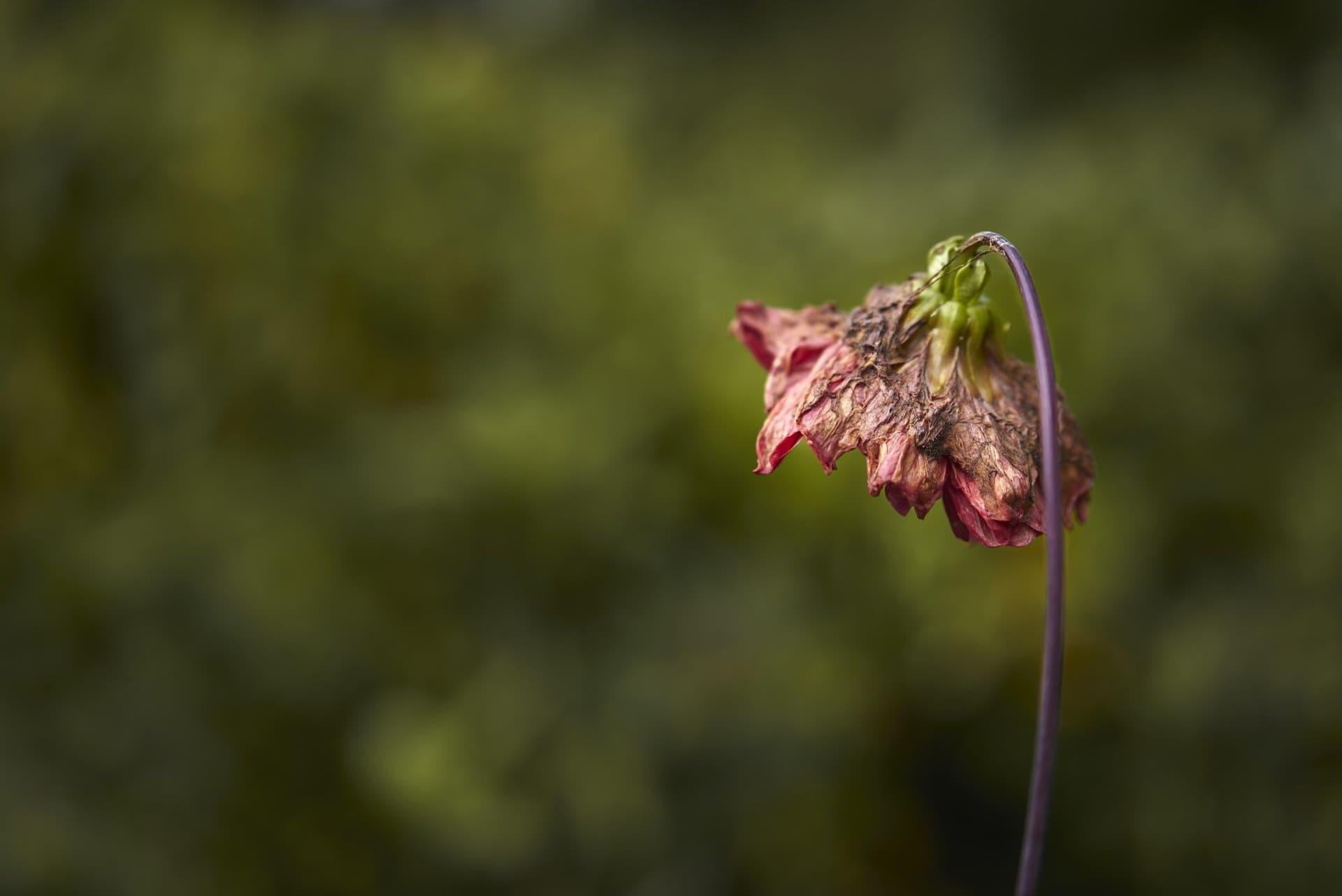
A plant can lose its leaves, stop growing, or collapse and still remain alive. A closer look at the stems, roots, bulbs, and tubers can show whether the plant still has a chance to recover.

Beginner Guides
How to Tell if a Plant Is Dead