


Bamboo Palm (Chamaedorea seifrizii) Light Needs

Bamboo Palm grows best in bright, indirect or filtered light, with only gentle morning sun if any.

Light Preference

Bright Indirect Light

Chamaedorea seifrizii Light Requirements

Chamaedorea seifrizii is native to humid forests of Mexico and Central America, where it grows below taller vegetation rather than in open sun. Its narrow leaflets are adapted to filtered light, brief sunflecks, and partial shade. In homes and shaded gardens, this background translates to steady brightness without harsh midday or afternoon rays. Its preferred light is bright, indirect or filtered light.

  • Ideal exposure:

    Bamboo Palm needs about 6–8 hours of bright, indirect or filtered light daily, including up to 1–2 hours of gentle direct morning sun.

  • Direct sun:

    It tolerates only brief, gentle direct sun; full sun is likely to scorch leaflets.

  • Lower light:

    Lower light is tolerated, but growth becomes slower and new fronds may be smaller.

  • Sun timing:

    Morning sun is safer than afternoon sun, especially near glass or during summer.

Indoors, this species performs best where daylight is bright but softened before it reaches the leaflets.

NSuitable
North-facing window:

Use the brightest north-facing window, preferably close to the glass, if the room is open and unobstructed.

EBest
East-facing window:

Place it within a few feet of an east-facing window where morning sun is gentle and short.

SConditional
South-facing window:

Set it 4–6 ft from a south-facing window, or filter the sun with a sheer curtain.

WConditional
West-facing window:

Keep it several feet back from a west-facing window and protect it from hot afternoon rays.

If leaflets fade or lean strongly, adjust the distance before choosing a much darker spot.

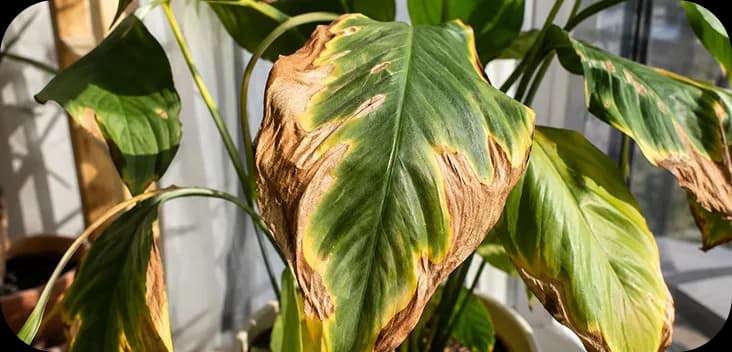
Excess light usually shows first on the most exposed fronds.

Bleached patches:

Leaflets may develop pale, washed-out areas where direct sun hits the same surface repeatedly.

Tan scorch spots:

Dry tan marks can appear on sun-facing leaflets after sudden exposure to strong midday or afternoon sun.

Crisp leaflet edges:

Edges may turn papery on the brightest side of the plant, especially near hot glass.

Folded leaflets:

Leaflets may fold or look dull during intense light, then recover partly when the sun passes.

Move the plant out of direct afternoon sun and provide filtered light. Damaged leaf tissue will not turn green again, but new growth should appear healthier under softer exposure.

Too little light tends to show as weak form rather than sudden damage.

  • Leaning growth:

    Fronds may angle toward the nearest window as the plant tries to capture more light.

  • Longer spacing:

    New stems and leaf bases can look more stretched, giving the clump a looser shape.

  • Smaller fronds:

    Fresh fronds may emerge shorter or narrower than older growth during the active season.

  • Slow new growth:

    Growth may nearly stall in spring and summer when temperature and care are otherwise suitable.

Move it gradually to brighter indirect light, avoiding a sudden shift into strong sun. Evaluate the newest growth after several weeks rather than judging only older fronds.

If ideal brightness is not available, choose the brightest spot that avoids harsh afternoon rays; steady moderate light is better than deep shade.

Rotate the pot a quarter turn every 2–4 weeks so new fronds develop evenly instead of leaning toward one side.

Avoid placing it in direct afternoon sun against hot glass, because that setup can scorch leaflets before the plant adjusts.

Get Personalized Care Plan

Scan your plant to receive care tips personalized for your specific plant

FAQ

It does best in bright, indirect or filtered light. A little soft morning sun is usually fine, but steady shade will produce weaker, slower growth over time.

Everything About Bamboo Palm

More Plant Light Guides

Get the Botan App

Discover how to care for your plants with Botan.

Botan app identifying a plant with a phone camera
How to Use a Moisture Meter for Plants

5 min read · 4 Sept 2026

How to Use a Moisture Meter for Plants

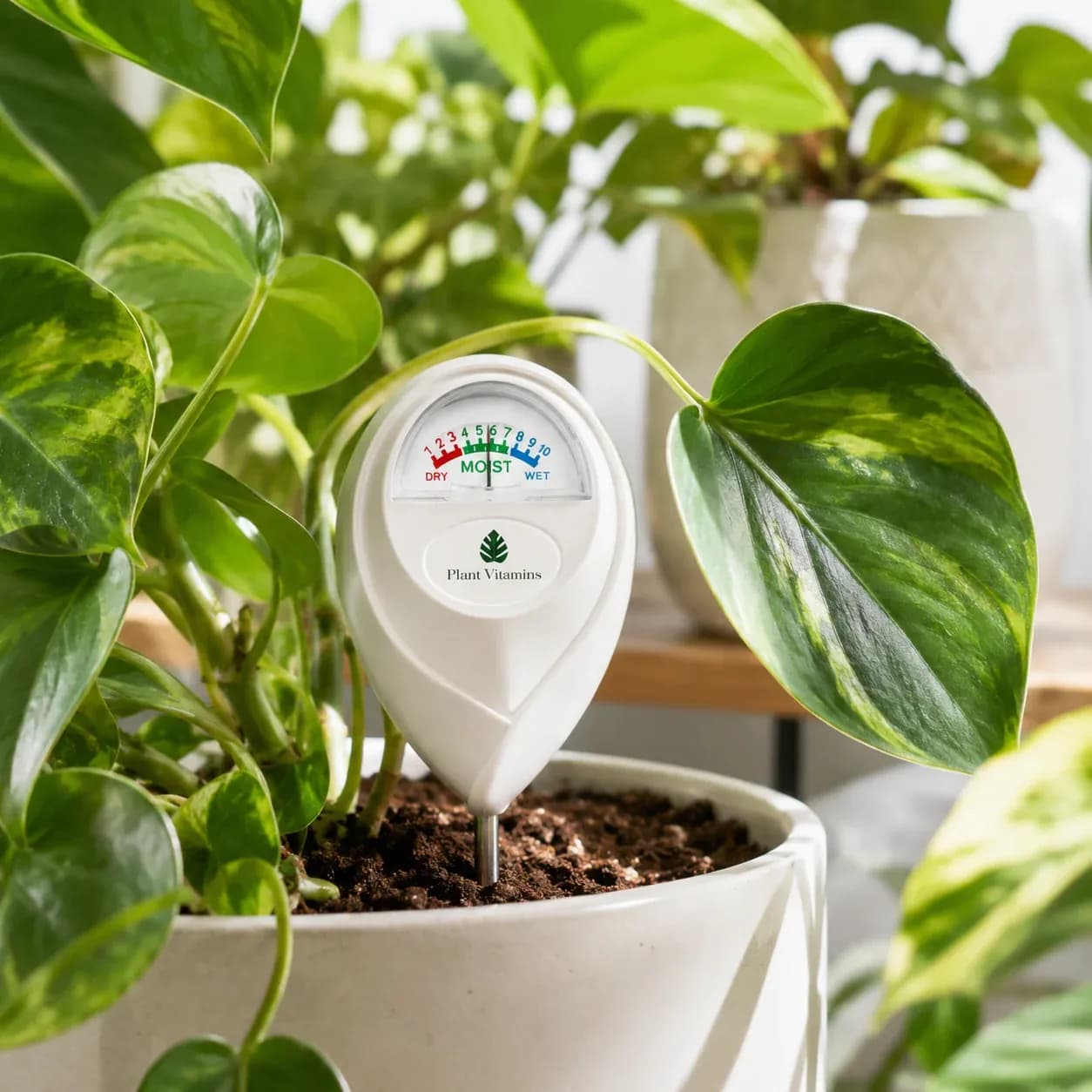
Watering by feel kills plenty of houseplants. A moisture meter checks the soil for you, and takes the guesswork out of it. This guide will show you how to use it correctly, from the first touch to the final reading.

Beginner Guides
How to Use a Moisture Meter for Plants
10 Easy Garden Flowers to Grow

8 min read · 10 Sept 2026

10 Easy Garden Flowers to Grow

Discover 10 garden flowers that require minimal care. Learn which characteristics make plants easy to grow and follow tips on how to create a beautiful corner from beginner-friendly blooms on your property.

Beginner Guides
10 Easy Garden Flowers to Grow
How to Clean Plant Leaves: A Simple Care Guide

6 min read · 4 Aug 2026

How to Clean Plant Leaves: A Simple Care Guide

Dusty leaves look dull and don't absorb light well. Below, you'll find simple ways to clean them, which tools are truly effective, how often you should do it, and what causes damage.

Beginner Guides
How to Clean Plant Leaves: A Simple Care Guide