
Bamboo Palm (Chamaedorea seifrizii) Watering Guide

This page explains when, how often, and how much to water Chamaedorea seifrizii for practical, consistent care.

Water Requirements

Moderate Water

Chamaedorea seifrizii Watering

This shade-loving palm comes from humid understory forests, so it thrives with steady, gentle moisture rather than drought. Chamaedorea seifrizii grown indoors appreciates slightly moist soil that never stays soggy or bone-dry for long.

In general, watering Bamboo Palm means aiming for evenly damp soil that dries a little at the surface between sessions. Indoor plants usually need more controlled, moderate watering than outdoor specimens, which experience natural rainfall and airflow.

Let the top 1–2 inches (3–5 cm) of soil dry before watering again; the mix should feel dry at that depth but not bone-dry below. This usually means watering about every 7–10 days indoors, though brighter light or warmer rooms can shorten the interval for Chamaedorea seifrizii.

Water Bamboo Palm when the top 1-2 inches (3-5 cm) of soil feel dry, aiming for slow, even moisture.

  • Pour room-temperature water over the soil surface around each stem, avoiding the crown where new fronds emerge.
  • Add water gradually until it flows from the drainage holes, ensuring the entire root zone is evenly moistened.
  • Let the pot drain fully for several minutes, then empty any saucer so roots do not sit in standing water.
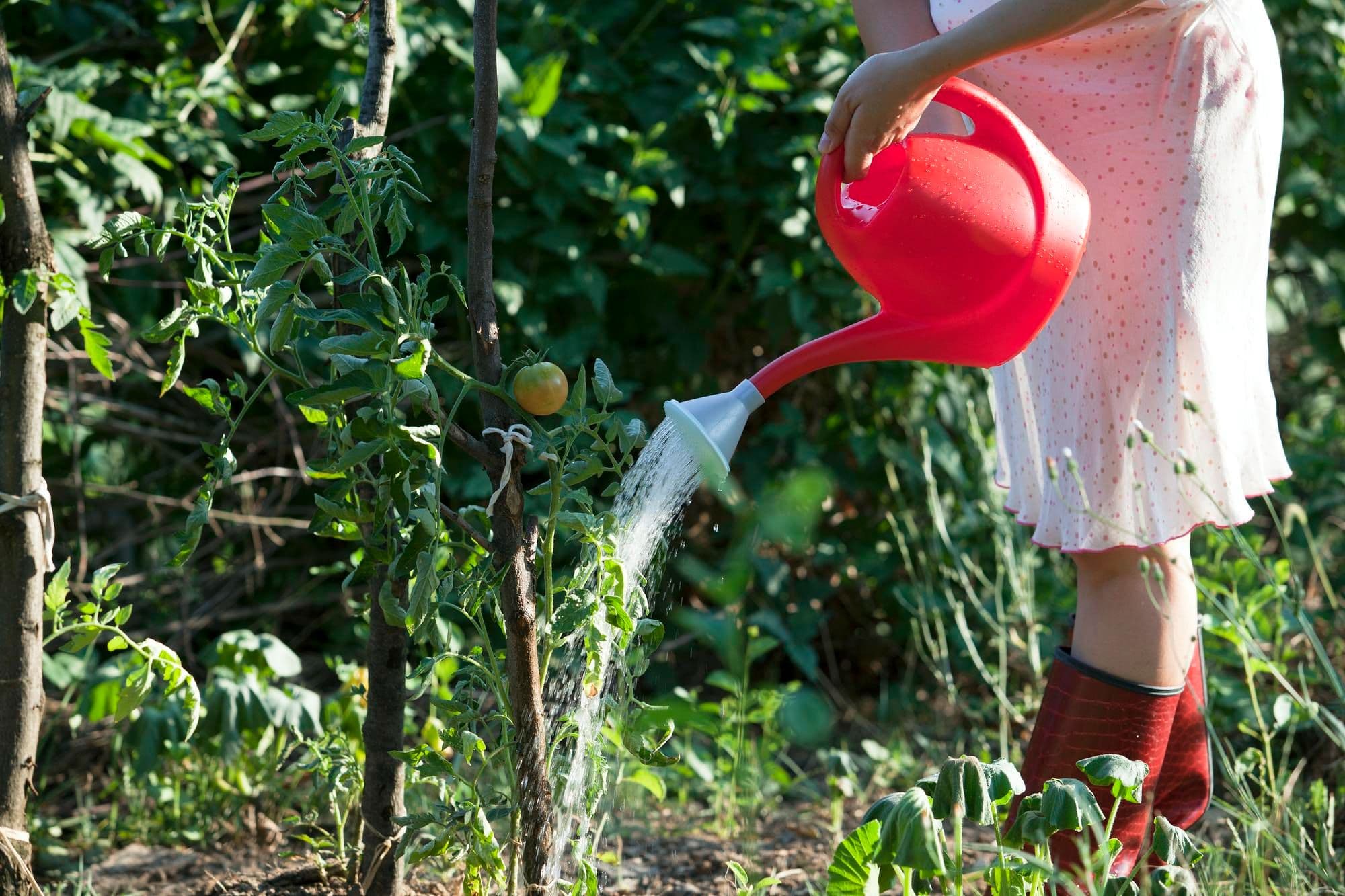
  • Use a narrow-spout watering can to direct flow between stems, keeping leaves and trunks mostly dry to limit residue buildup.

Incorrect moisture levels can stress Chamaedorea seifrizii and quickly trigger several avoidable problems.

Yellowing Lower Fronds:

Older leaves turn pale yellow from chronically wet soil and declining, oxygen-starved roots below.

Crisp Brown Leaf Tips:

Dry indoor air and irregular, shallow watering leave leaf tips dehydrated and salt-burned.

Drooping, Wilted Canes:

Stems and fronds slump when root zone swings between prolonged dryness and sudden heavy soaking.

Blackened Stem Bases:

Soil that stays soggy encourages fungal rot, darkening lower canes and softening nearby roots.

Sour, Mushy Potting Mix:

Persistently wet, compacted medium smells unpleasant and signals poor drainage harming underground tissues.

Maintain lightly moist, well-aerated soil with thorough watering, then allow the top layer to dry slightly.

Unsuitable watering habits can stress Chamaedorea seifrizii, weakening growth and making bamboo palm more vulnerable to pests and environmental swings.

  • Watering by schedule: Following a rigid calendar instead of checking soil moisture leads to extremes; test the top layer and adjust timing each week.
  • Heavy, dense potting mix: Using soil that stays soggy suffocates roots; choose a peat‑ or coir‑based mix loosened with perlite or fine bark.
  • Letting runoff sit in saucer: Leaving drained water under the pot keeps roots wet too long; empty the saucer a few minutes after watering.

Healthiest watering relies on monitoring soil moisture, using well‑draining materials, and letting excess water escape quickly from the container.

  • Spring: Increase watering slightly as new fronds emerge, keeping soil evenly moist but never saturated while growth and indoor light both rise.
  • Summer: In warm, bright rooms, water more often and monitor closely, as higher temperatures and faster evaporation can dry the root zone quickly.
  • Fall: Gradually extend the time between waterings as growth slows, letting the top soil layer dry a bit deeper before rewatering.
  • Winter: With cooler temperatures and lower light, reduce watering frequency, ensuring the pot drains well to avoid cold, lingering moisture around roots.

Track Watering. Catch Problems Early

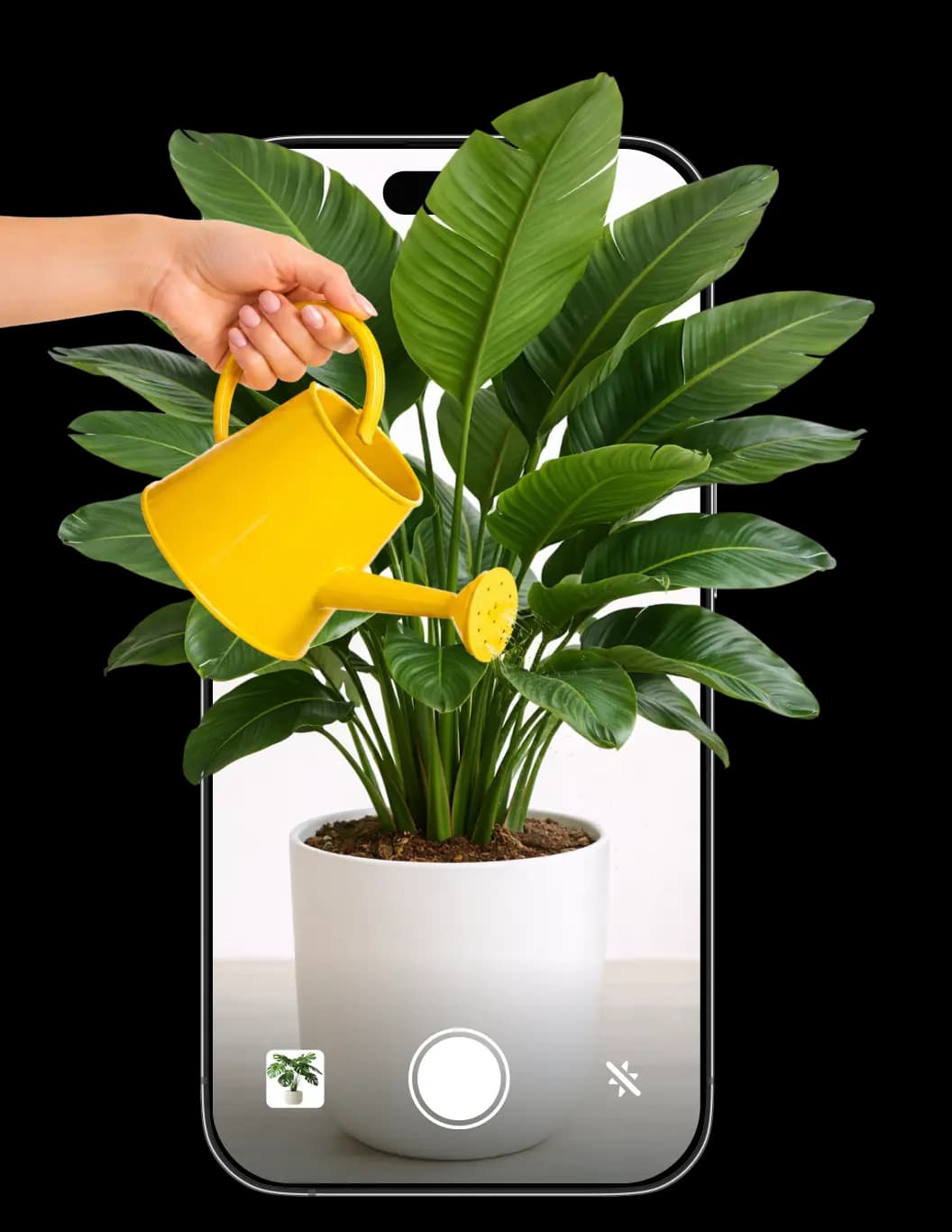
Botan builds a clear watering guide and care steps for your Bamboo Palm, and can gently flag possible issues from a simple photo before they become serious problems.

Botan plant care app — identify plants on mobile

FAQ

Misting only raises humidity on the leaf surface for a short time. It cannot move enough water into the root zone, so it should be used as a supplement, never a replacement for normal soil watering.

More Plant Watering Guides

Is Your Watering Routine Hurting Your Bamboo Palm?

Use Botan to review watering patterns and adjust timing for healthier moisture balance.

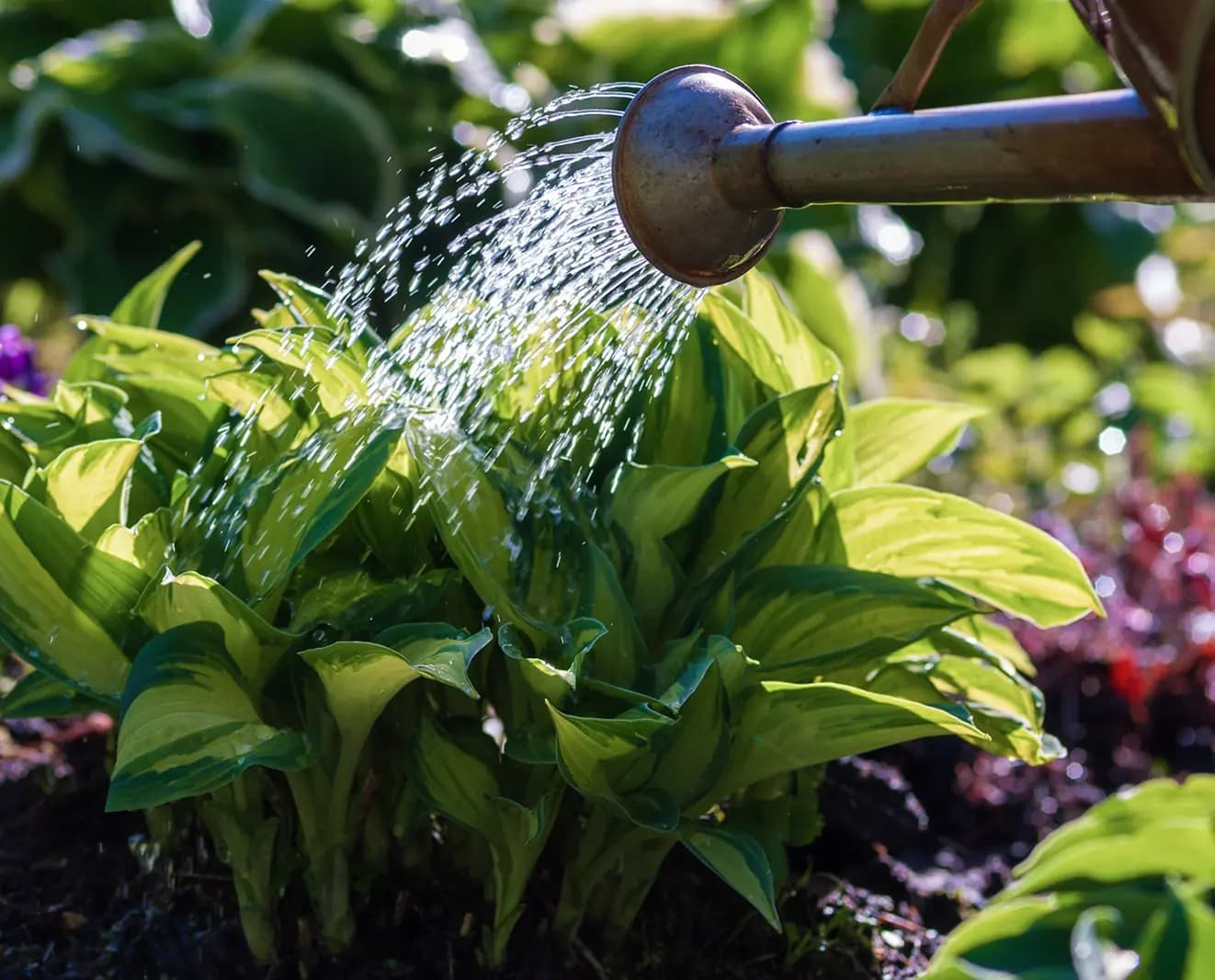
Watering a plant with a copper watering can
How to Group Plants in Landscaping: A Practical Layout Guide

8 min read · 31 Aug 2026

How to Group Plants in Landscaping: A Practical Layout Guide

Good plant grouping can mean the difference between a well-planned garden and one that looks sloppy. This guide explores layers, spacing, cluster shapes, and the plants that thrive when you group them.

Plant Care

How to Group Plants in Landscaping: A Practical Layout Guide
20 Most Popular Fruits Around the World

7 min read · 22 Jul 2026

20 Most Popular Fruits Around the World

Curious which fruits the world actually eats the most? Here's the top-20 by production volume, an overview of what people choose in each region, and a few figures that defy common assumptions.

Plant Recommendations
20 Most Popular Fruits Around the World
How Often to Water Fruit Trees

7 min read · 11 Aug 2026

How Often to Water Fruit Trees

Irrigation needs change as roots establish and weather shifts. This guide gives practical starting intervals, explains how soil and tree type change them, and shows how to recognize both excess moisture and drought stress.

Plant Care
How Often to Water Fruit Trees