queen palm (Syagrus romanzoffiana) Watering Guide

This page explains when, how often, and how much to water Syagrus romanzoffiana for balanced moisture control.

Water Requirements

Moderate Water

Syagrus romanzoffiana Watering

This guide to watering queen palm gives a simple framework before finer details. Native to seasonally rainy subtropical regions, it experiences moist but not constantly wet conditions in the ground.

Syagrus romanzoffiana generally prefers soil that stays lightly moist, with brief drying at the surface between thorough waterings outdoors and in containers. Indoor plants usually need slightly more attentive monitoring than established landscape trees, but the same moderate, balanced approach applies to both.

Water when the top 1–2 inches (3–5 cm) of soil feel dry, whether the plant is in a pot or in the ground. Queen palm in warm, bright conditions may need water more often, while cooler weather or lower light usually lengthens the interval between waterings.

Water queen palm when the top 2-3 inches of soil feel dry, using deep, slow soaking for even root moisture.

  • Direct water to the soil in a wide circle beneath the canopy, avoiding the crown to reduce moisture collecting there.
  • Apply water slowly so it penetrates 8-12 inches deep, ensuring the full root zone is evenly moistened.
  • Let excess water drain freely from planting area or container, never allowing the palm to sit in standing water.
  • After watering, gently break any surface crust so future water can infiltrate easily around the root zone.

Incorrect moisture levels can stress Syagrus romanzoffiana and gradually weaken overall plant health.

Fronds Turning Yellow:

Older leaves yellow from chronic underwatering or drought, often accompanied by slow, weak canopy growth.

Fronds Browning At Tips:

Leaf tips dry and brown when soil repeatedly swings between very dry and waterlogged conditions.

Fronds Wilting Or Drooping:

Canopy droops when roots lack oxygen in poorly drained or compacted, consistently saturated soil.

Trunk Base Softness:

Lower trunk feels spongy when root rot develops in sites with persistent standing water.

Keep soil evenly moist in well-drained ground, avoiding extended drought or prolonged saturated conditions.

Unsuitable watering habits weaken Syagrus romanzoffiana, reducing growth, stressing the roots, and making queen palm more vulnerable to pests and cold.

  • Rigid watering schedule: Watering by calendar instead of checking soil moisture keeps roots either too wet or too dry; adjust frequency to conditions.
  • Poorly drained soil: Heavy, compact mixes hold water around roots too long; use a loose, sandy mix that drains quickly yet holds some moisture.
  • No drainage or saucer care: Containers without holes or constantly full saucers suffocate roots; ensure free drainage and empty saucers after each watering.

Aim for deep, infrequent watering in fast-draining soil, guided by actual soil dryness and container drainage rather than routine.

  • Spring: Increase watering as new fronds emerge, keeping soil consistently moist but not saturated while temperatures and light levels rise.
  • Summer: In hot, dry weather, water more deeply and more often, especially for container plants, adjusting if regular rainfall keeps soil moderately moist.
  • Fall: Gradually reduce watering as growth slows, allowing the top soil layer to dry slightly longer between waterings in cooler conditions.
  • Winter: Provide less frequent watering, keeping soil just lightly moist and avoiding cold, wet conditions that increase root rot risk.

Your queen palm Care Companion

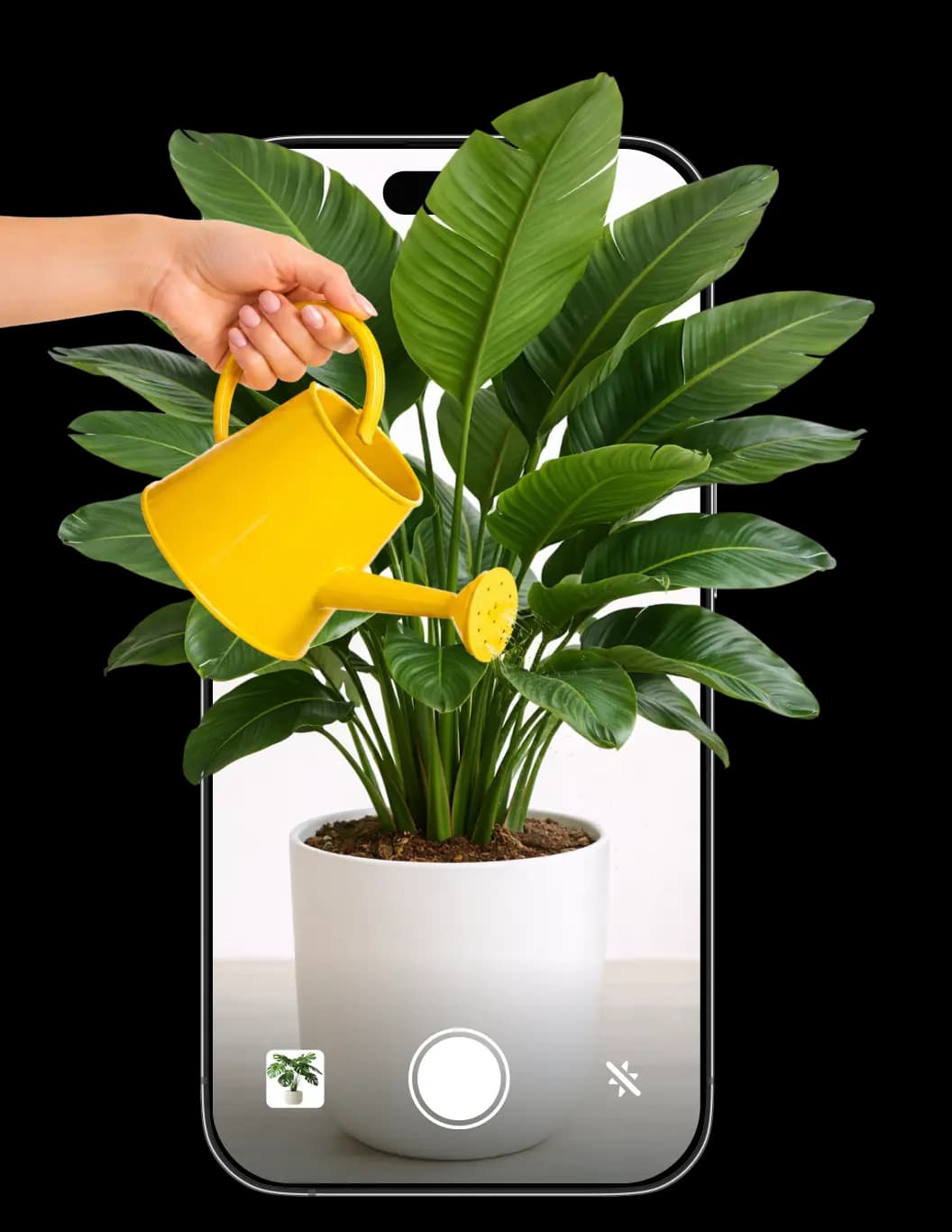
Use Botan for a clear watering guide and practical care steps for your queen palm. The app can also review plant photos to flag possible issues early.

Botan plant care app — identify plants on mobile

Interesting Watering Facts

Rainfall‑driven growth flush

In its native range in southern Brazil, Argentina, Paraguay, and Uruguay, Syagrus romanzoffiana often produces strong leaf and crownshaft growth after periods of regular rainfall, reflecting its adaptation to warm, seasonally moist subtropical climates with distinct wet and drier seasons.


High flood tolerance

Mature Syagrus romanzoffiana in nature can tolerate periodic waterlogging along riverbanks and lowlands, where soils may stay saturated for days, which helps explain its relatively high tolerance of occasional overwatering compared with many other landscape palms.

Deep, searching root system

Field observations show Syagrus romanzoffiana develops an extensive, deep root system in well‑drained soils, allowing access to subsurface moisture during drier periods, which supports its use in regions with intermittent rainfall once the palm is established.

FAQ

Yes. For container plants, water slowly until excess drains from the bottom, then empty any saucer. This ensures the whole root ball is moistened and helps flush out built-up salts from fertilizers.

More Plant Watering Guides

Is Your Watering Routine Hurting Your queen palm?

Use Botan to review your watering pattern and adjust it with more confidence.

Watering a plant with a copper watering can
What Plants Don't Like Epsom Salt?

11 min read · 29 Jul 2026

What Plants Don't Like Epsom Salt?

Learn which plants can be seriously damaged by Epsom salt and which will thrive on it. We’ll explain when and how to use it properly, provide tips for indoor & outdoor plants — read on and enjoy a healthy garden.

Plant Care
What Plants Don't Like Epsom Salt?
Best Water for Plants – How to Choose the Right Type

7 min read · 13 Aug 2026

Best Water for Plants – How to Choose the Right Type

Rainwater, filtered, distilled, and tap water affect plants differently. Learn which types support healthy growth and which cause slow damage. Match each to your plants and discover how to easily improve tap water quality.

Plant Care
Best Water for Plants – How to Choose the Right Type
How to Winterize Your Garden in 6 Steps

5 min read · 28 Sept 2026

How to Winterize Your Garden in 6 Steps

Learn how to prepare your garden for winter with a practical six-step checklist covering cleanup, tender plant care, watering, mulching, winter protection, and winterizing equipment and containers.

Plant Care
How to Winterize Your Garden in 6 Steps