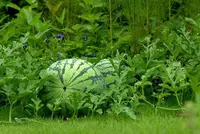
Prefers Even Moisture
Peppermint typically grows along streambanks and damp meadows in its native and naturalized range, so cultivated plants perform best in consistently moist, well‑drained soil rather than drying fully between waterings.

This page explains when, how often, and how much to water Mentha × piperita in straightforward, practical terms.

Water Requirements
Keep Soil Moist
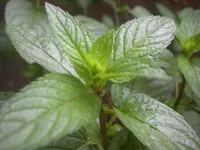
Native to damp stream edges and moist meadows, Mentha × piperita naturally experiences evenly moist, not waterlogged, soil. It prefers consistent, gentle moisture that never dries out completely, supporting steady leaf growth and strong scent development.
As a result, watering peppermint means checking that soil stays lightly moist rather than wet or dry. Indoors, moisture can remain more stable, while outdoor plants often need closer attention during warm, windy weather.
Water when the top 1–2 inches (3–5 cm) of soil feel dry, rather than on a strict schedule. In warm, bright conditions, peppermint typically needs water every few days, while in cooler weather or lower light the interval usually stretches longer. Outdoor summer heat shortens the gap between waterings.
Water peppermint when the top 1-2 inches (3-5 cm) of soil feel dry, aiming for evenly moist, never soggy soil.
Incorrect moisture levels can stress Mentha × piperita and gradually weaken overall growth.
Limp, drooping stems usually indicate dried-out soil; water thoroughly when upper soil layer feels dry.
Older leaves yellowing from the base often result from consistently soggy soil and reduced aeration.
Dark, mushy roots with sour smell signal prolonged waterlogging; improve drainage and reduce watering frequency.
White, flour-like patches follow wet foliage and poor air movement; water at soil level instead.
Short runners and small leaves may reflect chronic underwatering or cramped roots needing division and watering adjustment.
Keep soil consistently moist but never waterlogged, adjusting frequency to light, temperature, and pot size.
Unsuitable watering habits disturb Mentha × piperita’s shallow, fast-growing roots and can quickly weaken growth, aroma, and leaf quality.
The safest approach is to keep soil lightly moist, letting the surface dry a bit between waterings while providing reliable drainage.
Watering Advice
Learn when to water your plant and avoid common watering mistakes.
Use Botan for a simple watering guide and practical care steps for Mentha × piperita, plus gentle photo-based issue checks to spot emerging problems before they spread.
Peppermint typically grows along streambanks and damp meadows in its native and naturalized range, so cultivated plants perform best in consistently moist, well‑drained soil rather than drying fully between waterings.
Although peppermint favors moist conditions, studies of Mentha cultivation show that prolonged waterlogging reduces growth and essential oil yield, so soils need good drainage and should not remain saturated for long periods.
Drooping right after watering usually means excess water and low oxygen around the roots. Check for soggy soil, poor drainage, or a pot without holes, and let the top layer dry slightly before the next drink.
Botan quickly reviews your watering pattern so adjustments are easier and more confident.
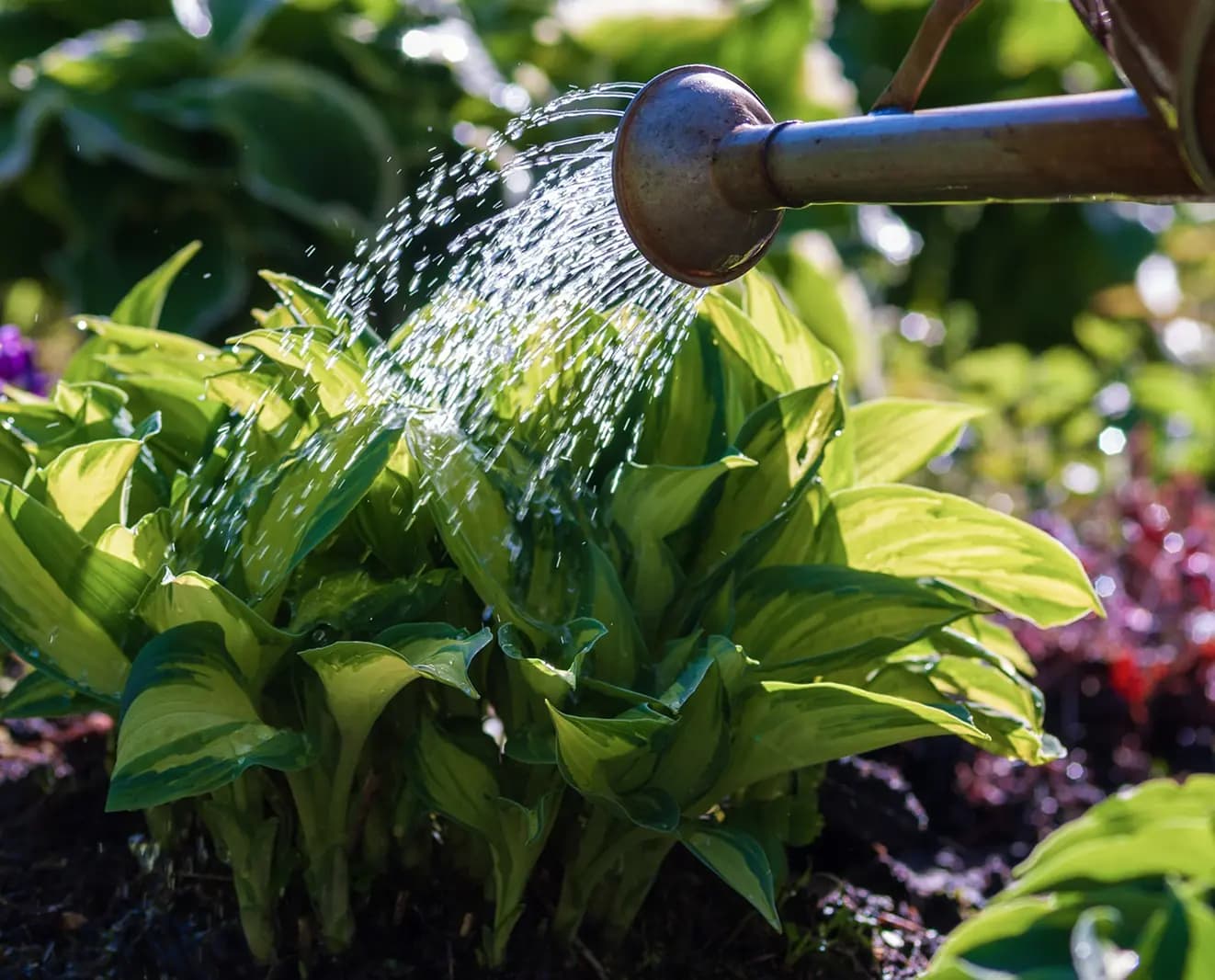
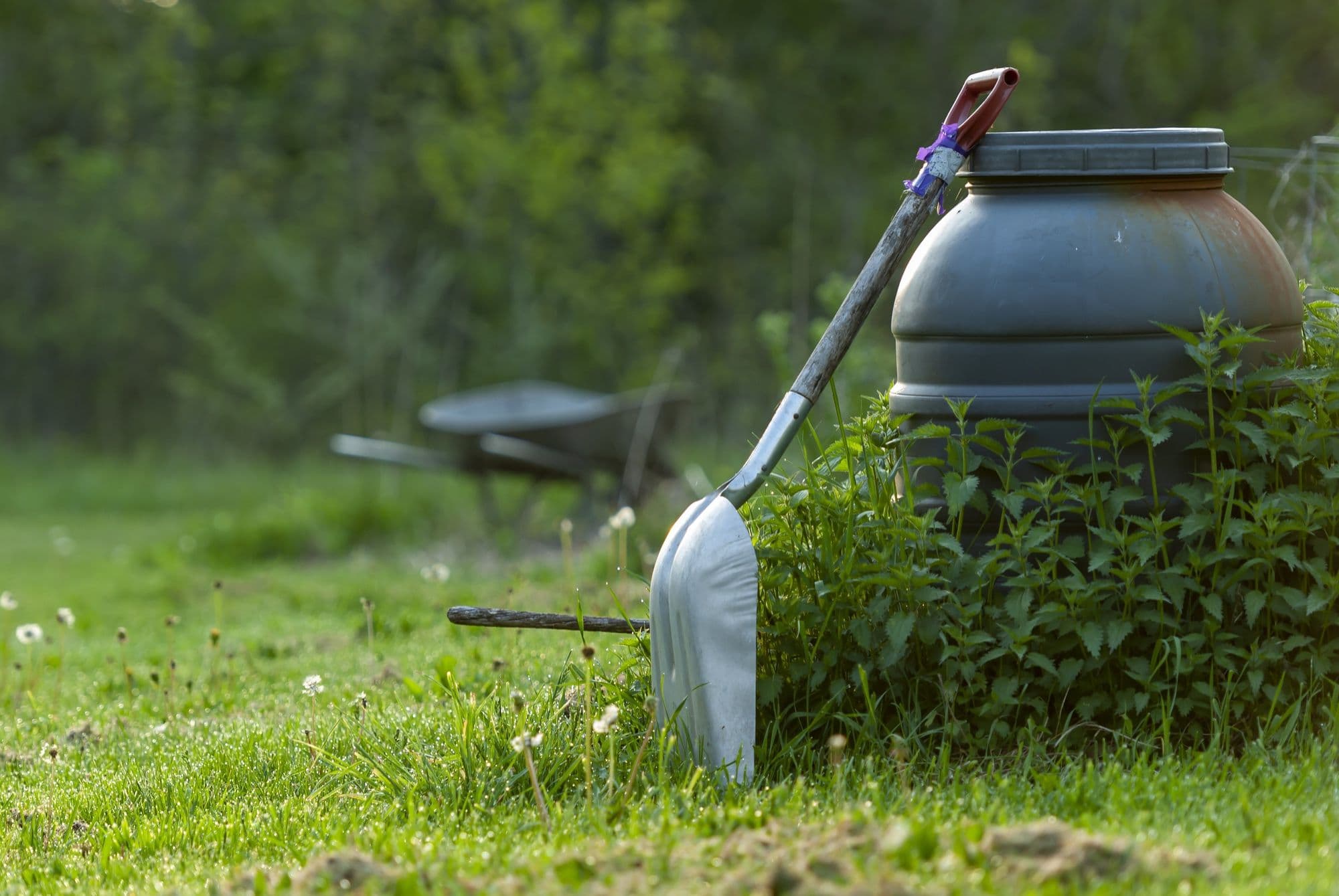
6 min read · 18 Aug 2026
The right fertilizer in summer can make a lawn thrive. The wrong one can damage it. Here, you’ll learn the best NPK ratios by grass type, when and how to apply your formula, and how to recognize the signs of over- or under-fertilizing.
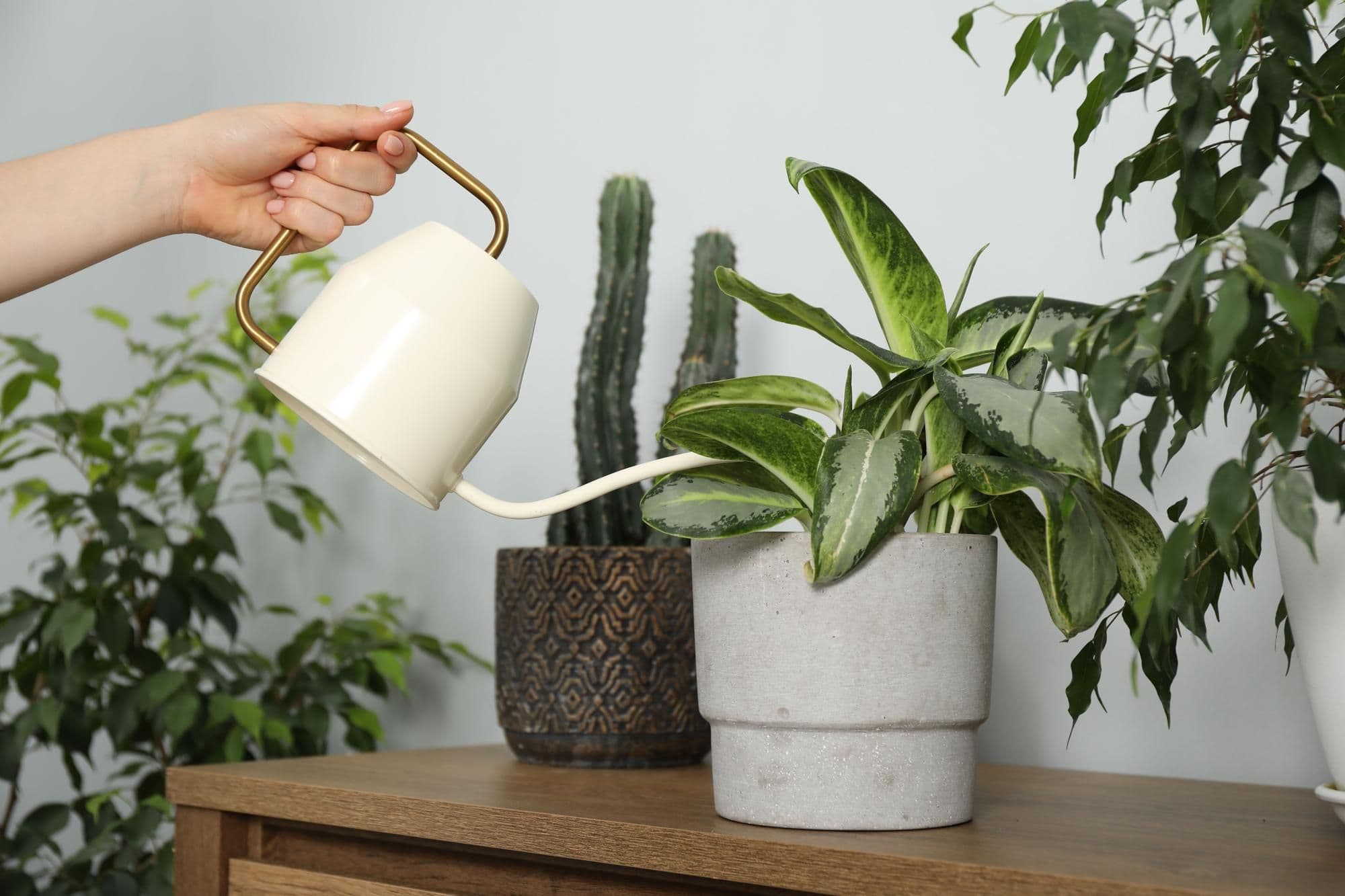
7 min read · 24 Aug 2026
Learn how often to water indoor plants, key factors for proper watering, and how to adjust the care routine by plant type, season, pot size, light, and indoor conditions.
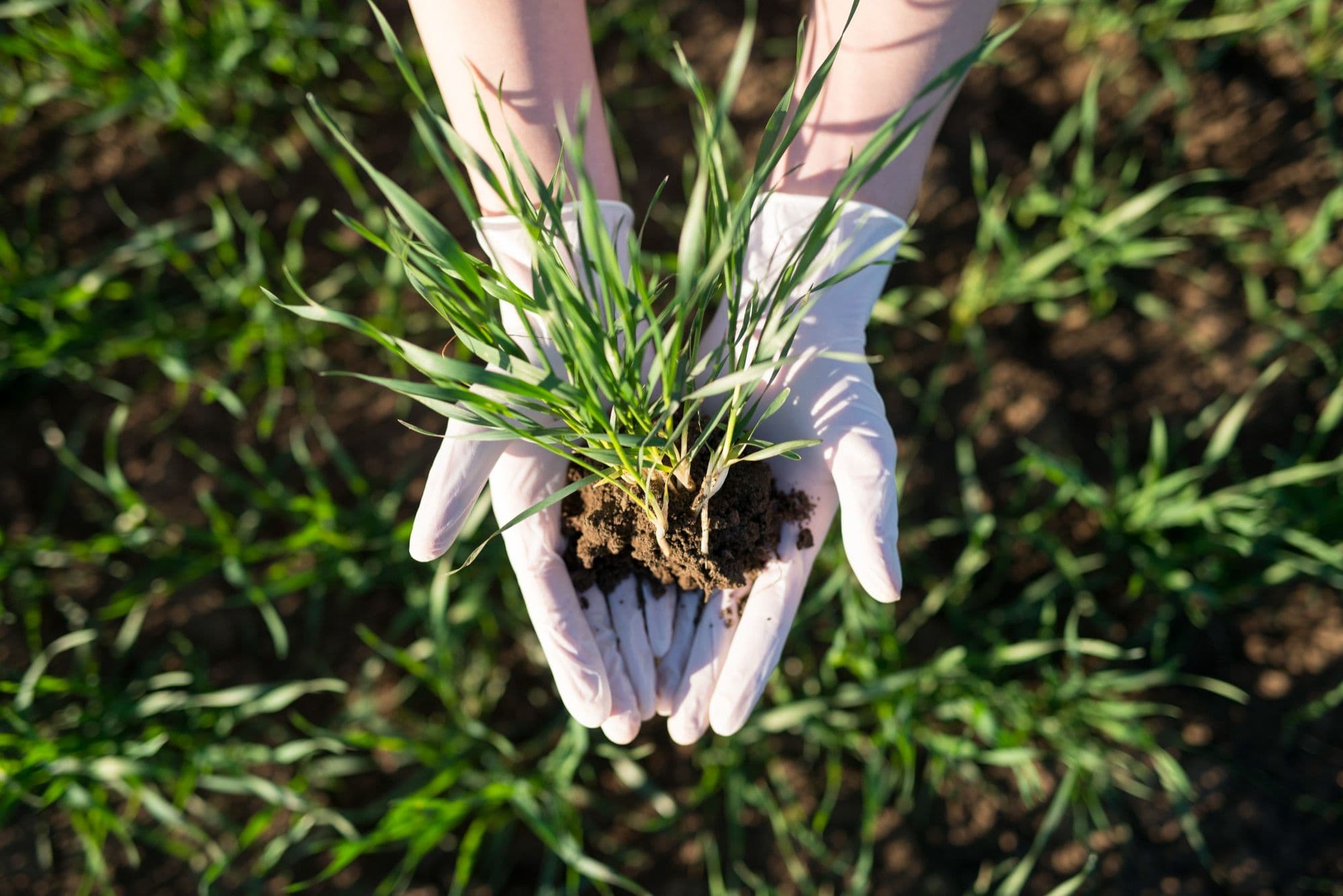
7 min read · 6 Aug 2026
Summer seeding succeeds when the grass type suits the season, and the soil stays moist. Find out how to prepare the seedbed and choose a safe window for planting.