peppermint Care (Mentha × piperita)

peppermint

About peppermint

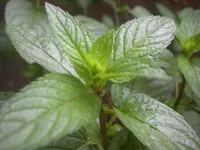
Peppermint, Mentha × piperita, is a fast-growing herbaceous perennial in the mint family, often grown for its aromatic leaves and cooling flavor. It typically forms low, spreading clumps with square stems and bright green, slightly toothed leaves.

In nature it is found in moist areas of Europe and the Middle East, but it is now widely cultivated in gardens and containers around the world. Its vigorous growth and tolerance of regular harvesting make it straightforward for most home growers.

Peppermint prefers consistent moisture, moderately rich soil, and at least moderate light. Understanding these basics makes it easier to care for peppermint successfully, both outdoors and in pots.

Main Plant Requirements

Care Difficulty

Easy Care

Light Preference

Partial Sun

Water Requirements

Keep Soil Moist

Temperature Preference

Cold Hardy

Hardiness Zone

5–9

Soil Texture

Loamy, Sandy, Organic-rich

Soil pH

Acidic (5.5–6.5), Slightly acidic (6.5–7.0)

Soil Drainage

Moist but well-drained

Fertilization

Light (every 4–6 weeks)

Get Personalized Care Plan

Scan your plant to receive care tips personalized for your specific plant

Available on iOS and Android

How to Care for the peppermint

This herb thrives with several hours of direct sun but also tolerates partial shade, which suits peppermint well.

  • Provide 4–6 hours of direct morning sun with light afternoon shade, or bright dappled light all day in hotter climates.
  • Allow partial shade (as little as 2–3 hours direct sun) in summer; growth will be softer but leaves stay less scorched.
  • Watch for pale, leggy stems as a sign of too little light, and crisped leaf edges as a sign of excessive midday or afternoon sun.

This mint prefers consistently moist soil without becoming waterlogged throughout the growing season.

  • Water when the top 2–3 cm of soil feel dry, aiming for evenly moist soil that never stays soggy for longer than a few hours.
  • Use soil with good drainage; standing water around Mentha × piperita roots leads to yellowing leaves, limp stems, and root rot.
  • In hot, windy weather, monitor daily for wilting or dry soil; in cool or rainy periods, extend intervals and rely on touch rather than a fixed schedule.

This species grows best in mild conditions and tolerates a reasonable range of outdoor temperatures.

  • Aim for active growth at 60–75°F (16–24°C); growth slows above 85°F (29°C) but plants usually survive if soil moisture is steady.
  • Tolerates light frosts down to about 25–28°F (-4 to -2°C); top growth may die back, but roots often resprout in spring.
  • In very hot spells over 90°F (32°C), provide afternoon shade and avoid heat reflected from walls or pavement to limit leaf scorch and stress.

This species grows well in typical indoor humidity but benefits from slightly moist air in heated homes.

  • Aim for 40–60% humidity to keep peppermint leaves lush and aromatic.
  • Tolerates short dry spells, but edges may brown and growth may stall in very dry air below 30%.
  • Increase humidity locally with a nearby tray of water and pebbles or by grouping plants, avoiding direct misting on dense foliage.

Mentha × piperita prefers moist, airy soil that drains freely yet holds consistent moisture.

  • Use a loose loam rich in organic matter, such as 2 parts all-purpose potting mix with 1 part compost and 1 part perlite or coarse sand.
  • Ensure fast drainage; water should pass through the mix quickly without pooling at the surface or in the container base.
  • Keep soil pH slightly acidic to neutral, around 6.0–7.0, to support nutrient uptake and steady leafy growth.
  • Avoid compacted, heavy clay or constantly waterlogged substrates, which reduce root aeration and increase root rot risk.

This herb is very suitable for container growing.

  • Choose a wide container at least 20–25 cm across to contain its spreading roots and prevent it from crowding neighboring plants.
  • Select a slightly heavier pot material, such as ceramic or thick plastic, to keep vigorous top growth from tipping the container in wind.
  • Raise the pot on feet or bricks so drainage holes stay clear and excess water escapes quickly after heavy watering or rain.

This herb grows vigorously with modest feeding during the main growing season.

  • Use a balanced liquid NPK fertilizer at 1/2 strength every 3–4 weeks in spring and summer for potted peppermint.
  • Apply a thin layer of compost on outdoor beds once in spring to support steady foliage growth.
  • Skip feeding in late fall and winter when growth slows or plants die back, as nutrients are not efficiently used.
  • Flush containers with plain water a few times each season to prevent fertilizer salt buildup around the roots.

Mentha × piperita benefits from light, frequent cutting to maintain dense, healthy growth.

  • Begin main shaping in late spring to early summer once stems reach 10–15 cm, then trim after each strong flush of growth.
  • Remove dead, damaged, or crossing stems with clean scissors or snips to reduce disease risk and improve air flow.
  • Shear back up to 1/3 of the plant to encourage bushier, leafy growth and delay flowering if leaves are the main harvest.
  • Cut flowering stems low if seed set is not desired, which helps direct energy back into new vegetative shoots.

This mint spreads quickly and benefits from periodic transplanting or container upsizing to manage vigor.

  • Check for roots circling the container, water draining too fast, or slowed growth as signs Mentha × piperita needs repotting.
  • Plan repotting or garden transplanting in early spring or early fall when temperatures are mild and soil stays evenly moist.
  • Repot container plants every 1–2 years into a pot 2–5 cm wider, using fresh, well-drained, organic-rich potting mix.
  • Water thoroughly before and after moving, keep plants shaded for a few days, and trim foliage slightly to reduce root stress.

This species is commonly multiplied by division and stem cuttings rather than seed, which is often variable.

  • Divide mature clumps in early spring or early fall, replanting vigorous rooted sections 20–30 cm apart in moist soil.
  • Take 8–10 cm softwood stem cuttings in late spring or summer, removing lower leaves and placing stems in water or moist mix.
  • Provide bright, indirect light and high humidity around cuttings; roots usually form in 1–3 weeks at 65–75°F.
  • Replant rooted segments promptly, keep soil evenly moist, and pinch growing tips to encourage branching and denser mats.

This mint is generally cold hardy in garden beds but potted plants may need some basic winter care.

  • In the ground, crowns usually tolerate light to moderate frost once foliage dies back naturally.
  • Apply a 3–5 cm mulch layer of leaves or compost around the root zone in cold climates to buffer temperature swings.
  • Move containers to a sheltered, frost-free but cool area, such as an unheated garage, to protect roots from hard freezes.
  • Water sparingly in winter, keeping soil just barely moist so dormant roots do not dry out completely.

Care Tips

Container containment

Grow peppermint in a wide, bottomless pot or nursery can sunk into the garden soil to keep roots from spreading aggressively while still allowing adequate drainage and nutrient flow.

Frequent harvesting rotation

Harvest stems lightly but often, rotating around the plant so that no single section is stripped, which keeps growth compact, delays flowering, and maintains high leaf oil content.

Pre-flower cutback

Shear plants back by about 1/3 just before flower buds open to stimulate a flush of tender, aromatic foliage and reduce energy loss to blooming.

Clean, shallow division

Divide clumps every 2–3 years in early spring by lifting shallow root mats and replanting only vigorous, non-woody outer sections to maintain strong, disease-resistant growth.

Airflow and spacing

Space plants and containers to allow clear air movement between them, removing crowded inner stems regularly to reduce humidity pockets that favor rust and powdery mildew when caring for peppermint.

Everything About peppermint

Common Pests and Diseases

Mint rust

This disease causes small orange, yellow, or brown pustules on leaf undersides, often with pale spots on top surfaces and early leaf drop. Symptoms include patchy thinning of the mint patch as infections build up year after year.

Solution

Remove and discard all heavily infected stems and fallen leaves, never composting them. Improve air circulation, avoid overhead watering, and if rust returns repeatedly, cut plants down and replant with fresh, certified clean stock in a new location after at least 2–3 years of crop rotation.

Powdery mildew

This disease produces a white or gray powdery coating on leaves and stems, causing distortion and a reduction in aroma and vigor. Symptoms include leaves yellowing and drying early, especially in dense, shaded plantings.

Solution

Thin crowded stems to improve airflow, water at soil level, and avoid wetting foliage in the evening. Remove and discard badly affected leaves, then monitor new growth; if conditions stay humid, consider moving potted plants to a brighter, breezier spot as part of general peppermint indoor care.

Verticillium wilt

This disease blocks water movement inside the stems, so symptoms include sudden wilting, yellowing, and dieback of shoots, often on one side of the plant first. Lower leaves may brown and drop while the soil remains evenly moist.

Solution

Uproot and discard infected plants with roots and surrounding soil, and do not replant mint or other susceptible crops in the same soil for several years. Grow new plants in fresh, well-draining soil or raised containers and sanitize tools to reduce spread of the fungus between beds.

Mint flea beetles

These insects chew many tiny round holes in leaves, giving foliage a shot-hole or lace-like appearance and reducing usable harvest. This pest often jumps when disturbed and can cause severe cosmetic damage in sunny, dry conditions.

Solution

Hand-pick adults where feasible and remove plant debris that shelters them between seasons. Use fine insect netting over outdoor beds, encourage predators such as ground beetles, and keep plants well watered and vigorous so new growth quickly replaces damaged leaves.

Spider mites

These pests feed on leaf sap, causing fine stippling, bronzing, and a dull appearance, often with delicate webbing between leaves and stems. Symptoms include leaves drying and dropping in hot, dry conditions, especially on indoor or greenhouse plants.

Solution

Rinse foliage thoroughly with a strong but gentle stream of water, including leaf undersides, and repeat every few days to disrupt the population. Raise humidity, isolate heavily infested pots, and if needed apply a horticultural soap or neem oil spray labeled for edible herbs, covering all leaf surfaces carefully.

Interesting Facts

Hybrid origin history

This peppermint is a natural sterile hybrid between watermint (Mentha aquatica) and spearmint (Mentha spicata), first recognized in 18th‑century England and then widely cloned rather than grown from seed.

High menthol chemotype

The leaves produce an essential oil unusually rich in menthol and menthone compared with most other mints, which gives its characteristic intense cooling effect and sharp aroma.

Clonal field production

Commercial peppermint oil production relies on vegetative propagation from runners or stem cuttings, so whole fields can consist of a single genetic clone chosen for uniform oil quality and yield.

Botan icon

Did you know?

Because it is almost always sterile and rarely sets viable seed, this plant spreads and persists mainly through creeping underground stems called stolons, which allows a single original planting to expand into extensive colonies over time.

FAQs about peppermint

Brown leaf edges usually result from underwatering, low humidity, excess fertilizer, or strong sun scorch. Check soil moisture, flush accumulated salts, and trim damaged tips. Stable, moderate conditions prevent most browning issues when caring for peppermint.

Grow Healthy Plants with Botan Care

Keep your plants happy and healthy with plant identification, disease detection, and easy care guidance.

Botan plant care app — identify plants on mobile

Explore More Plants