soft agrimony Care (Agrimonia pubescens)

Also known as: downy agrimony, soft groovebur
soft agrimony

About soft agrimony

Soft agrimony (Agrimonia pubescens) is a perennial wildflower in the rose family, known for its upright stems and small yellow flowers held in narrow spikes. Plants have softly hairy leaves and stems, which give the species its common name and help distinguish it from other agrimonies.

This species is native to eastern and central North America, where it grows in open woods, woodland edges, and lightly shaded meadows. It usually forms loose clumps rather than dense groundcover.

Soft agrimony is considered fairly undemanding, which makes it manageable to care for soft agrimony in a garden setting. It prefers moderately moist, well-drained soil and light ranging from partial shade to full sun, depending on local climate.

Main Plant Requirements

Care Difficulty

Easy Care

Light Preference

Full Sun

Water Requirements

Moderate Water

Temperature Preference

Cold Hardy

Hardiness Zone

3–8

Soil Texture

Sandy, Loamy, Silty

Soil pH

Slightly acidic (6.5–7.0), Neutral (7.0)

Soil Drainage

Moist but well-drained

Fertilization

Minimal (feed rarely)

Get Personalized Care Plan

Scan your plant to receive care tips personalized for your specific plant

Available on iOS and Android

How to Care for the soft agrimony

This North American wildflower prefers consistent sun but adapts to light woodland conditions.

  • Provide 4–8 hours of direct sun daily; morning sun with light afternoon shade suits most sites.
  • Tolerates bright partial shade, especially in hotter regions, but flowering of soft agrimony may decrease with less than 4 hours of sun.
  • Avoid full, reflected afternoon sun in very hot climates, which can scorch leaves; in dense shade, plants grow thin, flop, and set fewer flower spikes.

This species prefers evenly moist, freely draining soil rather than constant wetness.

  • In the growing season, water when the top 3–5 cm of soil feels dry, aiming for moist but not saturated soil around the roots.
  • Use soil with good drainage; puddling for more than 30–60 minutes after watering indicates compaction or poor structure that can lead to root rot in Agrimonia pubescens.
  • In drought, leaves may wilt or scorch at the edges; overwatering shows as yellowing lower leaves and soft, darkened stems near the base.

This hardy perennial tolerates a wide temperature range typical of temperate climates.

  • Active growth is strongest around 65–80°F (18–27°C), matching late spring and early summer outdoor conditions.
  • Established plants survive winter frosts, with roots tolerating drops close to 0°F (−18°C) when soil is not waterlogged.
  • In summer heat above 90°F (32°C), combine slightly increased watering with partial afternoon shade to limit stress and prevent premature leaf scorch.

This species is largely indifferent to humidity and grows reliably in typical outdoor conditions across its range.

This species prefers moderately moist, well‑structured soil that does not stay waterlogged.

  • Use a loamy or sandy‑loam soil with moderate organic matter, such as garden soil blended with compost.
  • Ensure free drainage by avoiding compacted clay; incorporate coarse sand or fine gravel if water lingers after rain.
  • Aim for slightly acidic to neutral pH around 6.0–7.0, which suits Agrimonia pubescens root function and nutrient uptake.
  • Avoid heavy, anaerobic soil that smells sour or forms large clods, as this restricts aeration and promotes root rot.

This species can be grown in containers outdoors, though it performs best in larger, deep pots rather than small decorative ones.

  • Choose a container at least 25–30 cm deep to accommodate its taproot and reduce tipping in wind.
  • Use a heavier pot material such as clay or thick plastic to stabilize the upright stems as they elongate.
  • Raise the container slightly on feet or bricks so drainage holes stay clear and runoff exits quickly during heavy rain.

Agrimonia pubescens growing in average garden soil needs only light feeding to support healthy foliage and flowering.

  • Use a balanced, slow-release fertilizer (such as 10-10-10) or a thin layer of compost in early spring as new growth starts.
  • Apply fertilizer once per year for in-ground plants; container-grown soft agrimony may benefit from a second light feeding in midsummer.
  • Dilute liquid feeds to 1/2 strength for container plants and water beforehand to avoid root burn.
  • Avoid fertilizing in late fall and winter, as the plant is dormant and excess nutrients can stress the roots.

Pruning Agrimonia pubescens is simple and mainly helps maintain a tidy clump and consistent flowering.

  • Cut back spent flower spikes in late summer to encourage a neater appearance and sometimes a light rebloom.
  • In late fall or very early spring, remove dead, damaged, or weak stems at ground level using clean, sharp hand pruners.
  • Thin out crowded stems to improve airflow, which reduces fungal issues and helps maintain a balanced, upright form.
  • Avoid heavy cutting into young green shoots during the active growing season to prevent unnecessary stress.

This species is usually grown in the ground, so focus on occasional transplanting rather than frequent repotting.

  • Transplant in early spring or early fall when temperatures are mild and soil is workable, reducing transplant shock.
  • Look for signs such as stunted growth, overcrowded clumps, or roots circling a container as indicators that the plant needs more space.
  • Dig widely around the clump to keep roots intact, then replant at the same depth in a well-drained, moderately fertile spot.
  • Water thoroughly after transplanting, then keep soil evenly moist for 1–2 weeks to help roots re-establish.

Agrimonia pubescens is commonly propagated by seed or by lifting and dividing established clumps.

  • Collect ripe seeds in late summer, then sow outdoors in fall or indoors after a brief cold stratification period of 4–6 weeks at 35–40°F.
  • Sow seeds in a light, well-drained mix, just covered, and keep evenly moist until germination in cool to mild conditions.
  • For division, dig mature clumps in early spring or early fall and gently separate sections with several healthy buds and roots.
  • Replant divisions promptly at original depth, water well, and provide light shade for a few days to reduce stress.

This perennial is cold hardy in much of its native range and usually needs minimal winter care in the garden.

  • After hard frost, stems naturally die back; cut them near ground level if a tidier look is preferred.
  • Apply a 5–7 cm layer of mulch around, but not on, the crown in colder regions to buffer freeze–thaw cycles.
  • For container-grown plants in very cold climates, move pots to a sheltered, unheated but frost-sheltered area to protect roots.

Care Tips

Establish weed buffer

Keep a 15–30 cm weed-free strip around plants using shallow hand cultivation or a natural mulch layer so young roots are not outcompeted during the first 1–2 seasons.

Encourage sturdy clumps

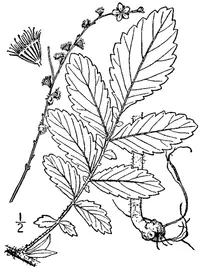
In early spring, gently mound 1–2 cm of mineral soil (not mulch) around the plant base to encourage new basal shoots, resulting in denser, more self-supporting clumps.

Manage self-seeding

If you want a controlled colony instead of random spread, shear off seed spikes once 50–70% of the flowers fade, but leave a few spikes to mature where you want natural reseeding.

Support in rich soils

In very fertile or irrigated beds, install low, unobtrusive ring supports or short stakes before stems reach 20–30 cm tall to prevent lodging in wind and heavy rain.

Plan for seasonal dieback

Mark clump locations with discreet labels before frost, then cut back dry stems to 5–8 cm in late fall or very early spring so crowns are protected while still easy to find when caring for soft agrimony over time.

Common Pests and Diseases

Leaf spot

This disease causes small dark or tan lesions on leaves that may merge into larger irregular patches and lead to premature leaf drop in midsummer.

Solution

Remove and discard affected leaves, avoid overhead watering, and maintain good spacing to improve air circulation; in persistent cases on valuable plantings, a copper- or chlorothalonil-based fungicide labeled for ornamental perennials can be applied according to label directions.

Rust

This disease produces orange to brown powdery pustules on the underside of leaves, sometimes with yellowing on the upper surface and gradual weakening of the plant.

Solution

Cut off and dispose of infected leaves and any plant debris at the end of the season, reduce crowding around plants to lower humidity, and use a sulfur or copper fungicide at the first signs of infection if cultural measures are not enough.

Powdery mildew

This disease appears as a white, dusty coating on upper leaf surfaces and stems, which can cause leaf distortion and reduced vigor in dense or shaded stands.

Solution

Increase light and airflow by thinning nearby vegetation, avoid wetting foliage late in the day, and if needed apply a labeled powdery mildew fungicide or a potassium bicarbonate product at regular intervals until conditions dry.

Aphids

These insects cluster on young stems and leaf undersides, sucking sap, causing curling or distorted growth, and sometimes leaving sticky honeydew that can grow sooty mold.

Solution

Spray plants with a strong stream of water to dislodge colonies, encourage natural predators such as lady beetles, and use insecticidal soap or a light horticultural oil thoroughly on infested areas, repeating as needed to break the life cycle.

Leaf-feeding caterpillars

These insects chew irregular holes or edges in leaves and can defoliate sections of the plant during peak feeding periods in late spring or summer.

Solution

Hand-pick caterpillars where practical and remove nearby weedy hosts, and if damage is heavy apply a Bacillus thuringiensis (Bt) product targeted at young caterpillars, following label instructions and avoiding sprays when pollinators are active.

Interesting Facts

Midwestern woodland specialist

This species is native to eastern and central North America but shows its highest frequency in rich, open woodlands and woodland edges of the Midwest, where it often grows with oaks, hickories, and other deciduous trees.

Distinctive hairy foliage

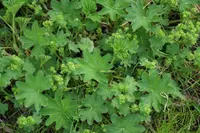
Unlike several related agrimony species, it has noticeably soft, spreading hairs on stems, leaves, and even flower stalks, a trait that helps distinguish it in the field and gives rise to the common name soft agrimony.

Bee and fly pollination

Its small yellow flowers produce accessible pollen and nectar that attract a range of short-tongued bees, syrphid flies, and small solitary bees, supporting diverse pollinator communities in lightly shaded habitats.

Botan icon

Did you know?

The hooked bristles on this species’ dry fruits latch onto fur, clothing, and feathers so effectively that it is considered a classic example of epizoochory, the dispersal of seeds by attachment to animals, in North American forest-edge plant communities.

FAQs about soft agrimony

This species spreads moderately by seed and short rhizomes, forming loose clumps rather than dense mats. It can self-seed, but is not usually aggressive if spent flower stalks are trimmed before seeds fully mature and drop.

Grow Healthy Plants with Botan Care

Keep your plants happy and healthy with plant identification, disease detection, and easy care guidance.

Botan plant care app — identify plants on mobile

Explore More Plants