Improve drainage zone
In heavy or compact soils, plant on a low mound of gritty substrate 5–10 cm above grade so the crown stays dry in winter and does not rot.

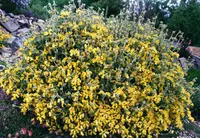
Phlomis lanata, commonly called woolly Jerusalem sage, is a compact, evergreen subshrub from dry, rocky habitats in the eastern Mediterranean. It forms dense mounds of small, grey-green, felted leaves that help reduce water loss and give the plant a distinctive woolly look.
In late spring to summer it carries tiered whorls of soft yellow flowers on short, sturdy stems, attracting bees and other pollinators. The plant is adapted to hot, sunny, windy sites and poor, stony soils, which makes it well suited to low-maintenance, drought-tolerant gardens.
Because it dislikes heavy, wet ground and shade, good drainage and a bright position are important if you want to care for Phlomis lanata successfully.

Care Difficulty
Easy Care

Light Preference
Full Sun

Water Requirements
Low Water

Temperature Preference
Warm Climate

Hardiness Zone
8–10

Soil Texture
Sandy, Loamy, Rocky

Soil pH
Slightly alkaline (7.0–7.5), Alkaline (7.5–8.5)

Soil Drainage
Well-drained

Fertilization
Minimal (feed rarely)
Scan your plant to receive care tips personalized for your specific plant
Available on iOS and Android
This compact Mediterranean shrub needs strong light and thrives in open, exposed sites.
This drought-adapted shrub prefers infrequent, deep watering once established.
This species is adapted to warm, dry climates and copes well with both summer heat and moderate winter cold.
This Mediterranean shrub tolerates low indoor humidity and usually does not need special moisture control.
This species prefers lean, mineral, sharply drained soil that dries quickly after rain or watering.
This species is suitable for container growing in sunny, dry, exposed positions.
This drought-tolerant shrub needs minimal feeding when grown in reasonably fertile, well-drained soil.
Pruning keeps this compact shrub tidy and supports flowering on healthy wood.
This species is more often grown in the ground, but young plants or nursery stock may need occasional transplanting.
This shrub is commonly propagated by semi-ripe cuttings and sometimes by seed for new plantings.
This Mediterranean shrub is fairly cold hardy in mild climates and usually needs little winter attention in the ground.

Plant Health Check
Not sure what's wrong with your plant? Check your plant's health inside the app.
This species naturally forms a compact, mound-like shrub rarely exceeding 50 cm, adapted to withstand strong coastal winds on exposed Greek islands.
The dense, woolly hairs on its small grey-green leaves help reflect intense Mediterranean sunlight and reduce water loss in dry, rocky habitats.
It produces bright yellow flowers in distinct whorls stacked along the stems, creating tiered rings that are highly attractive to bees and other pollinators in late spring and early summer.

Phlomis lanata is endemic to the Aegean region, meaning it occurs naturally only in a restricted area of the eastern Mediterranean, particularly on islands such as Crete, where it is a characteristic element of the local phrygana shrubland vegetation.
This shrub is highly attractive to bees and many other pollinating insects, especially in dry, sunny gardens. Its tubular yellow flowers provide abundant nectar, supporting pollinator activity over a long summer flowering period.
Keep your plants happy and healthy with plant identification, disease detection, and easy care guidance.