Nuttall's Acmispon Care (Acmispon prostratus)

Nuttall's Acmispon

About Nuttall's Acmispon

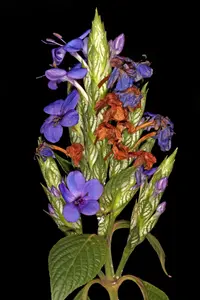
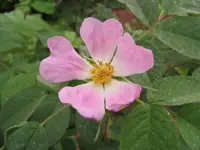
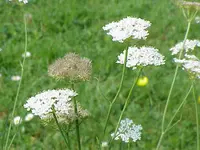
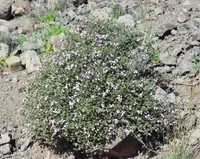
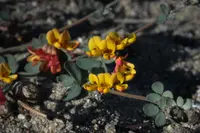
Nuttall's acmispon (Acmispon prostratus) is a low-growing, mat-forming legume native to coastal areas of southern California and Baja California. It often grows in sandy or rocky soils near the ocean. The plant has fine, small leaflets and produces delicate yellow to orange pea-like flowers that attract pollinators. Its prostrate habit makes it useful as a groundcover in dry, well-drained sites. As a legume, it can fix nitrogen, which supports growth in poor soils and reduces fertilizer needs. Gardeners who want to care for Nuttall's Acmispon should provide sun, fast-draining soil, and avoid excessive summer watering.

Main Plant Requirements

Care Difficulty

Easy Care

Light Preference

Full Sun

Water Requirements

Low Water

Temperature Preference

Warm Climate

Hardiness Zone

9–11

Soil Texture

Sandy, Loamy, Rocky

Soil pH

Slightly acidic (6.5–7.0), Neutral (7.0)

Soil Drainage

Well-drained

Fertilization

Minimal (feed rarely)

Get Personalized Care Plan

Scan your plant to receive care tips personalized for your specific plant

Available on iOS and Android

How to Care for the Nuttall's Acmispon

This coastal legume prefers bright, open conditions with protection from the harshest afternoon sun.

  • Provide 6–8 hours of direct sun, ideally with morning sun and light afternoon shade in hotter inland sites.
  • Tolerates light partial shade (3–4 hours sun), but flowering and compact growth decline if shaded for most of the day; stems may stretch and foliage thins.
  • In very hot, dry summers, Nuttall's Acmispon benefits from filtered light or brief afternoon shade to reduce leaf scorch and stress.

This drought-tolerant groundcover prefers infrequent, deep watering rather than frequent, shallow drinks.

  • Allow the top 5–7 cm of soil to dry before watering; established plants in the ground often need only occasional soaking during extended dry spells.
  • Use sharply drained, sandy or rocky soil so water does not pool around roots; standing water or heavy clay greatly increases root rot risk.
  • Signs of overwatering include yellowing, soft stems, and dieback from the crown, while severe leaf drop and crisp tips suggest the soil has stayed dry too long for Acmispon prostratus.

This species is adapted to mild coastal climates and prefers moderate temperatures year-round.

  • Optimal growth occurs around 60–75°F (16–24°C), typical of many Mediterranean-type coastal regions, especially with good air movement.
  • Tolerates brief drops to about 25–28°F (−4 to −2°C), but repeated hard frosts can damage foliage and young stems; mulch can buffer root temperatures.
  • Handles dry heat up to 90–95°F (32–35°C) if soil is not waterlogged, but prolonged extreme heat with drought may cause summer dormancy or tip dieback.

This coastal legume tolerates a wide humidity range and rarely needs special humidity control.

  • Performs well at 30–60% humidity, similar to typical indoor and outdoor air in dry regions.
  • Tolerates dry air without leaf drop, but prolonged hot, very dry winds can scorch foliage tips.
  • Humidity stress shows as crisp, browned leaflet edges rather than wilting or soft growth.
  • In very arid sites, lightly mist surrounding gravel or nearby surfaces rather than the foliage to raise local humidity slightly.

Acmispon prostratus prefers lean, fast-draining soil that mimics sandy coastal habitats.

  • Use sandy or gravelly loam with plenty of mineral content and only light organic matter to prevent waterlogging.
  • Ensure sharp drainage by blending 40–60% coarse sand or fine gravel with native soil or a low-peat cactus mix.
  • Aim for slightly acidic to slightly alkaline conditions, about pH 6.0–8.0, which this species tolerates well.
  • Avoid heavy clay, compacted beds, or mixes high in peat or manure, which hold water and reduce root aeration.

This species can grow successfully in containers when drainage and low fertility are maintained.

  • Choose a wide, shallow pot to match its prostrate habit and allow lateral spread of stems and roots.
  • Use a very free-draining cactus or succulent mix amended with extra coarse sand or small gravel for stability on exposed balconies.
  • Raise the container on feet or bricks so water clears quickly from drainage holes after rain or irrigation, preventing crown rot at the soil line.

This coastal legume generally needs minimal feeding in the ground, but light fertilization can support growth in poor soils or containers when caring for Nuttall's Acmispon.

  • Use a low-dose balanced NPK fertilizer or thin layer of compost in early spring to support new growth.
  • Feed container plants every 6–8 weeks in the growing season at 1/2–1/4 strength to avoid salt buildup.
  • Avoid fertilizing during summer drought dormancy or winter, when growth is slow or paused.
  • Rinse containers occasionally with plain water to flush accumulated salts and protect sensitive roots.

Pruning Acmispon prostratus is mainly about light shaping and removing damaged material rather than heavy cutting.

  • Carry out pruning in late winter or very early spring before strong new growth starts.
  • Remove dead, diseased, or storm-damaged stems first, then thin crowded or tangled shoots.
  • Trim back overly long, sprawling stems to maintain a low, even mat and encourage branching.
  • Use clean, sharp scissors or hand pruners and make small cuts to avoid tearing the slender stems.

This species is more often used as a groundcover outdoors, so transplanting in the landscape is more common than repotting long term.

  • Transplant in late winter or early spring, once soil is workable and before intense heat or drought.
  • Look for roots circling the container, slowed growth, or frequent drying as signs a nursery plant needs a larger spot.
  • Lift the plant carefully, loosen circling roots gently, and set into a well-drained, sandy site at the same depth.
  • Water thoroughly after planting, then reduce watering as roots establish, avoiding waterlogged conditions that stress this coastal legume.

Propagation of Acmispon prostratus is usually done by seed, with cuttings or natural layering sometimes used for specific forms.

  • Sow fresh seed in late fall or early spring in a very well-drained, sandy mix, kept just slightly moist.
  • Scarify hard seeds lightly with sandpaper or brief hot-water soaking to improve germination.
  • Provide bright light, good air movement, and cool to mild temperatures for healthy seedlings.
  • For vegetative propagation, pin flexible stems to the soil for layering or root soft tip cuttings in a gritty medium.

This coastal native is generally hardy in mild, frost-prone climates and usually needs little active winter care in the ground.

  • In areas with occasional light frost, a thin mulch layer (2–5 cm) helps buffer soil temperature around the root zone.
  • Avoid heavy, waterlogged soils in winter, which increase root rot risk more than cold itself.
  • Move container plants under cover or against a sheltered wall during freezes to limit root and foliage damage.

Care Tips

Surface root protection

Avoid deep cultivation or frequent raking around the plant, and instead use a thin gravel or coarse sand mulch to protect its shallow roots while still keeping the crown dry.

Controlled spreading edges

Use pavers, rocks, or low edging to define planting areas so the matting stems can drape rather than be stepped on, which reduces breakage and keeps the groundcover dense and even.

Low‑input weed control

Hand-weed early and regularly during the first 1–2 seasons, targeting perennial weeds before they intertwine with stems so the colony can close over the soil and suppress later weed growth with minimal disturbance.

Salt and wind tolerance use

Site this species where it can act as a living buffer in exposed, coastal, or roadside spots, allowing it to intercept wind and light salt spray while pairing it with other tolerant natives behind it.

Targeted pest monitoring

Inspect stems and leaf undersides a few times each growing season for aphids or leaf-chewing insects, and if needed use a focused blast of water or a narrow-range horticultural soap rather than broad-spectrum insecticides when caring for Nuttall's Acmispon.

Common Pests and Diseases

Seedling damping off

This disease causes young seedlings to collapse at the soil line and die shortly after germination, especially in cool, wet conditions. Symptoms include water-soaked, constricted stems and patchy gaps in seedling stands.

Solution

Use fresh, well-draining sandy substrate and avoid overwatering during germination, keeping the surface just barely moist. Discard affected seedlings, increase light and airflow, and if starting many plants, pre-sterilize containers and consider a light dusting of clean, dry sand over sown seed to reduce surface moisture around stems.

Powdery mildew

This disease appears as white, powdery patches on leaves and young stems, more often when coastal fog or overhead irrigation keeps foliage damp but air is not moving well. Symptoms include slowed growth, yellowing, and premature leaf drop in severe cases.

Solution

Improve air circulation, water at soil level rather than overhead, and avoid dense planting around the mat-forming stems. Remove heavily infected material and, if needed, use a sulfur or potassium bicarbonate-based fungicide labeled for ornamentals, applied in cool, calm weather.

Aphids

These insects cluster on tender shoots and flower stems, sucking sap and excreting sticky honeydew that can attract sooty mold. Symptoms include curling or distorted new growth and reduced flowering on this low coastal legume.

Solution

Spray colonies off with a firm stream of water and pinch back heavily infested shoot tips. Encourage or introduce natural enemies such as lady beetles, and if populations persist, use insecticidal soap or a light horticultural oil, making sure to coat the undersides of stems and avoiding treatment during high heat.

Spider mites

This pest becomes more common when coastal plants are grown in hotter, drier inland sites, causing fine stippling on leaves and eventual bronzing or leaf drop. Symptoms include very fine webbing on stems and between leaflets when populations are high.

Solution

Increase humidity around plants grown inland by grouping containers and using occasional gentle hose rinses to disrupt mites. For persistent infestations, use insecticidal soap or a light horticultural oil directed to the undersides of leaves, repeating as needed while monitoring for beneficial predatory mites.

Interesting Facts

California coastal specialist

This low, mat-forming legume is naturally restricted to coastal southern California and northern Baja California, where it grows on sandy bluffs, dunes, and maritime scrub exposed to salt-laden winds.

Nitrogen-fixing groundcover

Like many members of the legume family, it hosts symbiotic bacteria in root nodules that convert atmospheric nitrogen into forms usable by plants, helping enrich nutrient-poor coastal soils.

Support for native pollinators

Its small, yellow to orange pea-like flowers provide nectar and pollen for native bees and other insects adapted to dry, coastal habitats, contributing to local pollinator networks.

Botan icon

Did you know?

Acmispon prostratus is considered a rare taxon in much of its native range because coastal development and habitat fragmentation have eliminated many historical populations, leading to conservation attention for its remaining natural stands.

FAQs about Nuttall's Acmispon

This species forms a low, prostrate mat that spreads gradually by branching stems, not by underground runners. It usually stays well contained, making it suitable as a small-scale ground cover between rocks or in dry borders.

Grow Healthy Plants with Botan Care

Keep your plants happy and healthy with plant identification, disease detection, and easy care guidance.

Botan plant care app — identify plants on mobile

Explore More Plants