Encourage Compact Form
Pinch back soft shoot tips after flowering to keep plants low, dense, and better able to withstand wind exposure on rocky or coastal sites.

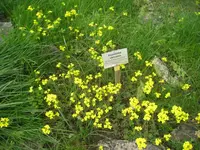
Bladderpod (Alyssoides utriculata) is a small, perennial herb from rocky, dry slopes and open scrub in southern Europe. It forms low, compact clumps with narrow gray-green leaves and showy yellow flowers followed by inflated, bladder-like seed pods. The plant is adapted to poor, well-drained, often calcareous soils and tolerates drought once established, which makes it suitable for rock gardens and troughs. It prefers full sun and avoids waterlogged conditions, so good drainage is essential if you care for Bladderpod in cultivation. Overall it is a relatively undemanding plant when its need for sun and dry, lean soil is respected.

Care Difficulty
Easy Care

Light Preference
Full Sun

Water Requirements
Low Water

Temperature Preference
Cold Hardy

Hardiness Zone
5–8

Soil Texture
Sandy, Loamy, Rocky

Soil pH
Slightly acidic (6.5–7.0), Slightly alkaline (7.0–7.5)

Soil Drainage
Well-drained

Fertilization
Minimal (feed rarely)
Scan your plant to receive care tips personalized for your specific plant
Available on iOS and Android
This sun-loving Mediterranean perennial performs best in bright, open sites with lean, well-drained soil.
This drought-tolerant species prefers infrequent, deep watering and dry intervals between soakings.
This species is adapted to rocky, continental climates with cool winters and warm, dry summers.
This species tolerates a wide humidity range and usually does not need special humidity management indoors or outdoors.
This species prefers mineral, sharply drained soil that mimics rocky slopes.
This species can grow in containers if the pot is prepared to mimic its dry, rocky habitat.
This drought-tolerant perennial from rocky habitats needs only light feeding in cultivation.
Alyssoides utriculata benefits from modest pruning to maintain a compact, flowering mound.
This species is usually grown in rock gardens or dry borders, so focus on transplanting rather than frequent repotting.
Propagation of this plant is most reliable from seed under dry, sunny conditions.
This rock-garden perennial is generally cold hardy in temperate climates and needs minimal winter care in the ground.

Plant Health Check
Not sure what's wrong with your plant? Check your plant's health inside the app.
This species forms inflated, papery seed pods that resemble tiny bladders, which is the origin of its common name bladderpod. The pods dry to a pale, lantern-like structure that helps protect and disperse the seeds.
It naturally grows on rocky screes, limestone cliffs, and rubble slopes in southern Europe, anchoring itself in very shallow, stony soils. This habitat preference makes it unusually tolerant of drought and high light compared with many other brassicas.
The leaves are covered in fine, pale hairs that give the plant a grayish or silvery appearance. These hairs reflect strong sunlight and reduce water loss, an adaptation to its exposed, dry mountain habitats.

The species has been used in rock garden breeding and selection programs because its compact, cushion-forming habit and showy, long-lasting bladder-like seed pods provide both structural interest and extended seasonal display beyond the flowering period.
This species is very attractive to bees and other small pollinating insects, which visit the yellow flowers for nectar and pollen. In suitable climates, it can support local pollinator populations over a long blooming period.
Keep your plants happy and healthy with plant identification, disease detection, and easy care guidance.