Bulb Lifting Cycle
In heavier or poorly drained soils, lift and divide clumps every 3–4 years in late summer after foliage dies back, then replant only the firm, healthy bulbs to maintain flowering quality.

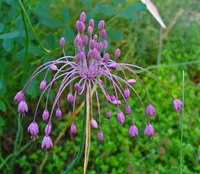
Keeled garlic, Allium carinatum, is a small bulb-forming perennial in the onion family, grown mainly for its delicate, nodding flower heads. It forms narrow, grassy leaves and slender stems tipped with loose clusters of pink to purple florets that often lean or twist, giving the plant a light, airy look.
This species occurs naturally in parts of central and southern Europe, often in open, sunny grasslands and rocky slopes. It is generally easy to grow in well-drained soil and suits informal borders, rock gardens, and naturalistic plantings. Gardeners who learn how to care for Keeled Garlic usually find it a reliable, low-maintenance ornamental bulb.

Care Difficulty
Easy Care

Light Preference
Full Sun

Water Requirements
Moderate Water

Temperature Preference
Cold Hardy

Hardiness Zone
4–9

Soil Texture
Sandy, Loamy, Rocky

Soil pH
Acidic (5.5–6.5), Slightly acidic (6.5–7.0)

Soil Drainage
Well-drained

Fertilization
Minimal (feed rarely)
Scan your plant to receive care tips personalized for your specific plant
Available on iOS and Android
Allium carinatum performs best in bright, open conditions typical of sunny borders or rock gardens.
Allium carinatum prefers evenly moist but free-draining soil, especially during active growth and flowering.
This bulb is hardy and adapts well to temperate climates with cool winters and warm summers.
Allium carinatum tolerates a wide humidity range and usually does not need special humidity control in typical home or outdoor conditions.
Allium carinatum prefers light, free-draining soil that prevents water from sitting around the bulbs.
This species is well suited to container growing when drainage and bulb depth are managed carefully.
Allium carinatum benefits from light, targeted feeding but does not need heavy fertilization for good flowering.
Pruning needs for Allium carinatum are minimal and mainly focused on tidiness and bulb health.
This species is more often transplanted in beds than grown as a long-term container plant.
Allium carinatum is commonly propagated by division of bulbs and by seeds where naturalizing is desired.
This bulb is generally cold hardy in temperate climates and often needs little specific winter care in the ground.

Plant Health Check
Not sure what's wrong with your plant? Check your plant's health inside the app.
The flower head forms a loose, drooping umbel with long, threadlike stalks that twist slightly, giving the inflorescence a distinctive, fountain-like appearance compared with most other ornamental alliums.
The species name carinatum refers to the keeled, boat-shaped spathe bracts that enclose the flower head before it opens, a key diagnostic feature used by botanists to separate it from similar Allium species.
This species often produces both true seeds and small aerial bulbils in the flower head, allowing it to spread by sexual reproduction and vegetative cloning under suitable conditions.

In parts of central and southern Europe, this species has become naturalized along field margins and dry grasslands, where its late-summer bloom period provides nectar for bees and other pollinators after many earlier wildflowers have finished flowering.
Lack of flowers usually comes from insufficient sunlight, overcrowded bulbs, or nutrient-poor soil. Divide congested clumps every few years, avoid deep planting, and ensure it receives enough light and moderate fertility to support bud formation.
Keep your plants happy and healthy with plant identification, disease detection, and easy care guidance.