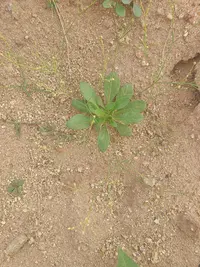
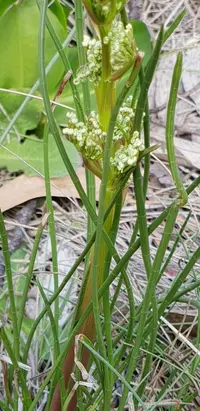
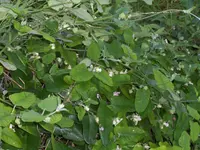
hairy white oldfield aster Care (Symphyotrichum pilosum)

Also known as: frost Michaelmas-daisy, frost aster, Heath Aster
hairy white oldfield aster

About hairy white oldfield aster

Hairy white oldfield aster, Symphyotrichum pilosum, is a hardy perennial wildflower in the aster family. It forms loose clumps or patches with many slender, branching stems.

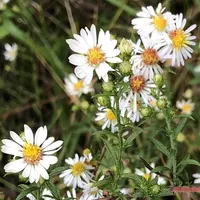
Plants carry narrow leaves and produce numerous small white daisy-like flower heads with yellow centers, usually in late summer and fall. The overall effect is airy and informal rather than dense or compact.

Symphyotrichum pilosum is native to North America and commonly appears in old fields, roadsides, and open meadows. It tolerates poor, dry soils and neglect, which makes it easy for gardeners to care for hairy white oldfield aster.

The plant generally prefers full sun, moderately drained soil, and light to average moisture but adapts well to a range of typical garden conditions.

Main Plant Requirements

Care Difficulty

Easy Care

Light Preference

Full Sun

Water Requirements

Moderate Water

Temperature Preference

Cold Hardy

Hardiness Zone

3–8

Soil Texture

Sandy, Loamy, Clay

Soil pH

Acidic (5.5–6.5), Slightly acidic (6.5–7.0)

Soil Drainage

Well-drained

Fertilization

Minimal (feed rarely)

Get Personalized Care Plan

Scan your plant to receive care tips personalized for your specific plant

Available on iOS and Android

How to Care for the hairy white oldfield aster

This North American native aster thrives in full sun but copes with light shade in many garden settings.

  • Provide 6–8 hours of direct sun daily; flowering is heaviest with open exposure and unshaded midday light.
  • Hairy white oldfield aster tolerates partial shade, but in less than 4–5 hours of sun expect fewer, more stretched stems and reduced bloom density.
  • In hot summers, morning sun with light afternoon shade reduces drought stress; avoid dense shade, which leads to weak, floppy growth and poor autumn flowering.

This prairie-edge species prefers soil that dries slightly between waterings rather than constantly moist conditions.

  • In the ground, water only when the top 3–5 cm of soil feels dry and stems begin to look slightly less turgid, especially during the first growing season.
  • Use well-drained soil; puddling for more than 30–40 minutes after watering indicates poor drainage and raises risk of root rot and stem yellowing.
  • Reduce watering frequency once Symphyotrichum pilosum is established; in cool or rainy periods, withhold water unless foliage wilts and soil is dry below the surface.

This hardy perennial tolerates a wide temperature range typical of temperate climates.

  • Active growth and bud formation occur best at 65–80°F (18–27°C), with sturdy stems and good branching in these conditions.
  • Established plants survive winter cold to about -30°F (-34°C) when planted in the ground, going fully dormant and resprouting in spring.
  • During summer heat above 90°F (32°C), flowering may pause; maintain soil moisture and mulch around the crown to buffer root temperatures and reduce stress.

This species is adapted to outdoor conditions and does not have specific humidity demands in cultivation.

This perennial prefers moderately fertile, well-drained mineral soil for sturdy growth.

  • Use a sandy or loamy base with some compost to provide structure while avoiding waterlogging.
  • Aim for slightly acidic to neutral pH, around 6.0–7.0, which suits Symphyotrichum pilosum in most garden settings.
  • Blend coarse sand or fine gravel through heavy or clay soil to increase aeration and drainage around the roots.
  • Avoid compacted, poorly drained, or constantly saturated sites, which encourage root rot and weak, floppy stems.

This aster can grow in containers if the pot is large and stable enough for its spreading habit.

  • Choose a wide, relatively deep container to accommodate its fibrous roots and reduce tipping in windy conditions.
  • Use a heavier pot material such as ceramic or clay when placing containers in exposed sites to increase stability.
  • Set containers where excess runoff can drain freely, as this plant dislikes prolonged saturation around the root zone.

Symphyotrichum pilosum is a low-input native perennial that only needs light feeding on poor soils to flower well.

  • Use a balanced, slow-release fertilizer (such as 10-10-10) or a thin layer of compost in early spring if growth seems weak.
  • Apply once at the start of the growing season; additional feeding is rarely necessary for hairy white oldfield aster in garden soil.
  • Dilute liquid fertilizers to 1/2 strength and water in well to avoid root burn, especially in containers.
  • Stop fertilizing in late summer so new growth can harden off before winter dormancy.

Pruning Symphyotrichum pilosum helps manage height, prevent flopping, and maintain dense flowering stands.

  • In late spring or early summer, shear or pinch back stem tips by 1/3 to encourage bushier growth and more flower stems.
  • Remove dead, damaged, or crossing stems at the base with clean hand pruners to improve air flow and reduce disease risk.
  • After flowering, cut back spent stems to 10–15 cm to tidy the clump, or leave some for wildlife and winter interest.
  • Disinfect blades between plants if disease is present to avoid spreading pathogens.

This species is usually grown in ground plantings, so care focuses on dividing and transplanting clumps rather than frequent repotting.

  • Transplant or divide Symphyotrichum pilosum in early spring or early fall when temperatures are mild and soil is moist.
  • Lift crowded clumps every 3–4 years, especially if centers die out or flowering declines, then replant vigorous outer sections.
  • If container-grown, check for roots circling the pot or water running off quickly; shift to a container 1–2 in wider when needed.
  • Reduce root stress by watering thoroughly before digging, handling roots gently, and shading or watering well for several days after transplanting.

Symphyotrichum pilosum is commonly propagated by division and by seed to expand naturalistic plantings.

  • Divide established clumps in early spring or early fall, replanting firm, healthy sections into prepared, well-drained soil.
  • Sow fresh seeds in fall outdoors; natural winter chilling improves germination in spring.
  • For controlled sowing, cold-stratify seeds in a refrigerator for 4–6 weeks, then surface-sow under bright light.
  • Maintain evenly moist, not waterlogged, soil during rooting or germination, and thin seedlings to prevent overcrowding.

This species is a cold-hardy perennial that usually needs minimal winter care in typical USDA temperate climates.

  • Symphyotrichum pilosum tolerates freezing temperatures; roots overwinter even when stems die back to ground level.
  • In colder regions, apply a 5–8 cm layer of mulch after the ground cools to moderate soil temperature and moisture.
  • For container-grown plants in very cold areas, move pots to a sheltered, unheated space or insulate containers around the root zone.

Care Tips

Early-season thinning

In late spring, thin crowded first-year shoots so stems stand 10–15 cm apart, which improves airflow and reduces mildew and rust issues later in the season.

Timed pinch-back

Pinch or cut back stems by 5–10 cm once in early summer before buds form to create bushier plants with more flowering stems and better resistance to wind lodging.

Selective staking clusters

Instead of staking individual stems, use one or two discreet ring supports or soft twine around small groups of stems in exposed sites to keep tall plants upright without looking messy.

Self-seeding control

Right after peak bloom, shear off or deadhead most seed heads while leaving a few at the back of a border, which prevents aggressive spread but preserves natural reseeding for future plants.

Targeted spring division

Every 3–4 years, dig and divide only the densest central clumps in early spring, replanting vigorous outer sections and discarding weak centers to maintain healthy, floriferous stands when caring for hairy white oldfield aster.

Common Pests and Diseases

Aster yellows

This disease causes yellowing, stunted, bushy growth and deformed, greenish blooms that never color properly. Symptoms include distorted stems and flowers that may fail to set viable seed.

Solution

Remove and destroy any plants showing clear aster yellows symptoms, including roots, since the disease cannot be cured. Control leafhopper vectors by encouraging natural predators, avoiding overhead irrigation that splashes insects around, and using floating row covers on young plants in high-risk areas to reduce infection when planning Symphyotrichum pilosum care instructions outdoors.

Powdery mildew

This disease appears as white, powdery patches on leaves and stems, often late in the season or in crowded plantings. Symptoms include leaf yellowing, distortion, and early leaf drop under severe pressure.

Solution

Improve air circulation by thinning and spacing plants, and avoid frequent overhead watering. Remove and discard heavily infected leaves, then apply a sulfur or potassium bicarbonate fungicide labeled for ornamentals at the first sign of mildew if conditions stay humid.

Rust

This disease produces small yellow spots on upper leaf surfaces with orange to brown pustules on the undersides. Symptoms include premature leaf drop and a generally weakened clump, especially in humid or crowded sites.

Solution

Promptly remove and destroy affected leaves to reduce spore spread and avoid overhead irrigation that keeps foliage wet for long periods. Thin dense stands to increase airflow, and in severe, recurring cases use a labeled rust fungicide early in the season on susceptible plantings.

Leafhoppers

These insects are small, wedge-shaped, and jump when disturbed, feeding on sap and causing pale stippling or yellowing on leaves. This pest can also transmit aster yellows, making even light feeding a concern.

Solution

Reduce grassy weeds and dense adjacent vegetation that harbor leafhoppers, and hose plants occasionally to dislodge nymphs from stems and leaves. In larger infestations, use insecticidal soap or a low-impact pyrethrin product in the evening, coating leaf undersides while avoiding open blooms visited by pollinators.

Aphids

These insects cluster on tender stems, buds, and leaf undersides, sucking sap and excreting sticky honeydew that can attract sooty mold. Symptoms include curled or distorted young growth and reduced flowering on stressed plants.

Solution

Spray plants with a firm stream of water to knock aphids off and repeat every few days as needed. Encourage lady beetles and other predators, and, if populations remain high, use insecticidal soap or horticultural oil directed at colony sites, avoiding high heat and full midday sun during application.

Interesting Facts

Clonal autumn carpets

This species often spreads through creeping rhizomes, forming large clonal patches that can create dense, white-flowering carpets in late summer and fall across old fields and roadsides.

Late-season pollinator magnet

Its numerous small white ray florets and yellow disk florets provide one of the more reliable late-season nectar and pollen sources for native bees, flies, and butterflies in eastern North America.

High tolerance for disturbance

Hairy white oldfield aster is particularly associated with disturbed habitats such as fallow agricultural land, railways, and roadsides, where it quickly colonizes open, dry, and nutrient-poor soils.

Botan icon

Did you know?

Genetic and morphological studies have shown that what was once lumped under a single oldfield aster name actually contains several closely related taxa, and this species was reclassified from the genus Aster to Symphyotrichum as part of a major revision of North American asters based on detailed evolutionary research.

FAQs about hairy white oldfield aster

This species spreads readily by both seed and short rhizomes. In open, disturbed, or lean soils it can become quite dominant. Regular deadheading and occasional division help keep clumps in bounds and prevent excessive self-seeding when growing hairy white oldfield aster.

Grow Healthy Plants with Botan Care

Keep your plants happy and healthy with plant identification, disease detection, and easy care guidance.

Botan plant care app — identify plants on mobile

Explore More Plants