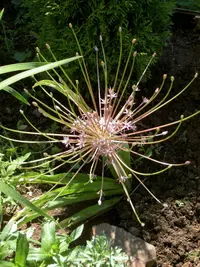
Crown imperial Care (Fritillaria imperialis)

Also known as: Crown imperial, Kaiser's crown
Crown imperial

About Crown imperial

Crown imperial (Fritillaria imperialis) is a bulbous spring-flowering plant grown for its tall stems topped with a ring of nodding, bell-shaped flowers and a tuft of foliage. It forms clumps over time and dies back after flowering, resting as an underground bulb until the next season.

In the wild it occurs in parts of the Middle East and western Asia, often on rocky slopes and open hillsides. The bulbs dislike disturbance and can be prone to rotting in poorly drained or heavy soils, which can make it slightly challenging for beginners.

Those who care for Crown imperial should provide sun, moderately fertile but well-drained soil, and protection from waterlogging to keep the bulbs healthy over several years.

Main Plant Requirements

Care Difficulty

Moderate Care

Light Preference

Full Sun

Water Requirements

Moderate Water

Temperature Preference

Cold Hardy

Hardiness Zone

5–8

Soil Texture

Sandy, Loamy, Organic-rich

Soil pH

Slightly acidic (6.5–7.0), Neutral (7.0)

Soil Drainage

Well-drained

Fertilization

Light (every 4–6 weeks)

Get Personalized Care Plan

Scan your plant to receive care tips personalized for your specific plant

Available on iOS and Android

How to Care for the Crown imperial

This bulb prefers bright conditions with cool roots and steady spring light for strong flowering.

  • Provide 6–8 hours of sun daily in spring, ideally with morning sun and light afternoon shade to prevent scorched foliage and faded blooms.
  • Site Crown imperial where the flowers and stems get full sun but the bulb base is shaded by low groundcovers or mulch to keep soil cooler.
  • In hotter climates, choose a spot with filtered afternoon light; in deep shade, stems stretch, flop, and flowering is greatly reduced.

This bulb needs consistent but not saturated moisture during active growth, then much drier conditions in summer dormancy.

  • In spring, water when the top 3–5 cm of soil feel dry, aiming for evenly moist soil that never stays soggy to avoid bulb rot.
  • Ensure sharp drainage with gritty or sandy soil; after flowering, gradually reduce watering as foliage yellows and stop once the plant has fully died back.
  • During summer dormancy, allow soil to dry almost completely between natural rains; persistent wetness around Fritillaria imperialis bulbs is the main cause of failure.

This spring-flowering bulb prefers cool to mild conditions and tolerates significant winter cold when planted at the correct depth.

  • Optimal growth and flowering occur in 50–65°F (10–18°C) spring weather; cool nights help maintain sturdy stems and long-lasting blooms.
  • Dormant bulbs tolerate winter cold down to about 0°F (−18°C) in well-drained soil; in colder regions, deeper planting and mulch improve survival.
  • The plant dislikes extreme heat; prolonged periods above 85°F (29°C) can stress bulbs, so ensure soil does not bake and allow a dry, coolish summer rest.

Humidity is not a critical factor for Fritillaria imperialis, which handles typical outdoor conditions well.

Fritillaria imperialis requires deep, well-aerated, fast-draining soil to keep bulbs from rotting.

  • Use a loose, sandy or loamy structure enriched with moderate organic matter, not heavy, compacted ground.
  • Aim for slightly acidic to neutral pH, around 6.0–7.0, which supports nutrient availability and root health.
  • Blend garden soil with sharp sand or grit plus compost to improve both drainage and moisture retention balance.
  • Avoid waterlogged areas, dense clay, or spots where winter moisture lingers, as this quickly leads to bulb decay.

This species can be grown in containers if the pot setup prevents bulb rot and tipping.

  • Choose a deep, heavy container that resists wind tipping and provides room for the tall, top-heavy stems above the bulbs.
  • Fill the pot with a very free-draining mix, such as loam-based compost plus coarse grit, leaving the top few cm for dry mulch.
  • Raise the container on pot feet or bricks outdoors so drainage holes stay clear and excess water escapes rapidly after rain.

Fritillaria imperialis benefits from modest feeding to support strong bulbs and flowering.

  • Apply a balanced granular or slow-release fertilizer (around 10-10-10) at planting and again in early spring as shoots emerge.
  • Use a light application rate, about half the label dose, to avoid burning the bulbs and roots.
  • Supplement with a thin layer of compost around the planting area to improve soil structure and steady nutrient supply.
  • Stop feeding once foliage begins to yellow and the plant enters dormancy; do not fertilize dry, dormant bulbs.

Pruning needs for Fritillaria imperialis are minimal and mainly focus on post-flowering cleanup.

  • In late spring, remove only the spent flower stems at the base with clean, sharp pruners, leaving green leaves intact.
  • Allow foliage to yellow and die back naturally, as this process feeds the bulb for next year’s blooms.
  • Cut away dead, diseased, or damaged leaves at ground level to limit fungal problems and maintain a tidy clump.
  • Avoid cutting healthy stems too early, which can weaken bulbs and reduce flowering in the following season.

Crown imperial is usually grown in garden beds, so transplanting bulbs matters more than container repotting.

  • Plan to lift and transplant bulbs every 3–5 years if flowering declines, clumps become crowded, or drainage worsens.
  • Schedule digging and replanting for late summer to early fall, when bulbs are dormant and foliage is fully dry.
  • Lift bulbs gently with a fork, keeping as many roots as possible, and handle them carefully to avoid bruising the scales.
  • Replant bulbs promptly in fresh, well-drained soil at the correct depth, then water lightly to settle soil and limit transplant shock.

Fritillaria imperialis is usually propagated by bulb division, with seed used mainly by patient growers or breeders.

  • Lift dormant bulbs in late summer and gently separate naturally formed offsets, keeping basal plates intact.
  • Replant offsets at the same depth as mature bulbs in well-drained soil and full sun to light shade.
  • Water newly planted divisions lightly but consistently until autumn rains, avoiding waterlogging that can rot bulbs.

Fritillaria imperialis is fairly cold hardy but benefits from some winter soil protection in colder climates.

  • In zones colder than about USDA 5, add a 5–8 cm layer of straw or leaf mulch over the bulb area after the ground cools.
  • Keep mulches loose and well-drained so bulbs do not sit in cold, wet soil that encourages rot.
  • Move container-grown bulbs into a cold, frost-free garage or shed, keeping soil just barely moist, not wet.

Care Tips

Planting depth check

Before planting, measure bulb height and set each bulb at a depth of roughly 2–3 times its height, then backfill firmly to prevent water pockets that can cause basal rot.


Tilted bulb positioning

When planting, set the bulb slightly on its side so the hollow crown does not fill with water, which reduces the risk of rot in heavy spring soils.

Sturdy stem support

In windy or exposed sites, insert discreet stakes at planting time and tie stems loosely with soft ties in spring to prevent top-heavy flowering stalks from snapping.

Mark and mulch zone

After foliage dies back, mark clump locations with durable labels and add a light, dry mulch so you do not disturb the dormant bulbs during summer cultivation or replanting.

Bulb renewal strategy

Every 3–4 years, lift and divide congested clumps in late summer once foliage is fully dry, replant only firm, healthy bulbs, and discard any soft or diseased ones to maintain vigor when growing Crown imperial.

Common Pests and Diseases

Lily beetle

This pest chews leaves, stems, and flower buds, leaving irregular holes and sometimes only the midribs. Adults are bright red beetles, while larvae are soft, slug-like and often hidden under their own dark droppings.

Solution

Hand-pick adults and larvae as soon as they appear and crush or drop them into soapy water, inspecting plants daily in spring. Remove egg clusters on leaf undersides, and if infestations are heavy, use a targeted insecticide labeled for lily beetles, applied according to label directions and timed to early beetle activity.

Bulb mite

These pests attack stored and in-ground bulbs, causing soft spots, poor sprouting, and stunted or distorted shoots. Symptoms include bulbs that feel spongy or crumbly at the base and plants that fail to emerge or collapse early.

Solution

Discard heavily infested bulbs and avoid reusing contaminated soil or storage containers. For prevention, cure and dry bulbs properly before storage, keep them in a cool, dry, well-ventilated place, and rotate planting sites to fresh, well-drained soil to reduce mite buildup.

Basal rot

This disease causes the basal plate and lower bulb scales to turn brown, soft, and often foul-smelling, leading to weak shoots or complete failure of emergence. Symptoms include yellowing foliage that collapses prematurely and bulbs that disintegrate when lifted.

Solution

Lift and destroy affected bulbs, along with surrounding plant debris, and do not compost them. Improve drainage with raised beds or coarse grit, avoid overwatering, dust healthy bulbs with a fungicidal bulb treatment before planting, and rotate plantings away from infected sites for several years as part of Fritillaria imperialis plant care.

Botrytis blight

This disease produces water-soaked lesions on leaves and stems that turn brown, sometimes with gray fuzzy mold in cool, damp weather. Symptoms include distorted growth and premature dieback of aboveground parts.

Solution

Remove and discard infected leaves and stems at once, and clean up all plant debris after foliage dies back. Provide good spacing and airflow, avoid overhead watering, and in areas with a history of botrytis, apply a preventive fungicide labeled for ornamental bulbs during prolonged wet periods.

Virus mosaic

This disease causes mottled, streaked, or distorted leaves and sometimes streaked flowers, with plants gradually becoming weak and less vigorous. Symptoms include irregular light and dark green patterns that do not match normal variegation.

Solution

Remove and destroy symptomatic plants and bulbs, as viruses cannot be cured once established. Control sap-sucking insects such as aphids that spread viruses, avoid using infected plant material for propagation, and disinfect cutting tools between plants to reduce transmission.

Interesting Facts

Crown of drooping bells

This species produces a ring of 6–8 pendent, bell-shaped flowers topped by a tuft of leaf-like bracts, creating the distinctive crown-and-tuft silhouette that gives rise to the name crown imperial.

Skunky bulb odor

The bulbs and foliage release a strong, fox- or skunk-like smell due to sulfur-containing compounds, which are thought to help deter rodents and some herbivores in the soil around the plant.

Early-season nectar source

Its flowers open in early to mid spring and provide accessible nectar and pollen for early-emerging pollinators such as bees at a time when relatively few other large, showy flowers are available.

Botan icon

Did you know?

Historical records show that this species was cultivated in European gardens by the 16th century and was depicted in paintings by artists such as Jan Brueghel the Elder, making it one of the earlier non-edible ornamentals to gain popularity in formal Renaissance gardens.

FAQs about Crown imperial

Lack of flowers usually comes from insufficient cold in winter, shallow planting, or depleted bulbs. Ensure bulbs experience a cold dormant period, sit 15–20 cm deep, and are grown in nutrient-rich, well-drained soil to support flowering.

Grow Healthy Plants with Botan Care

Keep your plants happy and healthy with plant identification, disease detection, and easy care guidance.


Botan plant care app — identify plants on mobile

Explore More Plants