sea squill Care (Drimia maritima)

sea squill

About sea squill

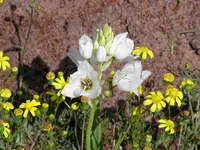
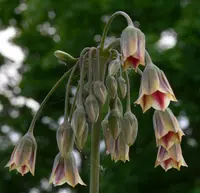
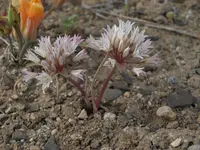
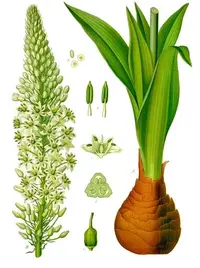
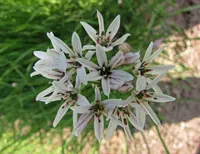
Sea squill, Drimia maritima, is a long-lived bulbous plant known for its large, onion-like bulb and tall, upright flower spikes. It grows from a single exposed bulb that can become very large over time.

This species is native to dry coastal regions around the Mediterranean, where it copes with hot summers and mild, wetter winters. Its narrow leaves appear mainly in cooler seasons, then die back as the tall white flower spike emerges.

The plant prefers sun, excellent drainage, and dry rest periods, which reflects its natural habitat. Once its needs are understood, it can be relatively low-maintenance, and learning how to care for sea squill focuses mainly on avoiding excess moisture and heavy soils.

Main Plant Requirements

Care Difficulty

Easy Care

Light Preference

Full Sun

Water Requirements

Low Water

Temperature Preference

Warm Climate

Hardiness Zone

8–10

Soil Texture

Sandy, Loamy, Rocky

Soil pH

Slightly acidic (6.5–7.0), Slightly alkaline (7.0–7.5)

Soil Drainage

Well-drained

Fertilization

Minimal (feed rarely)

Get Personalized Care Plan

Scan your plant to receive care tips personalized for your specific plant

Available on iOS and Android

How to Care for the sea squill

Drimia maritima thrives in bright, open sites that mimic its sunny Mediterranean habitat.

  • Provide 6–8 hours of direct sun daily; full sun is ideal, especially morning and midday exposure in cooler climates.
  • In very hot regions, give sea squill light afternoon shade or filtered sun to reduce scorch on leaves and flower stalks.
  • Avoid deep shade, which leads to weak, floppy growth; choose an open spot with only brief shade from nearby plants or structures.

Drimia maritima is a drought-tolerant bulb that prefers infrequent, deep watering and dry intervals.

  • Water only when the top 3–5 cm of soil are completely dry; in dry seasons this may mean every 1–3 weeks in the ground.
  • Use sharply drained, sandy or gritty soil so water runs through quickly; avoid low spots where water pools around the bulb.
  • Reduce or stop watering when foliage dies back and the bulb is dormant; soft, yellowing leaves and a mushy bulb indicate overwatering.

This species prefers warm, dry conditions and tolerates heat but is sensitive to hard frost.

  • Active growth is strongest at 65–80°F (18–27°C), similar to mild spring and early summer conditions in Mediterranean climates.
  • Mature bulbs often survive brief drops to about 25°F (-4°C) if soil is well drained, but repeated freezes can damage tissues.
  • In regions with colder winters than 25°F (-4°C), grow bulbs in a very well-drained, sheltered spot or lift and store them frost-free over winter.

Humidity is rarely critical for this drought-adapted bulb and typical indoor levels are acceptable.

This Mediterranean bulb prefers very free-draining, mineral-based soil that prevents water from sitting around the bulb.

  • Use a gritty, sandy mix such as 50–70% coarse sand or grit blended with a lean cactus or succulent substrate.
  • Ensure water drains through in seconds; excess moisture around the bulb quickly increases rot risk for Drimia maritima.
  • Aim for slightly alkaline to neutral pH around 7.0–8.0, avoiding strongly acidic mixes rich in peat.
  • Improve aeration by incorporating pumice or perlite and avoid dense, clay-heavy or water-retentive garden soil.

This species can grow in containers if the pot and medium are chosen to prevent waterlogging and tipping.

  • Select a heavy, broad-based pot to counterbalance the tall flowering stalks and reduce the risk of the container falling over in wind.
  • Use a deep pot that allows the large bulb to sit with its neck above the surface while roots extend downward freely.
  • Choose unglazed terracotta if possible, as its porous walls allow faster evaporation and reduce excess moisture around the bulb.

Drimia maritima is adapted to poor, rocky soils and usually needs only light feeding in cultivation.

  • Use a low-dose balanced NPK fertilizer or a thin layer of well-rotted compost at the start of active growth in spring.
  • Feed container plants every 6–8 weeks during the growing season at 1/2–1/4 the label strength.
  • Avoid high-nitrogen products, which encourage soft growth and may reduce flowering in sea squill.
  • Stop feeding once foliage starts to yellow and the bulb enters summer dormancy.

Drimia maritima requires minimal pruning, mainly to keep the plant tidy and reduce disease risk.

  • Cut back yellowing or fully dry leaves at the end of the growing season using clean, sharp scissors or snips.
  • Remove spent flower stalks near the base once seeds have ripened, unless seed collection is desired.
  • Do not cut into healthy green foliage, as leaf area is needed to recharge the bulb for next year’s growth.

Transplanting or potting on Drimia maritima is infrequent because the bulb prefers to stay relatively undisturbed.

  • Plan transplanting for late summer to early autumn, during dormancy, when foliage is absent or dry.
  • Shift container plants only when roots circle the pot or growth and flowering noticeably decline.
  • Choose a deep, very free-draining container or bed, keeping the bulb’s neck at or slightly above soil level.
  • Water lightly after transplanting, then allow the soil to dry between waterings to reduce root and bulb stress.

Propagation of Drimia maritima is possible but slow, mainly from offsets or seeds under suitable conditions.

  • Detach small bulb offsets during dormancy, replanting them in very gritty, well-drained soil with the neck exposed.
  • Sow fresh seeds in autumn in a shallow tray, keeping the medium barely moist and in bright, indirect light.
  • Maintain a warm environment around 65–75°F for germination and early growth, avoiding waterlogged conditions.
  • Grow seedlings on in individual pots for several years until bulbs are large enough for outdoor planting.

Mature Drimia maritima bulbs are quite cold tolerant in mild climates but need some winter attention in colder areas.

  • In-ground plants in mild, dry-winter regions usually need no special care beyond good drainage.
  • In colder climates below about 20°F, mulch lightly over the soil to buffer temperature swings, keeping the bulb neck exposed.
  • Move container plants to a cold, bright, frost-free spot, watering very sparingly while the bulb is dormant.

Care Tips

Bulb positioning

Set the bulb so that roughly the top third remains above the soil line; this reduces rot risk and allows you to easily monitor bulb firmness over time.

Summer drought rest

After foliage yellows and dies back, gradually stop watering and keep the pot or planting area dry for several weeks to mimic the natural summer dormancy and extend bulb lifespan.

Winter protection

In regions colder than about 20°F, grow the plant in a container that can be moved to a frost-free, very bright spot for winter, or mulch deeply over in-ground bulbs to protect them from freeze damage.

Measured container sizing

Use a pot only 3–5 cm wider than the bulb at its widest point and with heavy, stable walls to prevent tipping as the bulb and flower spike gain size.

Safe handling hygiene

Wear gloves when dividing, repotting, or discarding plant material, and keep pets away, since the bulb and sap are toxic and can irritate skin or cause stomach upset if ingested while growing sea squill.

Common Pests and Diseases

Bulb scale rot

This disease affects the thick bulb scales, causing soft, brown, water-soaked patches that may emit a sour smell and lead to partial bulb collapse.

Solution

Remove the plant from soil, cut away all affected scales with a sterile knife, dust healthy tissue with a sulfur- or copper-based fungicidal powder, and replant only in very well-drained, gritty substrate; avoid overhead watering and keep the bulb mostly dry during dormancy to support long-term Drimia maritima care.

Basal plate fungal rot

This disease attacks the basal plate at the bottom of the bulb, leading to yellowing foliage, stunted growth, and a foul-smelling, mushy base that can kill the plant.

Solution

Discard severely affected bulbs; for mild cases, cut out all rotted tissue, treat the wound with a systemic fungicide or sulfur dust, then replant in clean, sharply draining soil and avoid overwatering, especially in cool conditions.

Mealybugs

These insects hide in leaf bases and between bulb scales, forming white cottony clusters that feed on plant sap and produce sticky honeydew.

Solution

Isolate the plant, wipe visible pests with cotton swabs dipped in isopropyl alcohol, repeat weekly until no new insects appear, and for heavy infestations use a systemic insecticide or a horticultural soap spray directed into crevices around the bulb.

Narcissus bulb fly

This pest lays eggs at the neck of the bulb, and the larvae tunnel inside, hollowing out the bulb and causing sudden foliage collapse or failure to emerge after dormancy.

Solution

Discard any bulbs that feel unusually light or show internal tunneling, inspect new bulbs before planting, cover soil around bulbs with fine mesh during adult fly activity, and in outdoor settings remove nearby infested amaryllis or narcissus-type bulbs to reduce local populations.

Nematode bulb infestation

These microscopic worms invade the bulb tissues, leading to distorted growth, poor sprouting, and gradual internal breakdown of scales without obvious external rot at first.

Solution

Destroy badly infested bulbs, avoid reusing the same soil, source propagation material from reputable suppliers, and in valuable collections consider hot-water treatment of dormant bulbs under controlled conditions to reduce nematode load without cooking the tissue.

Interesting Facts

Bulb as water tank

The very large bulb of this species, often partly above ground, works as a water storage organ that allows the plant to survive long, dry Mediterranean summers in a dormant state.

Autumn leaf emergence

Unlike many geophytes, it sends up a rosette of broad leaves mainly in autumn and winter, then lets them die back before the hottest, driest part of the year.

Tall lighthouse flower spike

Its unbranched flowering stalk can reach around 1–1.5 m and carries hundreds of small white flowers that open sequentially from bottom to top, creating a vertical band of nectar over several weeks for visiting pollinators.

Botan icon

Did you know?

Historical records describe this species being used since ancient Greek and Roman times as a rodent and pest deterrent, which led to its deliberate planting around fields and granaries in parts of the Mediterranean.

FAQs about sea squill

Lack of flowering often comes from insufficient summer heat, too much water during dormancy, or a bulb planted too deep. This plant usually needs several years of maturity and a pronounced dry rest before reliable flowering.

Grow Healthy Plants with Botan Care

Keep your plants happy and healthy with plant identification, disease detection, and easy care guidance.

Botan plant care app — identify plants on mobile

Explore More Plants