Honey Garlic Care (Allium siculum)

Honey Garlic

About Honey Garlic

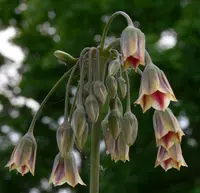
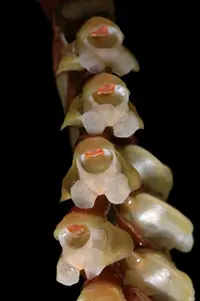
Honey garlic, Allium siculum, is a bulb-forming perennial in the onion family grown mainly for its unusual, nodding bell-shaped flowers. It sends up sturdy, leafless stems topped with clusters of hanging blooms in soft shades of cream, pink, and green, often with a slight metallic sheen.

This plant is native to parts of southern Europe and western Asia, where it grows in sunny, open habitats with well-drained soils. It is generally easy to grow in temperate gardens, as long as the bulbs do not sit in waterlogged ground.

Gardeners who want to learn how to care for Honey Garlic should note its preference for full sun to light shade, moderate moisture, and soil that drains freely.

Main Plant Requirements

Care Difficulty

Easy Care

Light Preference

Partial Sun

Water Requirements

Moderate Water

Temperature Preference

Cold Hardy

Hardiness Zone

4–8

Soil Texture

Sandy, Loamy, Rocky

Soil pH

Slightly acidic (6.5–7.0), Neutral (7.0)

Soil Drainage

Well-drained

Fertilization

Minimal (feed rarely)

Get Personalized Care Plan

Scan your plant to receive care tips personalized for your specific plant

Available on iOS and Android

How to Care for the Honey Garlic

This bulb prefers bright outdoor conditions with some protection from intense midday sun.

  • Provide 4–6 hours of direct morning sun with light or dappled shade in the afternoon, especially in warmer zones.
  • Tolerates partial shade, but flowering declines if it receives less than about 3–4 hours of direct sun during late spring.
  • In very hot summers, strong afternoon sun can scorch foliage and shorten Honey Garlic bloom life, so use nearby shrubs or taller perennials for filtered shade.

This species prefers evenly moist but never soggy soil, especially during active growth and flowering.

  • Water when the top 3–5 cm of soil feels dry, then soak the root zone thoroughly and allow excess to drain away.
  • During spring growth and bloom, avoid prolonged dryness; once foliage starts yellowing in summer, reduce watering so the bulbs can rest.
  • In heavy or compacted soils, improve drainage with grit or compost to prevent bulb rot, which shows as soft bulbs, wilting leaves, and a sour smell.

This hardy bulb tolerates cool climates but grows best with moderate spring and early summer temperatures.

  • Ideal active growth occurs around 55–70°F (13–21°C), with strong stems and stable flowering in these ranges.
  • Dormant bulbs tolerate winter cold down to about 0°F (−18°C) in well-drained soil, especially when mulched lightly in exposed gardens.
  • Plants cope with short warm spells up to about 85°F (29°C), but extended heat can shorten bloom time, so soil moisture and light afternoon shade become more important.

Humidity is not a significant factor for Allium siculum, which adapts well to typical outdoor air in temperate climates.

Allium siculum grows best in mineral-lean, well-drained soil that does not stay wet after rain or watering.

  • Use a moderately sandy or loamy structure with plenty of grit to keep pores open and prevent compaction.
  • Aim for slightly alkaline to neutral pH, roughly 6.8–7.5, which suits bulb development and nutrient uptake.
  • In garden beds, mix in coarse sand or fine gravel plus a small amount of compost to improve drainage and modest fertility.
  • Avoid heavy clay, waterlogged spots, or thick peat-based mixes that hold moisture around bulbs for long periods.

This species can be grown in containers if the pot is deep and drainage is well managed.

  • Choose a tall, heavy container to give the long flower stems stability against wind and to reduce tipping risk.
  • Fill the pot with a gritty, free-draining mix and place a layer of coarse gravel above the drain holes to prevent clogging.
  • Position the container where rain cannot pool inside saucers, so the bulbs dry out between waterings and after storms.

Allium siculum grows well in modest soil fertility, so focus on light, balanced feeding during active growth.

  • Apply a balanced, slow-release fertilizer (around 10-10-10) once in early spring as shoots emerge.
  • Use a thin layer of well-rotted compost over the root zone to support flowering when caring for Honey Garlic.
  • Avoid high-nitrogen products that encourage soft foliage instead of strong stems and blooms.
  • Stop feeding as foliage yellows and the plant enters dormancy; do not fertilize in winter.

Allium siculum needs only minimal pruning, mainly to tidy the plant and support bulb health.

  • In late spring to early summer, remove spent flowering stems at the base once seed heads fade.
  • Leave green leaves intact until they turn fully yellow or brown, then cut them back to ground level.
  • Snip off only damaged or diseased foliage during the season with clean, sharp scissors or pruners.
  • Avoid heavy cutting that removes healthy leaves too early, as this weakens bulbs and future flowering.

This bulb is usually grown in the ground, so focus on careful transplanting rather than frequent repotting.

  • Transplant or divide clumps in late summer to early fall, after foliage has died back fully.
  • Move bulbs if flowering declines, clumps become crowded, or growth slows in otherwise suitable conditions.
  • Lift bulbs gently with a fork, keep roots and basal plate intact, and replant at the same depth in well-drained soil.
  • Water lightly after transplanting, then allow soil to dry slightly between waterings to limit transplant shock and rot.

Allium siculum is commonly propagated by dividing bulbs and offsets, with seed used mainly for longer-term increase.

  • Lift and divide mature clumps in late summer or early fall when the plant is dormant.
  • Gently separate offsets from the main bulb, keeping the basal plate intact, then replant promptly at flowering depth.
  • For seeds, sow fresh in pots or trays outdoors in fall; cold exposure supports germination in spring.
  • Keep seed trays moist but not waterlogged and expect several years before seedlings reach flowering size.

Allium siculum is generally cold hardy in temperate climates and needs little winter attention in the ground.

  • In regions colder than its hardiness range, add a 5–8 cm mulch layer over the bulb area after soil cools.
  • Use straw, shredded leaves, or bark for mulch, keeping it loose to prevent waterlogging.
  • For container-grown bulbs, move pots to an unheated but frost-free or slightly sheltered spot to prevent root damage.

Care Tips

Mark Bulb Positions

After flowering, place small stones or discreet labels where each clump grows so you avoid disturbing the bulbs when digging or replanting nearby perennials during dormancy.

Provide Discreet Staking

Insert slender bamboo canes or dark metal stakes early in the season and loosely tie the stems, which prevents wind damage to the tall flowering stalks without spoiling the display.

Plan Successor Planting

Underplant with low, later-foliaging perennials or groundcovers so their new growth hides the yellowing leaves once the bulb begins to go dormant.

Use Bulb Baskets

Plant groups of bulbs in plastic bulb baskets sunk into the soil to protect them from rodents and make lifting, dividing, and re-spacing clumps easier every few years when growing Honey Garlic.

Encourage Self‑Seeding

If you want naturalized drifts, leave some spent flower heads on the plant until the seed capsules dry, then gently shake them over nearby bare soil and mark the area so emerging seedlings are not weeded out by mistake.

Common Pests and Diseases

Onion thrips

These insects rasp and suck sap from leaves and flower stems, causing silvery streaks, fine speckling, and eventual browning or collapse of the foliage. This pest is especially common in dry, warm sites and can distort the characteristic hanging flower heads.

Solution

Inspect plants regularly in late spring and early summer and hose down foliage to physically remove thrips from the narrow leaves and stems. In persistent infestations, use a spinosad or insecticidal soap spray directed into leaf axils and flower stems, avoid overhead watering at night, and remove heavily damaged plant material after flowering to reduce local populations.

Allium leaf miner

This pest is a small fly whose larvae tunnel inside leaves and stems, leaving winding mines, puncture rows, and weak, collapsing scapes. Symptoms include premature yellowing of foliage and reduced flower production from infested bulbs.

Solution

Cover emerging foliage with fine insect mesh in early spring and again in fall in regions where this pest is established, keeping the edges well sealed. Remove and destroy infested leaves and bulbs, avoid composting affected material, and rotate plantings away from heavily hit beds for several years to reduce reinfestation risk.

Downy mildew

This disease produces pale, yellowish patches on leaves that later show greyish, fuzzy fungal growth, especially in cool, damp weather. Symptoms include distorted, weakened foliage and reduced flowering, with leaves often dying back earlier than normal.

Solution

Improve air circulation around clumps, avoid wetting foliage when watering, and space bulbs so leaves can dry quickly. Remove and dispose of affected leaves as soon as they are noticed and, in areas with recurring problems, apply a labeled copper- or phosphonate-based fungicide preventively during prolonged cool, wet periods.

Neck and bulb rot

This disease causes the neck and upper bulb scales to soften, turn brown, and eventually collapse, often after flowering or during bulb storage. Symptoms include yellowing foliage, loose neck tissue, and a watery or sometimes moldy bulb interior.

Solution

Plant bulbs in well-drained soil and avoid overwatering, especially after flowering when foliage is still green. Lift and discard any soft or discolored bulbs, cure healthy bulbs in a dry, airy place before replanting, and avoid injuring bulbs during lifting or dividing to reduce infection sites.

Narcissus bulb fly

This pest is a large fly whose larvae bore into bulbs, hollowing them out and causing sudden collapse of leaves and flowering stems. Symptoms include weak or absent flowering from previously strong clumps and bulbs that feel unusually light or hollow when lifted.

Solution

Inspect bulbs when lifting or dividing; discard any that are soft, hollow, or show obvious tunneling. In gardens with a history of bulb fly, plant bulbs slightly deeper, keep soil surface mulched to make egg-laying less attractive, and promptly remove and destroy any plants that wilt or fail to emerge normally to limit larval development.

Interesting Facts

Nodding umbrella flowers

The flower heads form a loose umbrella of hanging, bell-shaped blooms that naturally nod downward, while the entire umbel slowly lifts and opens more horizontally as flowering progresses.

Pendant nectar guides

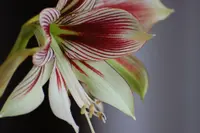
Each bell-shaped flower has green and purple internal markings that act as visual nectar guides for pollinating insects, helping them locate the nectar and pollen efficiently.

Post-bloom flower reversal

After pollination, the individual flowers gradually turn upward from their original hanging position as the seed capsules develop, creating a noticeably different silhouette later in the season.

Botan icon

Did you know?

Allium siculum is unusual among ornamental alliums because its leaves typically die back by the time the flowers are fully open, so the plant presents showy flowering stems emerging from apparently bare soil in late spring to early summer.

FAQs about Honey Garlic

Flowering depends on strong bulbs, enough sun, and a cool dormant period. Small, crowded, or newly planted bulbs may skip a season. Overly rich nitrogen fertilizer and deep planting also reduce buds and delay blooming.

Grow Healthy Plants with Botan Care

Keep your plants happy and healthy with plant identification, disease detection, and easy care guidance.

Botan plant care app — identify plants on mobile

Explore More Plants