


Mark Bulb Locations
After flowering and before foliage dies back, mark clumps with durable tags or small gravel markers so you can find and protect the bulbs once the leaves have completely disappeared.

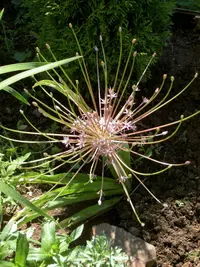
Tumbleweed onion, Allium schubertii, is a bulb-forming ornamental onion grown mainly for its large, starburst-like flower heads. Each globe is made of many long, radiating florets that create an open, firework effect even when dry.
This species is native to parts of the Middle East and thrives in climates with dry summers and cool to mild winters. It grows from a dormant bulb, sending up foliage in spring that usually dies back as the flowers reach their peak.
Allium schubertii prefers full sun, well-drained soil, and relatively dry conditions after flowering, which makes it suited to rock gardens and sunny borders. Its predictable dormancy and low water needs make it fairly easy to care for tumbleweed onion in suitable climates.

Care Difficulty
Easy Care

Light Preference
Full Sun

Water Requirements
Low Water

Temperature Preference
Cold Hardy

Hardiness Zone
5–8

Soil Texture
Sandy, Loamy, Rocky

Soil pH
Slightly acidic (6.5–7.0), Slightly alkaline (7.0–7.5)

Soil Drainage
Well-drained

Fertilization
Minimal (feed rarely)
Scan your plant to receive care tips personalized for your specific plant
Available on iOS and Android
Allium schubertii needs strong sun to flower well and form large seed heads.
Allium schubertii prefers dry to moderately moist soil and is sensitive to excess water.
This ornamental allium is cold hardy yet needs a defined cool period and mild growing season.
Humidity is not a significant factor for Allium schubertii, which prefers dry, airy conditions similar to outdoor garden air.
Allium schubertii needs lean, well-drained soil to keep the bulb dry and prevent rot.
This species suits container growing when the pot is prepared to keep the bulb stable and soil very free-draining.
Allium schubertii benefits from light, targeted feeding during its active spring growth, but heavy fertilization is unnecessary.
Allium schubertii needs only minimal pruning focused on cleanliness and seedhead management.
This ornamental allium is usually grown in the ground, so focus on lifting and transplanting bulbs rather than frequent repotting.
Allium schubertii is most commonly propagated by offsets, with seed used mainly for patient growers or breeding.
This bulb is fairly cold hardy in much of the US and usually needs only modest winter attention in garden beds.

Plant Health Check
Not sure what's wrong with your plant? Check your plant's health inside the app.
This species produces a spherical flower head up to 30 cm across, with individual florets carried on stalks of very different lengths, creating a loose, firework-like explosion rather than a tight globe typical of many ornamental onions.
After flowering, the dried seed heads keep their structure and are often harvested for long-lasting indoor arrangements because they retain their architectural form and pale color for many months.
This ornamental onion is native to parts of the Eastern Mediterranean and Middle East, where it grows in dry, open habitats that have shaped its tolerance for relatively poor, well-drained soils in cultivation.

Allium schubertii has received the Royal Horticultural Society Award of Garden Merit, which indicates consistent performance, good ornamental value, and reliable garden behavior under UK growing conditions.
Lack of flowering usually comes from insufficient sun, bulbs planted too shallow or deeply, or bulbs that are still immature. Overly rich, high-nitrogen fertilizer and crowded clumps can also reduce bloom production the following season.
Keep your plants happy and healthy with plant identification, disease detection, and easy care guidance.

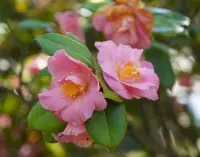
Kanjiro Camellia
Camellia sasanqua
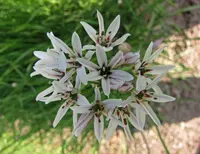
Allium denudatum
Allium denudatum
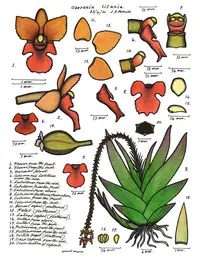
Soldier's crest orchid
Oberonia titania
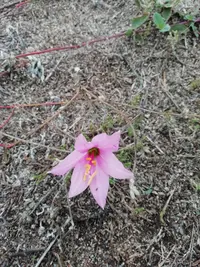
Zephyranthes gracilifolia
Zephyranthes gracilifolia
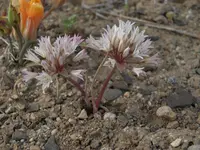
darkred onion
Allium atrorubens
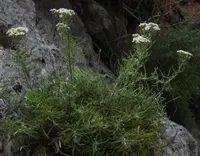
Chamomile-leaved Lavender-cotton
Achillea cretica
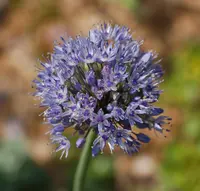
blue ornamental onion
Allium caeruleum
butterfly amaryllis
Hippeastrum papilio