Zephyranthes gracilifolia Care

Zephyranthes gracilifolia

About Zephyranthes gracilifolia

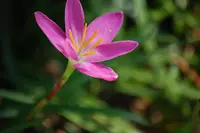
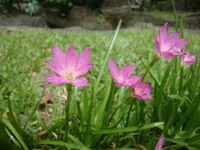
Zephyranthes gracilifolia is a small bulbous perennial, often called a rain lily, known for its delicate, funnel-shaped flowers that appear after warm rains. The narrow, grasslike leaves form low clumps that suit containers, rock gardens, and the front of borders.

This species is native to parts of Central and South America, where it grows in open, seasonally moist habitats. It is generally considered moderate in difficulty, mainly because it needs a distinct dry rest period and protection from frost.

Those who care for Zephyranthes gracilifolia should provide bright light, well-drained soil, and watering that allows the bulbs to dry slightly between soakings.

Main Plant Requirements

Care Difficulty

Moderate Care

Light Preference

Full Sun

Water Requirements

Moderate Water

Temperature Preference

Warm Climate

Hardiness Zone

8–11

Soil Texture

Sandy, Loamy, Organic-rich

Soil pH

Acidic (5.5–6.5), Slightly acidic (6.5–7.0)

Soil Drainage

Well-drained

Fertilization

Light (every 4–6 weeks)

Get Personalized Care Plan

Scan your plant to receive care tips personalized for your specific plant

Available on iOS and Android

How to Care for the Zephyranthes gracilifolia

This species prefers bright, direct sun for strong flowering and compact growth.

  • Provide 6–8 hours of direct sun daily, ideally with morning sun and light afternoon shade in hotter regions to prevent leaf scorch.
  • Plant Zephyranthes gracilifolia in an open spot; it tolerates light partial shade, but flowering decreases if it receives less than about 4 hours of direct sun.
  • In summer, monitor for pale, floppy leaves as a sign of insufficient light; in very intense sun, use thin mulch or nearby low plants to soften harsh afternoon exposure.

Watering should follow soil moisture and seasonal growth rather than a fixed calendar.

  • During active growth and flowering, water when the top 3–5 cm of soil feels dry; soil should be moist but never waterlogged.
  • Ensure sharply drained soil or raised beds so bulbs do not sit in standing water; yellowing, mushy leaves or a foul smell around bulbs suggest overwatering and rot risk.
  • In late fall and winter dormancy, reduce watering sharply, allowing soil to dry almost completely between rains; wrinkling or collapsing leaves in season indicate underwatering.

This bulb favors warm conditions during growth and cooler, dry rest periods.

  • Aim for 70–85°F (21–29°C) during active growth; flowering is best with consistently warm days and slightly cooler nights around 60–70°F (16–21°C).
  • Protect from frost; foliage is damaged near 32°F (0°C), and bulbs are safest lifted or mulched heavily if winters drop below about 25°F (-4°C).
  • The plant tolerates short heat waves up to 95°F (35°C) if soil moisture is stable, but prolonged extreme heat with dry soil can cause early dormancy and reduced flowering next season.

This species tolerates a wide humidity range, so humidity management is rarely critical indoors.

  • Target 30–60% humidity, which matches typical indoor conditions in most homes.
  • Dry indoor air mainly becomes a concern only if paired with prolonged underwatering, leading to limp, browning leaf tips.
  • If air is very dry, place the pot on a pebble tray with water below the pot base to slightly raise local humidity without wetting bulbs.

Zephyranthes gracilifolia prefers loose, fast-draining soil that does not stay wet around the bulbs.

  • Use a mix of roughly 50% standard potting mix, 30% coarse sand, and 20% perlite to create a sandy, aerated substrate.
  • Aim for slightly acidic to neutral pH around 6.0–7.0, which supports balanced nutrient availability for bulb growth and flowering.
  • Ensure water drains through within seconds; if it pools on the surface, lighten the mix with more sand or perlite to improve structure.
  • Avoid heavy clay, compacted, or peat-heavy soil that holds water, as this promotes bulb rot and weak, etiolated foliage.

This rain lily is well suited to container growing for controlled watering and display.

  • Choose a pot 15–20 cm deep so bulbs can sit with their neck just below the surface while roots have space to spread downward.
  • Select a clay or terracotta pot if overwatering is a risk, as its porous walls allow excess moisture to evaporate more quickly.
  • Use a container with multiple drainage holes and raise it slightly on pot feet or bricks so runoff clears freely and does not reabsorb into the mix.

Light feeding supports reliable flowering in Zephyranthes gracilifolia without forcing weak, lush growth.

  • Use a balanced, water-soluble fertilizer (for example 10-10-10) at 1/4–1/2 strength during the active growing season.
  • Apply every 4–6 weeks in spring and summer when foliage is present and actively growing.
  • Skip feeding in late fall and winter when bulbs are dormant or foliage has died back.
  • In garden beds, a thin layer of compost in spring can replace liquid feeding in fertile soils.

Pruning needs are minimal and focus on hygiene to keep Zephyranthes gracilifolia flowering well.

  • Cut spent flower stalks at the base once blooms fade to direct energy back to the bulbs.
  • Remove yellowing or dead leaves by gently pulling or cutting at soil level to limit disease issues.
  • Use clean, sharp scissors or hand pruners to avoid crushing soft tissues.
  • Avoid cutting healthy green foliage during the growing season, as it supports bulb strength for future blooms.

Transplanting or dividing Zephyranthes gracilifolia is done infrequently and mainly to relieve crowding or move clumps.

  • Look for crowded bulbs, reduced flowering, or bulbs pressing against the container as signs a move is needed.
  • Plan to divide or transplant every 3–4 years, ideally in late summer to early fall after flowering and foliage decline.
  • Lift clumps gently, separate bulbs by hand, keeping roots and basal plates intact to limit stress.
  • Replant bulbs at the same depth in well-drained soil, water lightly, and keep disturbance low for several weeks.

Propagation of Zephyranthes gracilifolia is typically done by division of bulbs, with seeds as a slower option.

  • Divide clumps in late summer to early fall once foliage has yellowed and flowering has finished.
  • Lift the clump, separate offsets from parent bulbs, and discard any soft or rotted material.
  • Replant offsets in loose, well-drained soil, spacing bulbs so they are not touching and covering to about 2–3 times bulb height.
  • For seed, sow fresh in a warm, bright spot, keep evenly moist, and expect flowering only after several seasons.

In mild climates, Zephyranthes gracilifolia usually needs only modest winter attention, especially in well-drained soil.

  • In USDA zones around 8–10, bulbs overwinter in the ground if soil does not stay waterlogged or freeze deeply.
  • Apply a light mulch layer after foliage dies back to moderate soil temperature and reduce heaving.
  • In colder zones or exposed sites, lift bulbs after foliage dies, store cool and dry, and replant in spring.
  • Move containers indoors to a frost-free, dry, bright location when temperatures approach 32°F.

Care Tips

Dormancy management

After flowering finishes, allow the foliage to yellow and die back naturally, then keep the bulbs slightly drier for 6–8 weeks to encourage a strong rest period and more synchronized blooms next season.

Bulb clump renewal

Every 3–4 years, lift and divide congested clumps at the start of dormancy, separating and replanting only firm, healthy bulbs to prevent overcrowding and maintain flower size.

Rain-triggered watering

To mimic their natural habitat and promote repeat blooming, give a thorough soak after a dry spell rather than frequent light watering, as many rain lilies respond to this pattern with new flower spikes.

Container depth choice

Use a pot that is noticeably wider than deep, with at least 10–15 cm of soil depth above the bulb base, so the shallow root system can spread and support dense flowering.

Winter protection routine

In colder climates, lift bulbs after foliage dies back, dry them in a single layer for several days, then store in a labeled paper bag with dry peat or vermiculite at 40–50°F until replanting in spring, which is an effective approach for caring for Zephyranthes gracilifolia.

Common Pests and Diseases

Narcissus bulb fly

This pest targets bulbous plants, with larvae tunneling inside the bulbs and causing yellowing foliage and weak or absent flowering.

Solution

Discard severely damaged bulbs and replant only firm, healthy ones; in active seasons, cover bulb beds with fine mesh or fleece to prevent adult flies from laying eggs, and plant bulbs slightly deeper and in well-drained soil to reduce access and stress while caring for Zephyranthes gracilifolia.

Bulb mites

These pests feed on the basal plate and scales of bulbs, leading to soft spots, poor sprouting, and stunted growth.

Solution

Remove and discard heavily infested bulbs; for salvageable bulbs, trim out soft, damaged tissue, allow cut areas to dry for 1–2 days, then replant in fresh, well-drained medium, and avoid storing or growing bulbs in constantly wet conditions.

Leaf spot (fungal)

This disease causes small water-soaked spots on leaves that enlarge into brown lesions, which can merge and lead to premature leaf dieback, especially in warm, humid conditions.

Solution

Remove and discard affected leaves, improve spacing and airflow, avoid wetting the foliage, and if spread continues, apply a labeled copper- or chlorothalonil-based fungicide according to instructions, focusing on new growth.

Rust

This disease presents as yellowish spots on the upper leaf surface and orange-brown pustules on the undersides, gradually weakening the plant if repeatedly infected.

Solution

Cut and dispose of infected leaves, water at soil level, provide good air movement, and in persistent cases use a labeled systemic or sulfur-based fungicide, rotating products if needed to limit resistance.

Aphids

These insects cluster on tender leaves and flower stalks, sucking sap and causing distortion, sticky honeydew, and sometimes sooty mold growth on the foliage.

Solution

Wash colonies off with a firm stream of water, then treat remaining insects with insecticidal soap or a light horticultural oil, repeating every 5–7 days until controlled and encouraging natural predators by avoiding broad-spectrum insecticides nearby.

Interesting Facts

Narrow-leaved rain blooms

This species is recognized by its particularly slender, grass-like leaves, which are even finer than many other rain lilies and form a delicate, tufted clump around the bulbs.

Soft pink funnel flowers

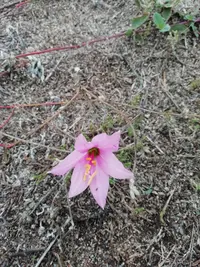
It produces pale to soft pink funnel-shaped flowers with a relatively narrow perianth tube and graceful, tapering tepals, giving a more elongated, refined flower form compared with several related Zephyranthes species.

Seasonal rainfall response

In its native habitats, flowering is closely tied to distinct rainfall events, with the bulbs remaining relatively inconspicuous until moisture triggers rapid leaf and flower emergence from dormancy.

FAQs about Zephyranthes gracilifolia

This bulb often flowers in several flushes during warm months, especially after rain or irrigation events. Short bloom cycles are normal, but repeated spikes appear if bulbs are mature and not stressed by rot or prolonged drought.

Grow Healthy Plants with Botan Care

Keep your plants happy and healthy with plant identification, disease detection, and easy care guidance.

Botan plant care app — identify plants on mobile

Explore More Plants