Bulb Clump Division
Lift and divide congested clumps every 3–4 years in late winter or early spring, replanting healthy bulbs 5–8 cm apart to maintain strong flowering and reduce competition for nutrients.

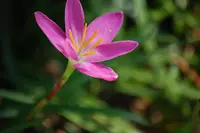
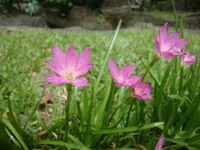
Rosepink zephyr lily, Zephyranthes minuta, is a small bulb-forming perennial often grown for its soft pink, crocus-like blooms. It typically flowers in flushes after summer rain or thorough watering, creating a brief but striking display. Plants form low clumps of narrow, grassy leaves that fit well in borders, containers, or naturalized in lawns in mild climates.
This species is native to parts of Central and South America, where it experiences warm temperatures and distinct wet and dry periods. Its compact size and tolerance of short dry spells make it relatively straightforward for gardeners who learn how to care for rosepink zephyr lily. It prefers bright light, moderately moist but well-drained soil, and a rest period when not actively growing.

Care Difficulty
Easy Care

Light Preference
Full Sun

Water Requirements
Moderate Water

Temperature Preference
Warm Climate

Hardiness Zone
8–11

Soil Texture
Sandy, Loamy, Organic-rich

Soil pH
Acidic (5.5–6.5), Slightly acidic (6.5–7.0)

Soil Drainage
Well-drained

Fertilization
Light (every 4–6 weeks)
Scan your plant to receive care tips personalized for your specific plant
Available on iOS and Android
This species prefers bright, direct sun for strong flowering and sturdy foliage.
This bulb prefers a distinct cycle of moist growth periods and drier rest phases.
This rain lily grows best in warm, frost-free conditions with a mild winter rest.
This species handles typical indoor humidity well and rarely needs special humidity management.
Zephyranthes minuta grows best in loose, fast-draining, moderately fertile substrate that protects bulbs from waterlogging.
This species is well suited to container growing, including small clustered displays.
Zephyranthes minuta benefits from modest feeding to support flowering without forcing soft, weak growth.
Zephyranthes minuta needs minimal pruning, mainly to keep clumps tidy and healthy.
This bulbous species prefers to remain slightly crowded, so repotting or transplanting Zephyranthes minuta is done infrequently.
Propagation of Zephyranthes minuta is commonly done by bulb division, with seed used mainly for larger-scale growing.
Zephyranthes minuta prefers mild winters and requires extra care in regions with hard frost.

Plant Health Check
Not sure what's wrong with your plant? Check your plant's health inside the app.
This species is naturally restricted to parts of Cuba, where it grows in seasonally moist, open habitats rather than in constantly wet sites or dense forest.
Unlike many white-flowered Zephyranthes species, this plant produces clear rose-pink, funnel-shaped flowers with a yellow throat that help distinguish it from similar rain lilies.
Like other rain lilies, it tends to send up flowers shortly after heavy rainfall or thorough watering, a response linked to brief growth flushes when soil moisture suddenly increases, which is characteristic of Zephyranthes minuta care instructions.
Lack of flowers usually comes from insufficient light, depleted bulbs, or no dry rest. Provide a pronounced dry period after foliage dies back, avoid constant heavy watering, and use a balanced, low-nitrogen fertilizer during active growth.
Keep your plants happy and healthy with plant identification, disease detection, and easy care guidance.