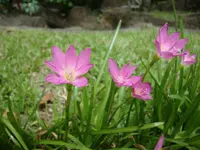
pink woodsorrel Care (Oxalis debilis)

Also known as: worldwide wood sorrel, Largeflower pink-sorrel, Pink Shamrock, Large-flowered Pink-sorrel, Lavender Sorrel
pink woodsorrel

About pink woodsorrel

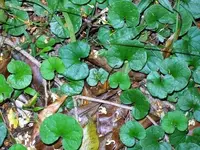
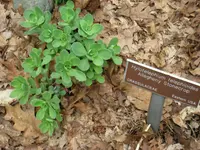
Pink woodsorrel (Oxalis debilis) is a small, bulb-forming perennial often grown as a groundcover or container plant. It forms clumps of clover-like leaves and delicate pink to lavender flowers. The plant spreads by bulbs and occasionally seed, creating low, soft mats that can fill gaps between larger plants or along borders. In mild climates it may behave almost evergreen. Oxalis debilis is native to South America but has naturalized in many warm and temperate regions, including parts of the southern United States. It favors light, well-drained soil and moderate moisture, and prefers bright light with some protection from harsh sun. These traits make it easy to grow but slightly invasive in ideal conditions, so care for pink woodsorrel should include monitoring its spread.

Main Plant Requirements

Care Difficulty

Easy Care

Light Preference

Partial Sun

Water Requirements

Moderate Water

Temperature Preference

Warm Climate

Hardiness Zone

8–11

Soil Texture

Sandy, Loamy, Organic-rich

Soil pH

Acidic (5.5–6.5), Slightly acidic (6.5–7.0)

Soil Drainage

Well-drained

Fertilization

Minimal (feed rarely)

Get Personalized Care Plan

Scan your plant to receive care tips personalized for your specific plant

Available on iOS and Android

How to Care for the pink woodsorrel

Oxalis debilis prefers bright conditions but not harsh, all-day sun.

  • Aim for 4–6 hours of morning sun or bright, filtered light; light afternoon shade helps prevent leaf scorch, especially in warmer regions.
  • The plant tolerates partial shade, but in deep shade flowering of pink woodsorrel declines and foliage may become sparse or stretched.
  • In hot summers, protect from intense midday sun with shade from taller plants or structures; in cooler seasons, choose a more open site to maximize light.

Oxalis debilis prefers evenly moist but not saturated soil.

  • Allow the top 2–3 cm of soil to dry before watering again; check by feeling the soil rather than following a fixed schedule.
  • Use well-drained soil so excess water runs off easily; consistently soggy ground leads to yellowing leaves, soft stems, and bulb rot.
  • During active growth in spring and summer, expect more frequent watering, while in cooler or dormant periods reduce watering if foliage dies back or growth slows.

This species grows best in mild, frost-free conditions.

  • Optimal growth occurs around 65–80°F (18–27°C); growth slows noticeably below 60°F (16°C).
  • Oxalis debilis is sensitive to hard frost and is usually damaged below about 28°F (-2°C); foliage may burn, though underground bulbs sometimes survive light freezes.
  • In hotter climates, plants tolerate brief spikes to 90–95°F (32–35°C) if soil stays slightly moist and sites provide some afternoon shade to limit heat stress.

This species handles typical home humidity but grows best with slightly moist air.

  • Aim for 40–60% humidity for steady leaf growth and flowering in pink woodsorrel.
  • Dry air may cause leaf edges to brown or curl and foliage to wilt faster between waterings.
  • Increase humidity by grouping pots, placing containers on a pebble tray with water below the pot base, or running a small nearby humidifier.

This plant prefers light, well‑aerated soil that drains rapidly yet holds moderate moisture.

  • Use a loose mix of 50–60% all‑purpose potting soil with 20–30% perlite and 10–20% compost for Oxalis debilis.
  • Target a slightly acidic to neutral pH of about 6.0–7.0 to support nutrient uptake and root activity.
  • Ensure water runs through in seconds; if it pools on the surface, lighten the mix with more perlite or coarse sand.
  • Avoid heavy clay, compacted, or constantly waterlogged substrates that suffocate the small bulb‑like tubers and promote rot.

This species is very suitable for container growing.

  • Choose a wide, shallow pot so the small bulbs can spread horizontally while the mix dries evenly.
  • Select a pot with thin walls (plastic or thin terracotta) to reduce weight, since containers often hold many clustered stems.
  • Set the pot in a stable cachepot or on a flat, non‑slip surface because the spreading foliage can make small containers tip easily.

Oxalis debilis responds well to modest feeding during its active growing season.

  • Use a balanced liquid fertilizer (such as 10-10-10) diluted to 1/4–1/2 strength for caring for pink woodsorrel.
  • Apply every 4–6 weeks in spring and summer when foliage is full and flowering is steady.
  • Stop feeding in fall and winter when growth slows or plants go partially dormant.
  • Organic compost or a mild slow-release granule can be mixed lightly into the topsoil at the start of the season.

Pruning needs for Oxalis debilis are light and mainly focused on keeping the plant tidy and flowering well.

  • Trim faded flower stems and yellowing leaves throughout the growing season with small, clean scissors.
  • Remove any damaged or diseased foliage promptly to limit spread of problems and maintain vigor.
  • Thin crowded clumps by cutting or lifting small sections to keep a low, even mound shape.
  • Disinfect blades before and after use to reduce the risk of transmitting fungal or bacterial issues.

Oxalis debilis forms small bulbs that benefit from periodic division or transplanting to maintain dense, healthy clumps.

  • Look for crowded bulbs, roots circling a pot, or reduced flowering as cues that shifting or division is needed.
  • Plan repotting or transplanting for early spring or just after flowering, typically every 2–3 years.
  • Gently loosen the root mass, separate bulbs by hand, and replant at the same depth in well-drained soil.
  • Water lightly after moving and keep in bright, indirect light for 1–2 weeks to reduce transplant stress.

Oxalis debilis is commonly propagated by dividing its small bulbs or clumps rather than from seed.

  • Divide mature clumps in early spring or after flowering, when plants are not under heat stress.
  • Lift the clump, gently tease apart bulbs or bulb clusters, and discard any soft or rotten pieces.
  • Replant divisions in loose, well-drained soil, spacing them 5–10 cm apart for quick coverage.
  • Water to settle soil, then keep evenly moist and in bright, indirect light until strong new growth appears.

Winter care for Oxalis debilis depends on climate, as the bulbs are only moderately frost tolerant.

  • In mild climates, allow foliage to die back naturally and keep soil just slightly moist.
  • In colder areas below about 20°F, mulch the planting area with 5–8 cm of straw or leaves to insulate bulbs.
  • For containers in freezing regions, move pots indoors to a cool, bright spot and reduce watering during dormancy.

Care Tips

Bulb division timing

Lift and divide crowded clumps every 2–3 years in late winter or early spring, replanting only the firm, healthy bulbs to maintain vigorous flowering and prevent the plant from becoming invasive in containers or beds.

Seasonal dormancy rest

If foliage yellows and dies back in late summer or after heat stress, stop watering, keep the pot dry and shaded for 4–6 weeks, then resume light watering to encourage an even flush of new growth from the bulbs.

Containment in beds

In garden beds, plant in a bottomless nursery pot or a sunken plastic barrier 15–20 cm deep to limit lateral spread of bulbs and make long‑term management easier.

Light grooming practice

Regularly pinch off spent flowers and remove any weak, pale stems at the base to reduce self‑seeding and direct the plant’s energy into stronger leaves and future blooms.

Check for oxalis pests

Inspect the undersides of leaves and tender stems every 1–2 weeks for aphids or spider mites, rinsing foliage with a gentle stream of water and using insecticidal soap early if needed as part of caring for pink woodsorrel in containers.

Common Pests and Diseases

Wood-sorrel aphids

This pest feeds on tender stems and leaf stalks, causing curling, distortion, and sticky honeydew that can lead to sooty mold on the clover-like foliage.

Solution

Rinse colonies off with a firm stream of water, then treat remaining insects on pink woodsorrel with insecticidal soap or a neem oil spray, repeating every 5–7 days until new growth appears clean and ants lose interest in the plant.

Oxalis rust

This disease produces yellow to orange spots on the upper leaf surface and rusty pustules on the undersides, leading to premature leaf drop in dense clumps.

Solution

Remove and discard affected leaves, thin crowded patches for better airflow, keep foliage dry when watering, and if the problem is persistent, use a sulfur or copper-based fungicide labeled for rust on ornamental plants, applying according to label directions.

Leaf spot complex

Symptoms include small brown or purplish spots that merge into larger blotches, causing the delicate leaflets to yellow and collapse in humid conditions.

Solution

Cut and dispose of heavily spotted leaves, avoid overhead watering, increase spacing and airflow, and when needed apply a broad-spectrum fungicide suitable for ornamental bulbs and perennials, treating both foliage and surrounding soil surface.

Bulb and corm nematodes

These microscopic worms invade bulbs and underground stems, causing swollen, misshapen corms, weak shoots, and stunted clumps that fail to spread normally.

Solution

Discard visibly distorted or soft bulbs, avoid reusing contaminated soil, and replant only firm, healthy corms in fresh, well-drained substrate; in garden beds, rotate planting areas and solarize infested soil in warm climates by covering it with clear plastic for several weeks in summer.

Spider mites

These insects thrive in hot, dry conditions, leaving fine webbing, pale stippling, and a dull, dusty look on the trifoliate leaves, which may eventually dry and drop.

Solution

Increase humidity around the plant, rinse foliage thoroughly (including leaf undersides), and if populations persist, apply insecticidal soap or horticultural oil at 5–7 day intervals, ensuring full coverage until new leaves emerge without speckling.

Interesting Facts

Night-folding leaf behavior

The trifoliate leaves fold downward at night and during heavy rain, a movement called nyctinasty that is driven by changes in water pressure in specialized cells at the leaflet base.

Nectar-rich pink flowers

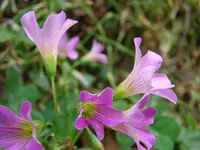
Its pink to lavender funnel-shaped flowers produce accessible nectar that attracts small bees and other insects, so in warm regions it can set abundant seed and spread quickly in gardens and lawns.

Bulbils aid spread

In addition to seeds, this species forms small underground bulbils around the main bulb, allowing it to persist in soil and reappear even after the aboveground parts are removed.

Botan icon

Did you know?

Oxalis debilis is native to tropical and subtropical parts of the Americas but has naturalized in many warm regions worldwide, where it can behave as a minor lawn and garden weed while still being intentionally grown as an ornamental in rock gardens and containers.

FAQs about pink woodsorrel

Lack of flowers usually comes from insufficient light, depleted nutrients, or overcrowded bulbs. Provide brighter exposure, a light feeding in spring, and divide congested clumps every few years to restore energy for flower production.

Grow Healthy Plants with Botan Care

Keep your plants happy and healthy with plant identification, disease detection, and easy care guidance.

Botan plant care app — identify plants on mobile

Explore More Plants