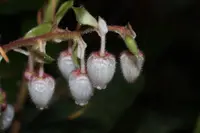
Woolly Plectranthus Care (Coleus barbatus)

Also known as: Abyssinian Coleus, Bearded Spurflower
Woolly Plectranthus

About Woolly Plectranthus

Woolly plectranthus, Coleus barbatus, is a soft, aromatic subshrub grown mainly for its fuzzy, grey‑green foliage and pleasant scent. It forms a loose mound or trailing stems, making it suitable for pots, hanging baskets, or mixed plantings.

This species is native to eastern Africa and parts of India, where it grows in warm, bright, upland habitats. Its fast growth and forgiving nature make it relatively easy to manage, as long as it is protected from frost and prolonged soggy soil.

Understanding how to care for Woolly Plectranthus starts with giving it bright light, moderate watering, and a free‑draining, airy potting mix to keep the roots healthy.

Main Plant Requirements

Care Difficulty

Moderate Care

Light Preference

Partial Sun

Water Requirements

Moderate Water

Temperature Preference

Tropical / Frost Sensitive

Hardiness Zone

9–11

Soil Texture

Sandy, Loamy, Organic-rich

Soil pH

Acidic (5.5–6.5), Slightly acidic (6.5–7.0)

Soil Drainage

Moist but well-drained

Fertilization

Light (every 4–6 weeks)

Get Personalized Care Plan

Scan your plant to receive care tips personalized for your specific plant

Available on iOS and Android

How to Care for the Woolly Plectranthus

Coleus barbatus prefers bright, indirect light with some direct morning sun for compact, leafy growth.

  • Provide 3–5 hours of gentle morning sun, then bright shade or filtered light for the rest of the day, especially in hotter regions.
  • In very strong midday or afternoon sun, leaves of Woolly Plectranthus can scorch; use dappled shade or a light shade cloth outdoors.
  • In shade denser than bright open shade, stems stretch and foliage thins; move the plant where you can comfortably read without artificial light for most of the day.

Coleus barbatus needs evenly moist, well-drained soil that never stays soggy for long periods.

  • Water when the top 2–3 cm of soil feel dry and the leaves just begin to lose slight turgor, rather than on a fixed schedule.
  • Use a free-draining mix or soil with added compost and coarse material so excess water drains within a few minutes after watering.
  • Reduce frequency in cooler months, watching for yellowing, soft stems from overwatering or crisp, drooping leaves and dry soil from underwatering.

This species prefers warm, frost-free conditions throughout the growing season.

  • Aim for 65–80°F (18–27°C) for active growth; plants grow fastest and produce dense foliage in this range.
  • Protect from temperatures below 45°F (7°C), as Coleus barbatus is very frost-sensitive and can be killed by even a light freeze.
  • In hot spells above 90°F (32°C), provide extra shade and soil moisture, since prolonged high heat with strong sun can cause leaf scorch and stress.

Coleus barbatus grows best in moderate indoor humidity but usually adapts to typical home conditions.

  • Aim for 40–60% humidity; Woolly Plectranthus tolerates brief drops but may grow more slowly in very dry air.
  • Crisping leaf edges and dull, drooping foliage often indicate humidity stress when watering and light are correct.
  • Group plants, place the pot on a pebble tray with water below the pot base, or run a nearby humidifier in very dry homes.

Coleus barbatus prefers loose, well-aerated, moisture-retentive but free-draining soil.

  • Use a peat- or coir-based mix with 20–30% perlite plus some compost for structure and steady nutrients.
  • Aim for slightly acidic to neutral pH around 6.0–7.0, which supports balanced nutrient uptake and root health.
  • Ensure the mix drains quickly so excess water leaves the pot within seconds, minimizing risk of root rot.
  • Avoid heavy clay, compacted mixes, or pure garden soil, which hold water around roots and restrict aeration.

This species is well suited to container growing for patios, balconies, or bright porches.

  • Choose a stable, relatively wide container to support its bushy, top-heavy growth and prevent tipping in wind.
  • Select a pot 20–30 cm wide so roots can spread horizontally without becoming cramped too quickly.
  • Use a container material that breathes slightly, such as unglazed terracotta, to help extra moisture evaporate from the root zone.

Coleus barbatus benefits from moderate feeding to support leafy, aromatic growth in containers and garden beds.

  • Use a balanced liquid fertilizer (such as 10-10-10 or 20-20-20) diluted to 1/2 strength every 2–4 weeks in spring and summer.
  • Alternatively, mix in a light layer of compost or a low-dose slow-release fertilizer at the start of the growing season.
  • Pause or reduce feeding to once every 6–8 weeks in fall and winter, especially for Woolly Plectranthus kept indoors.
  • Always water before applying liquid fertilizer to avoid root burn and salt buildup in the potting mix.

Coleus barbatus responds well to thoughtful pruning, which keeps plants compact, dense, and productive.

  • Pinch soft shoot tips in spring and early summer to encourage branching and a fuller shape.
  • Remove dead, damaged, or leggy stems with clean scissors or hand pruners to maintain healthy growth.
  • Thin crowded interior stems to improve air flow and reduce the risk of fungal problems.
  • After flowering, trim back spent flower spikes to direct energy into foliage and root strength.

Coleus barbatus adapts well to containers and beds but benefits from timely repotting or transplanting to keep roots active.

  • Plan repotting or transplanting in spring when growth restarts and temperatures are mild.
  • Check for roots circling the pot, emerging from drainage holes, or slow growth as signals the plant is pot-bound.
  • Shift to a container 2–5 cm wider with fresh, well-drained mix, handling the root ball gently to limit damage.
  • Water thoroughly after moving, then keep in bright, indirect light for several days to reduce transplant shock.

Coleus barbatus is commonly multiplied by stem cuttings, which root fast under simple conditions.

  • Take 8–12 cm non-flowering stem cuttings in late spring or summer, just below a node.
  • Strip lower leaves and place cuttings in water or a moist, free-draining mix kept at 70–80°F.
  • Provide bright, indirect light and high humidity until roots reach 2–3 cm in length.
  • For seed, sow on the surface of moist mix, press lightly, and keep warm and evenly damp for germination.

Coleus barbatus is frost-sensitive and needs protection in regions with freezing winters.

  • In USDA zones colder than 9, treat outdoor plants as annuals or lift and overwinter indoors.
  • Before the first frost, pot up healthy shoots and move them to a bright, cool room kept above 50°F.
  • Reduce watering in winter so the soil stays just lightly moist, not wet, to prevent root rot.
  • In mild climates, add a 5–8 cm mulch layer around outdoor plants to buffer short cold spells.

Care Tips

Encourage Bushy Form

Pinch out the soft tip of each stem when it reaches 10–15 cm to encourage side shoots and a denser, more compact plant, especially important if you grow Coleus barbatus in containers.

Timed Root Harvest

If growing for its aromatic roots, plan to harvest in late summer to early fall of the second year, when root mass and essential oil content are typically higher, then replant only the most vigorous divisions.

Support Tall Stems

As stems elongate in bright conditions, insert small bamboo canes and tie loosely with soft garden ties to keep the plant upright and reduce the risk of stems snapping in wind or during handling.

Flower Bud Management

Regularly remove emerging flower spikes as soon as they appear if the goal is stronger vegetative growth and better root development, since flowering diverts energy away from stems and roots.

Clean, Strategic Division

When dividing clumps, use a sharp, disinfected knife to separate sections that each have at least 2–3 healthy shoots and a solid root portion, then replant at the same depth and water once deeply to settle the soil.

Common Pests and Diseases

Mealybugs

This pest feeds on sap and often hides in leaf axils and along stems, leaving white, cottony clusters. Symptoms include sticky honeydew, sooty mold growth, and stunted or distorted new growth.

Solution

Isolate the plant, then dab visible insects with cotton swabs dipped in 70% isopropyl alcohol and gently wipe infested areas. Follow with a thorough spray of insecticidal soap or a ready-to-use neem oil product every 7–10 days until no new mealybugs appear, and reduce excess nitrogen fertilization that encourages soft, susceptible growth.

Aphids

These insects cluster on tender shoot tips and undersides of leaves, sucking sap and causing curling, distortion, and sticky honeydew deposits. Ant activity on stems often increases due to the honeydew.

Solution

Rinse the plant under a firm but gentle stream of water to remove colonies, then apply insecticidal soap to all leaf surfaces, including undersides, repeating every 5–7 days as needed. Improving airflow and avoiding overcrowding helps reduce aphid buildup when growing Coleus barbatus outdoors or in containers on balconies and patios.

Spider mites

This pest thrives in warm, dry conditions and feeds on leaf undersides, causing fine stippling, dull foliage, and in heavier infestations, fine webbing between leaves and stems. Symptoms include gradual leaf yellowing and drop starting from older foliage.

Solution

Increase humidity around the plant, then hose or shower the foliage thoroughly, paying special attention to leaf undersides, and apply a miticidal product labeled for spider mites or a neem oil spray on a 7-day schedule for several cycles. Regularly misting or rinsing the foliage and avoiding very dry indoor air are key parts of Woolly Plectranthus indoor care to prevent reinfestation.

Botrytis blight

This disease develops in cool, humid, low-airflow conditions, leading to soft, water-soaked spots on leaves and stems that can become covered with gray, fuzzy mold. Symptoms include rapid collapse of tender shoots and spotting on older foliage.

Solution

Remove and discard all affected tissues, then improve air circulation, avoid overhead watering, and keep foliage as dry as possible. In persistent cases, apply a fungicide labeled for botrytis on ornamentals and reduce plant crowding to keep humidity from staying high around the foliage.

Fusarium wilt

This disease is soilborne and invades the vascular system, causing one-sided wilting, yellowing, and eventual collapse of stems, often starting on just part of the plant. Symptoms include brown discoloration in internal stem tissue when cut open lengthwise.

Solution

Discard severely affected plants and any contaminated potting mix, and sterilize containers before reuse, since the fungus can persist in soil and debris. For prevention, use high-quality, well-draining commercial potting mix, avoid reusing old soil, and keep watering moderate so roots are not stressed and more prone to infection.

Interesting Facts

Aromatic tuberous roots

This species forms thick, tuberous roots that store water and aromatic compounds, which help the plant survive dry periods in its native habitats.

Short-day flowering habit

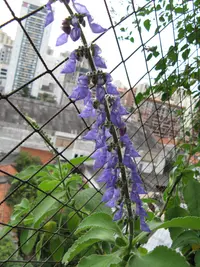
It typically initiates flowering when days become shorter, producing tall spikes of small blue to violet flowers in response to changing seasonal day length.

Fragrant mint family foliage

As a member of the mint family Lamiaceae, it has square stems and strongly scented leaves that release a noticeable aroma when rubbed or bruised.

Botan icon

Did you know?

In parts of the Western Ghats in India, this species has been cultivated for generations as a traditional root crop and traded regionally for its distinctive camphor-like fragrance, making it both a horticultural plant and a minor aromatic commodity.

FAQs about Woolly Plectranthus

This species generally performs better outdoors in mild, frost-free climates where it receives bright light and good air movement. Indoors it can grow, but tends to become leggy and more prone to pests and humidity stress.

Grow Healthy Plants with Botan Care

Keep your plants happy and healthy with plant identification, disease detection, and easy care guidance.


Botan plant care app — identify plants on mobile

Explore More Plants