nodding onion Care (Allium cernuum)

Also known as: Lady's leek, wild onion
nodding onion

About nodding onion

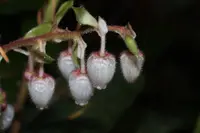
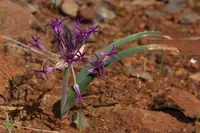
Nodding onion, Allium cernuum, is a small perennial bulb in the onion family grown for its fine foliage and graceful, nodding flower clusters. It forms clumps of narrow, grass-like leaves and slender stems topped with drooping pink, white, or lavender bells. This species is native to North America, where it grows in open woods, rocky slopes, and prairies. It is generally easy to grow if given sun, well-drained soil, and moderate moisture. Its cold hardiness, drought tolerance once established, and resistance to most pests make it reliable in many gardens and simple to care for nodding onion.

Main Plant Requirements

Care Difficulty

Easy Care

Light Preference

Full Sun

Water Requirements

Moderate Water

Temperature Preference

Cold Hardy

Hardiness Zone

3–9

Soil Texture

Sandy, Loamy, Rocky

Soil pH

Acidic (5.5–6.5), Slightly acidic (6.5–7.0)

Soil Drainage

Well-drained

Fertilization

Minimal (feed rarely)

Get Personalized Care Plan

Scan your plant to receive care tips personalized for your specific plant

Available on iOS and Android

How to Care for the nodding onion

Allium cernuum grows best in open sites with plenty of direct light.

  • Provide 6–8 hours of direct sun daily; morning sun with light afternoon shade works well in hotter regions.
  • Tolerates light or dappled shade, but flowering and clump density decline if it receives less than about 4 hours of sun.
  • In hot summers, protect from intense late-afternoon sun to reduce leaf scorch, especially in dry soils, while maintaining bright exposure overall.

This species prefers moderately moist but sharply drained soil and resents standing water.

  • Water when the top 3–5 cm of soil feel dry, then soak deeply so moisture reaches the full root zone, allowing the soil to drain completely.
  • During active growth in spring and early summer, monitor rainfall; supplement only if natural precipitation is low and leaves begin to droop slightly.
  • Reduce watering after flowering as foliage begins to yellow; persistent wetness, soft bulbs, or a sulfur smell indicate overwatering and risk of rot.

This hardy onion species tolerates a wide temperature range once established outdoors.

  • Active growth is strongest around 60–75°F (16–24°C), with cool spring conditions encouraging sturdy foliage and flower stalks.
  • Dormant bulbs survive winter cold down to about -30°F (-34°C) in the ground if soil drains well and does not stay waterlogged.
  • The plant handles summer heat up to about 90–95°F (32–35°C) if roots stay slightly moist, but prolonged extreme heat without water stresses leaves and shortens bloom.

Humidity is rarely a concern for nodding onion, which thrives in typical outdoor air conditions.

Allium cernuum prefers freely draining, mineral-rich soil that never stays waterlogged.

  • Use a sandy or gritty loam with 20–30% coarse sand or fine gravel to keep the root zone aerated.
  • Blend in a modest amount of compost (10–20%) to supply nutrients without making the mix heavy or soggy.
  • Aim for slightly acidic to neutral pH, around 6.0–7.0, and avoid strongly acidic or alkaline sites.
  • Do not plant in compacted clay or sites where water pools after rain, as bulbs are prone to rot in saturation.

This species grows reliably in containers when the potting setup prevents waterlogging around the bulbs.

  • Choose a pot at least 20–25 cm deep so the slender bulbs and roots can anchor firmly below the surface.
  • Use a heavy or wide-based container outdoors to prevent tall flowering stems from tipping the pot in wind.
  • Set the container where runoff can drain freely and do not stand it in saucers that allow water to collect under the pot.

This native bulb needs only light feeding to support flowering and foliage.

  • For nodding onion in average garden soil, apply a thin layer of compost around clumps once each spring.
  • If using a balanced granular fertilizer (e.g., 10-10-10), choose slow-release and apply at half label rate in early spring.
  • Avoid summer and winter feeding; stop fertilizing after midsummer as foliage begins to decline.
  • Do not apply fertilizer directly on bulbs; keep it a few cm away to prevent burn.

Allium cernuum benefits from light pruning to keep clumps tidy and manage self-seeding.

  • Cut spent flower stems at the base after bloom if you want to limit reseeding and keep a neat look.
  • Remove yellowing or damaged leaves at ground level during the growing season using clean, sharp scissors or hand pruners.
  • Thin out overcrowded flower stalks by cutting a few at the base to improve air flow and highlight remaining blooms.
  • Leave healthy green foliage until it naturally withers, since it is feeding the bulbs for next year.

This species is usually grown in the ground, with occasional lifting and transplanting of crowded clumps.

  • Transplant when clumps thicken or flowering declines, typically every 3–5 years.
  • Plan lifting and division in early fall or very early spring, when top growth is minimal and soil is workable.
  • Gently dig around the clump, lift it with a fork, and separate bulbs by hand, keeping roots as intact as possible.
  • Replant bulbs at the same depth in well-drained soil, water thoroughly, then keep soil lightly moist until established.

Allium cernuum is commonly propagated by division and by seed in garden conditions.

  • Divide mature clumps in early fall or early spring, separating offsets and replanting bulbs at the same depth.
  • Sow fresh seeds outdoors in fall so natural winter cold provides stratification, which improves germination.
  • For controlled seed starting, chill moist seeds for 8–12 weeks at 35–40°F, then sow in a bright, cool spot.
  • Keep soil evenly moist but never waterlogged until seedlings or new divisions are well rooted.

This cold-hardy bulb typically needs minimal winter care in most temperate climates.

  • Dormant bulbs tolerate freezing and snow in the ground when soil drains well.
  • In colder or exposed sites, apply a light 5–7 cm mulch layer after the ground cools to buffer temperature swings.
  • For containers, move pots to an unheated but sheltered spot to avoid repeated freeze–thaw cycles that damage bulbs.

Care Tips

Clump Renewal

Every 3–4 years, lift and divide congested clumps in early spring or just after flowering to maintain strong flowering and prevent the plants from crowding each other out.

Self-Seed Management

If you want controlled colonies, deadhead spent flower heads before seeds drop, but leave a few in less visible areas if you want naturalized drifts to slowly expand over time.

Bulb Depth Check

When preparing beds, place bulbs at a uniform depth of about 5–7 cm and avoid burying them deeper during mulching, as overly deep planting can reduce flowering performance.

Winter Drainage Protection

In cold, wet climates, use a light gravel or coarse sand mulch around the crowns in fall to improve surface drainage and reduce the risk of bulb rot during winter.

Pollinator Support

To support pollinators and improve seed set when growing nodding onion, avoid using broad-spectrum insecticides nearby during the flowering period and combine it with other staggered-blooming perennials.

Common Pests and Diseases

Onion thrips

This pest feeds by rasping and sucking sap from leaves, causing silvery streaks, tiny white patches, and tip dieback on nodding onion foliage.

Solution

Reduce plant stress with consistent moisture, then spray foliage with a strong stream of water to dislodge insects and repeat weekly during outbreaks; if needed, apply insecticidal soap or a spinosad-based product in the evening, coating both sides of the leaves, and remove heavily damaged foliage to limit populations.

Allium leaf miner

This pest is a small fly whose larvae tunnel inside the leaves and scapes, leading to twisting, blistering, and premature yellowing or collapse of nodding onion stems.

Solution

Cut and dispose of infested leaves as soon as damage is seen, use floating row covers during the main flight periods in spring and fall to prevent egg laying, and avoid leaving Allium debris in the bed so pupae do not overwinter in the soil.

Downy mildew

This disease causes pale, yellowish blotches on leaves that later develop grayish to purplish fuzzy growth, especially in cool, damp weather, eventually leading to leaf collapse.

Solution

Increase spacing and airflow, water at soil level in the morning, promptly remove and discard affected leaves, and in persistent cases apply a labeled copper or phosphorous acid fungicide at the first sign of symptoms as part of broader Allium cernuum care instructions.

Onion smut

This disease produces dark, elongated streaks or blisters on young leaves that turn into black powdery spores, often stunting or killing seedlings and young clumps.

Solution

Avoid planting nodding onion in beds with a history of smut, rotate with non-Allium species for at least 3 years, start with clean, disease-free stock, and remove and discard infected plants and surrounding soil to reduce spore load.

Bulb nematodes

These microscopic worms attack bulbs and basal plates, leading to swollen, soft, or distorted bulbs and weak, yellowing foliage that fails to thrive.

Solution

Discard any suspicious, soft, or misshapen bulbs, avoid moving soil or bulbs from infested areas, and when starting new plantings use certified clean bulbs and well-drained soil; in heavily infested beds, rotate out of Allium species for several years to break the nematode cycle.

Interesting Facts

Pendulous flower umbels

This species forms distinctive drooping clusters of bell-shaped pink to pale purple flowers, with the entire umbel bending over on its stalk, which gives rise to the common name nodding onion.

Wide North American range

It is native across a broad band of North America, from parts of Canada through much of the United States and into northern Mexico, occurring in prairies, open woods, rocky slopes, and even thin soils on bluffs.

True edible onion

The bulbs and leaves have a mild onion flavor and are considered edible, and Indigenous peoples traditionally used them as a food source, although sustainable harvesting is important due to localized habitat pressures.
Botan icon

Did you know?

The flowers of this species are highly attractive to native bees, butterflies, and other pollinators, and it can play a useful role in supporting local pollinator communities when planted in native-plant gardens or restoration projects.

FAQs about nodding onion

Lack of flowering often comes from insufficient sun, overcrowded clumps, or nutrient-poor soil. Divide congested bulbs every few years, ensure strong light, and avoid heavy shade. Consistent conditions usually restore flowering the next season.

Grow Healthy Plants with Botan Care

Keep your plants happy and healthy with plant identification, disease detection, and easy care guidance.

Botan plant care app — identify plants on mobile

Explore More Plants