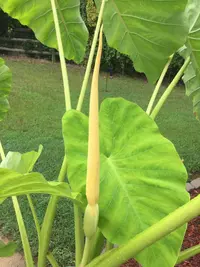
Hosta Care (Hosta 'Fragrant Bouquet')

About Hosta

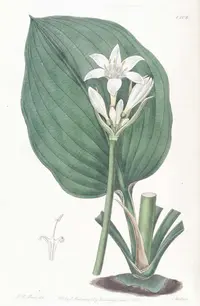
Hosta 'Fragrant Bouquet' is a shade-loving perennial prized for its large, glossy, apple-green leaves edged in creamy white and its strongly scented summer flowers. It forms a neat, low mound that slowly spreads, making it suitable for borders, shaded beds, and containers in temperate gardens.

Hostas originate mainly from woodland habitats in East Asia, so this cultivar also prefers cool roots, consistent moisture, and humus-rich, well-drained soil. Light to medium shade usually brings out its best leaf color and helps prevent scorch.

Its robust foliage, moderate growth rate, and general disease resistance make it straightforward for beginners who want to learn how to care for Hosta without dealing with demanding conditions.

Main Plant Requirements

Care Difficulty

Easy Care

Light Preference

Partial Shade

Water Requirements

Regular Water

Temperature Preference

Cold Hardy

Hardiness Zone

3–8

Soil Texture

Loamy, Silty, Organic-rich

Soil pH

Acidic (5.5–6.5), Slightly acidic (6.5–7.0)

Soil Drainage

Moist but well-drained

Fertilization

Light (every 4–6 weeks)

Get Personalized Care Plan

Scan your plant to receive care tips personalized for your specific plant

Available on iOS and Android

How to Care for the Hosta

This cultivar prefers bright shade with limited direct sun for best foliage color and vigor.

  • Provide 2–4 hours of gentle morning sun with dappled or filtered light the rest of the day to reduce leaf scorch risk.
  • Site the plant in partial shade; protect from strong midday and afternoon sun, especially in hotter regions and near reflective surfaces.
  • In cooler climates, it tolerates a bit more sun, but in summer heat shift Hosta 'Fragrant Bouquet' to deeper shade if leaves fade or crisp at the edges.

This plant prefers consistently moist but not waterlogged soil during the active growing season.

  • Water when the top 3–5 cm of soil feel dry, soaking the root zone deeply rather than giving frequent light splashes.
  • Use rich, well-drained soil or beds; mulch 3–5 cm thick to slow surface drying but keep mulch a few cm away from the crowns to reduce rot risk.
  • In spring and summer, watch for drooping, dull leaves as a sign of thirst; yellowing, mushy leaves or a sour smell in soil indicate overwatering in Hosta 'Fragrant Bouquet'.

This hardy perennial tolerates a wide temperature range but grows best in cool to mild conditions.

  • Active growth is strongest around 60–75°F (16–24°C), with foliage quality best in areas that offer cool nights and moderate daytime warmth.
  • Established plants tolerate winter lows near 0°F (-18°C) in the ground when mulched, but young crowns benefit from a protective leaf or bark layer in colder zones.
  • In summer, growth slows above 85°F (29°C); provide extra shade and soil moisture during hot spells to limit leaf scorch and stress.

This cultivar grows well in typical outdoor humidity but benefits from slightly moist air in hot, dry regions.

  • Aim for 40–60% humidity, which is common outdoors in many climates during the growing season.
  • Dry, windy conditions can crisp leaf edges and tips, especially on new or variegated foliage.
  • Increase humidity slightly by using organic mulch over the root zone and avoiding reflected heat from nearby hard surfaces.

Hosta 'Fragrant Bouquet' prefers consistently moist, well-drained, organic-rich soil with a loose structure.

  • Use a loamy mix rich in compost or leaf mold to hold moisture yet stay friable and airy.
  • Ensure drainage by avoiding heavy, compacted clay; amend with compost plus pine bark fines or coarse sand where needed.
  • Aim for slightly acidic to neutral pH around 6.0–7.0 for optimal nutrient uptake and root health.
  • Avoid waterlogged or bone-dry ground; soil should feel evenly moist at root depth, not sticky or dusty.

This hosta is suitable for container growing outdoors on patios, decks, or shaded entrances.

  • Choose a wide, moderately deep pot to accommodate spreading roots and the mature clump without crowding.
  • Use a heavier or weighted container in windy sites so the leafy mound stays stable and does not tip.
  • Select a potting mix that drains freely but retains moisture, such as peat- or coir-based mix with added pine bark.

This cultivar benefits from modest, consistent nutrition during the active growing season.

  • Use a balanced, slow-release fertilizer (such as 10-10-10) or well-rotted compost as new growth emerges in spring.
  • Feed every 6–8 weeks through mid-summer, then stop by late summer to allow Hosta to harden off.
  • Apply at half the label strength for container plants to avoid root burn and salt buildup.
  • Do not fertilize during fall and winter dormancy, except for a very light spring topdressing of compost.

Pruning Hosta 'Fragrant Bouquet' is mainly about cleanliness and maintaining a neat clump.

  • In early spring, remove any leftover dead foliage at the base using clean, sharp shears or a knife.
  • During the season, trim yellowing, slug-damaged, or broken leaves at soil level to reduce disease pressure.
  • After flowering, cut spent flower scapes down to the base to direct energy back into roots and foliage.
  • In late fall, remove collapsed leaves after frost to limit overwintering pests and improve spring emergence.

This hosta is usually grown in the ground and only needs transplanting or division every few years.

  • Plan to lift and divide clumps every 4–6 years, ideally in early spring as new shoots (eyes) just emerge, or in early fall.
  • Transplant when growth becomes crowded, centers thin out, or plants show reduced vigor despite good care.
  • Dig widely around the clump, lift carefully, and divide with a sharp knife or spade, keeping several eyes and roots per division.
  • Replant divisions at the same depth, water thoroughly, and keep soil evenly moist for 2–3 weeks to reduce transplant stress.

Propagation of Hosta 'Fragrant Bouquet' is most reliable by division rather than seed.

  • Divide mature clumps in early spring as shoots appear or in early fall while soil is still warm.
  • Lift the entire plant and gently wash or tease soil from roots to see natural divisions.
  • Use a clean, sharp knife or spade to cut clump into sections, each with 2–4 eyes and a healthy root system.
  • Replant divisions promptly in moist, well-drained soil with light shade, then water consistently until new growth resumes.

This hosta is cold hardy in most temperate climates and normally needs only minimal winter care.

  • Foliage will die back after hard frost; cut or remove collapsed leaves to reduce pest and disease carryover.
  • Apply 5–8 cm of organic mulch after the ground cools to insulate the crown and roots.
  • In very cold or exposed sites, add an extra mulch layer and avoid disturbing the dormant crown.
  • Container-grown plants are more vulnerable; move pots into a sheltered, unheated area or bury the container to protect roots.

Care Tips

Slug barrier setup

Apply a 2–3 in band of coarse mulch or crushed gravel around the clump in early spring to create a rough surface that discourages slugs from reaching the young leaves.

Spring division timing

Divide mature clumps just as new shoots are 2–5 cm tall, using a sharp spade to separate sections with at least 2–3 eyes each, then replant immediately at the same depth to maintain strong vigor and uniform growth.

Scape management

After flowers fade, cut flower scapes back cleanly at the base to direct energy into leaf and root growth and keep the plant looking tidy through late summer.

Leaf damage cleanup

Remove and discard badly torn, slug-eaten, or diseased leaves during the season to reduce pest hiding places and improve air movement through the clump.

Winter sanitation

Once hard frosts collapse the foliage, cut back and remove all dead leaves and debris around the crown to reduce overwintering slugs and fungal spores, which supports healthier growth when caring for Hosta the following spring.

Common Pests and Diseases

Slugs and snails

This pest causes large, irregular holes in leaves, often starting at the edges, and leaves shiny slime trails on or around the plant.

Solution

Hand-pick at night or early morning, set out beer traps or iron phosphate bait, and remove nearby hiding spots such as dense mulch or debris; a 5–8 cm barrier of crushed eggshells or diatomaceous earth around clumps can also reduce damage while still allowing normal watering when caring for Hosta.

Foliar nematodes

These microscopic worms feed inside leaf tissue, causing yellow to brown streaks or patches between veins that often look water-soaked before turning necrotic.

Solution

Remove and discard affected leaves, avoid overhead watering, and keep foliage dry to limit spread; if damage is severe, dig up and destroy heavily infested plants and replant with clean stock after rotating the planting area for at least 1–2 seasons.

Hosta virus X

This disease causes mottled, streaked, or ink-bleed patterns on leaves, often with distorted growth and reduced vigor over time.

Solution

Immediately remove and destroy any suspect plants, disinfect tools with a 10% bleach solution or 70% alcohol between cuts, and only purchase new plants from reputable suppliers that test stock for HVX to prevent reintroduction into the garden.

Crown rot (southern blight)

This disease leads to sudden wilting, yellowing, and collapse of foliage, often accompanied by brown, mushy tissue at the crown and white fungal growth with small tan sclerotia on the soil surface.

Solution

Excavate and discard infected plants and surrounding soil, improve drainage and avoid overwatering, and if replanting in the same area, raise beds or amend soil to keep crowns slightly above soil level while maintaining good air movement around the plant base.

Black vine weevil

These insects notch leaf edges with characteristic U-shaped bites, while larvae feed on roots and crowns, causing stunted growth or plant collapse.

Solution

Inspect at night and hand-pick adults from leaves, apply beneficial nematodes to the soil in spring or late summer to target larvae, and reduce nearby hiding places such as dense groundcovers while monitoring plants regularly for renewed chewing damage.

Interesting Facts

Award-winning hybrid origin

This cultivar is a hybrid of Hosta 'Fragrant Bouquet' × Hosta 'Sum and Substance' selected by Hans Hansen for its unusually bright foliage and strong fragrance, and it has received formal recognition from the American Hosta Society for garden performance.

Distinct apple-green margins

Its leaves show an uncommon reverse variegation pattern for hostas, with creamy to near-white centers and broader apple-green margins that intensify in color as the season progresses, making the plant especially visible in low-light garden areas.

Enhanced evening fragrance

The pale, near-white funnel-shaped flowers release a noticeably stronger perfume in the late afternoon and evening, a trait associated with moth pollination in fragrant hosta cultivars sharing H. plantaginea ancestry.

Botan icon

Did you know?

This cultivar was specifically bred to combine very large, bold foliage with strong flower fragrance, filling a niche for gardeners who wanted a showy, high-impact landscape hosta that also functions as a scented plant near paths, patios, and entryways.

FAQs about Hosta

Poor flowering often comes from too little light, excessive nitrogen fertilizer, or young age. Ensure stable moisture, moderate fertilization, and a few years of establishment. Deadhead spent stalks to direct energy back to the crown for next season’s buds.

Grow Healthy Plants with Botan Care

Keep your plants happy and healthy with plant identification, disease detection, and easy care guidance.

Botan plant care app — identify plants on mobile

Explore More Plants