dwarf iris Care (Iris pumila)

dwarf iris

About dwarf iris

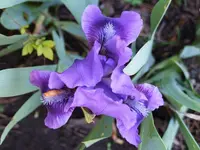
Dwarf iris, Iris pumila, is a compact, rhizomatous perennial grown mainly for its early spring flowers and neat clumping habit. It stays very low to the ground, forming tight fans of narrow, sword-like leaves. Short stems carry relatively large, often bicolored blooms in blues, purples, yellows, or whites. The species is native to dry, open habitats in central and eastern Europe, which explains its preference for sun and well-drained soil. It is generally straightforward to grow if kept out of soggy conditions and given enough light, so most of the challenge lies in avoiding excess moisture. Gardeners looking to learn how to care for dwarf iris will find it suits rock gardens, borders, and containers in many temperate climates.

Main Plant Requirements

Care Difficulty

Easy Care

Light Preference

Full Sun

Water Requirements

Low Water

Temperature Preference

Cold Hardy

Hardiness Zone

3–9

Soil Texture

Sandy, Loamy, Rocky

Soil pH

Slightly acidic (6.5–7.0), Slightly alkaline (7.0–7.5)

Soil Drainage

Well-drained

Fertilization

Minimal (feed rarely)

Get Personalized Care Plan

Scan your plant to receive care tips personalized for your specific plant

Available on iOS and Android

How to Care for the dwarf iris

Iris pumila thrives in open, sunny positions that mimic its natural rocky habitat.

  • Provide 6–8 hours of direct sun daily; morning sun with light afternoon shade is ideal in hot summer regions.
  • Plant in a spot with unobstructed exposure; dwarf iris tolerates light partial shade but flowering and compact growth decline below 4–5 hours of sun.
  • In cool or northern climates, full sun all day is suitable, but in very hot areas protect from intense late-afternoon sun to prevent leaf scorch.

Iris pumila prefers dry to moderately moist soil and is more tolerant of drought than excess water.

  • Allow the top 3–5 cm of soil to dry between waterings, then water thoroughly so moisture reaches the root zone but drains away quickly.
  • During active spring growth, monitor weekly for wilted, folding leaves as a sign the soil has stayed dry too long; water before leaves visibly droop.
  • Reduce watering in summer dormancy and winter; soft, yellowing fans or a rotting rhizome indicate overwatering or poor drainage that needs correction.

This species handles a wide temperature range but performs best with cool to mild conditions during active growth.

  • Optimal growth occurs around 55–75°F (13–24°C), especially in spring when new fans and flower stalks develop.
  • Established clumps tolerate winter cold down to about -20°F (-29°C) with good drainage, though mulching in very exposed sites helps protect rhizomes.
  • In hot summers, plants cope with short periods up to 90–95°F (32–35°C) if soil is not waterlogged; extended extreme heat can reduce flowering the following season.

This species prefers relatively dry air and usually does not need humidity adjustment.

Iris pumila prefers lean, well-aerated, fast-draining soil that keeps rhizomes slightly raised and dry.

  • Use sandy or gritty loam with 30–50% coarse mineral material such as sharp sand, fine gravel, or grit.
  • Keep organic matter low to moderate; mix in only 10–20% compost to avoid moisture buildup around rhizomes.
  • Aim for slightly alkaline to neutral pH 6.8–7.5; add garden lime if native soil is very acidic.
  • Avoid heavy clay, peat-heavy mixes, or soils that stay wet for more than 1 day after rain or watering.

This species can grow successfully in containers if drainage and rhizome placement are carefully managed.

  • Choose a wide, shallow pot so rhizomes can sit near the surface with space to spread horizontally.
  • Select a clay or other porous container to let excess moisture evaporate and keep rhizomes from staying damp.
  • Fill the pot with a gritty, fast-draining mix and keep the top of the rhizome slightly exposed above the surface.

Iris pumila benefits from light, targeted feeding rather than heavy fertilization.

  • Apply a balanced, slow-release fertilizer (around 10-10-10) once in early spring as new growth starts.
  • Use a low dose at about half the label rate to avoid soft, floppy foliage and reduced flowering.
  • In lean soils, top-dress with a thin layer of compost in spring, keeping it off the rhizomes.
  • Do not feed in late fall or winter, as the plant is dormant and excess nutrients may cause rot.

Pruning Iris pumila is mainly about hygiene and keeping clumps compact.

  • Cut spent flower stalks down to the base after blooming to direct energy back to the rhizomes.
  • Remove yellowing, dead, or damaged leaves with clean, sharp shears to reduce disease risk.
  • Thin out very crowded fans in late summer to improve air flow and maintain a neat mound.
  • Disinfect tools before and after use, especially if any leaf spots or rot are present.

Transplanting Iris pumila focuses on renewing crowded clumps rather than frequent pot repotting.

  • Look for signs like reduced flowering, very dense clumps, or rhizomes heaving above soil before dividing.
  • Plan to lift and transplant every 3–4 years, ideally in late summer to early fall after flowering.
  • Gently lift rhizomes, shake or wash off soil, and trim damaged roots to limit stress.
  • Replant divisions shallowly in well-drained soil, water once to settle, then keep slightly moist until established.

Propagation of Iris pumila is most reliable through division, with seed used mainly for breeding or new forms.

  • Divide rhizomes in late summer when flowering has finished and growth slows.
  • Select firm, healthy rhizome sections with at least 1–2 leaf fans, discarding soft or rotten pieces.
  • Replant divisions so the top of the rhizome is just at soil surface in a sunny, well-drained spot.
  • For seed, sow in pots outdoors for natural winter chilling, as many Iris seeds need cold to break dormancy.

This species is generally cold hardy and needs minimal winter care in most temperate climates.

  • Iris pumila tolerates typical USDA zone 3–8 winters once established in well-drained soil.
  • After hard frost, remove mushy or diseased foliage, leaving healthy leaves or fans in place.
  • In very cold or exposed sites, add a light mulch layer around but not over the rhizomes.
  • Container plants in freezing climates benefit from moving pots into a cold, frost-free garage or against a sheltered wall.

Care Tips

Rhizome exposure

When planting or dividing, keep the top of each rhizome just at or slightly above the soil surface so it receives light and stays dry enough to resist rot and fungal diseases.

Clump renewal

Every 3–4 years, lift and divide crowded clumps in midsummer, trimming foliage to 10–15 cm and replanting only the firm outer rhizomes to maintain flowering and reduce disease pressure.

Targeted weed control

Hand-weed around plants and use a thin, open mulch like coarse gravel rather than organic mulches so the rhizomes stay airy and do not compete with aggressive groundcovers.

Alkaline-friendly bed

If soil is naturally acidic, lightly dust the planting area with garden lime based on soil test recommendations to maintain the slightly alkaline conditions this species prefers.

Winter drainage check

Before winter, inspect beds for low spots and improve drainage with raised ridges or gritty amendments so water does not pool around rhizomes during freeze–thaw cycles, which can damage plants when growing dwarf iris.

Common Pests and Diseases

Iris borer

This pest is the larva of a moth that tunnels into leaves and rhizomes, causing streaked foliage, mushy rhizomes, and foul-smelling rot. Symptoms include ragged leaf edges, frass inside tunnels, and entire fans collapsing in late spring or early summer.

Solution

Cut and discard old foliage in fall to remove overwintering eggs, and destroy any infested fans and soft, tunneled rhizomes as soon as damage is seen. In high-risk areas, apply a targeted garden insecticide or spinosad spray to the emerging foliage in early spring, and keep beds weed-free so borers are easier to spot.

Bacterial soft rot

This disease attacks damaged or waterlogged rhizomes, turning them soft, foul-smelling, and brown while leaves yellow and collapse. Symptoms include a slimy texture at the rhizome base and a strong, unpleasant odor when the tissue is pressed.

Solution

Dig out affected rhizomes, cut back to firm, healthy tissue, and discard any rotted parts, then allow cut surfaces to dry before replanting in fresh, well-drained soil. Space clumps so air moves freely, avoid overhead watering, and prevent injury to rhizomes, which reduces infections and supports long-term Iris pumila care.

Leaf spot (Didymellina)

This disease causes small, water-soaked spots on leaves that enlarge into tan to brown lesions with darker margins, leading to premature leaf dieback. Symptoms include spotted, yellowing foliage that looks scorched from the tips downward in humid or wet conditions.

Solution

Remove and discard spotted or dead leaves during the season and clean up all old foliage in fall to reduce spores. Keep overhead watering to a minimum, improve air circulation, and in severe or recurring cases use a labeled ornamental fungicide according to directions at the first sign of spotting.

Aphids

These insects feed on young leaves and flower stems, sucking sap and causing distorted growth, sticky honeydew, and sometimes sooty mold on foliage. This pest tends to cluster on tender shoots and buds, especially in cool, mild weather.

Solution

Spray affected foliage with a strong stream of water to dislodge colonies, and pinch off heavily infested shoots. If populations remain high, treat with insecticidal soap or a light horticultural oil, coating both upper and lower leaf surfaces, and repeat as needed according to label guidance.

Slugs and snails

These pests chew irregular holes in young leaves and flower stalks, leaving slime trails on or around the plants. Symptoms include shredded foliage near the soil surface, especially in damp, shaded spots or after rain.

Solution

Hand-pick slugs and snails in the evening or early morning and reduce hiding places such as dense weeds or debris near clumps. Use barriers like copper tape or sharp grit, and where pressure is high, place iron phosphate slug baits around plantings, following package directions and keeping products away from children and pets.

Interesting Facts

Natural steppe specialist

Iris pumila is naturally found in dry, open steppe and sandy grassland habitats from central and eastern Europe to western Asia, where it forms low, dense clumps that help stabilize poor, erosion-prone soils.

Hybridization cornerstone

This species has been heavily used in breeding programs as a key parent for miniature dwarf bearded irises, passing on its compact size, early flowering habit, and wide range of flower colors to many modern cultivars.

Early spring bloomer

In its native range Iris pumila typically flowers very early in spring, often before many grasses have fully greened up, providing one of the first nectar and pollen sources for emerging pollinators in open habitats.

Botan icon

Did you know?

Cytological studies have shown that Iris pumila includes both diploid and polyploid forms in wild populations, making it a useful model for research on chromosome variation, hybridization, and evolutionary processes within the genus Iris.

FAQs about dwarf iris

Lack of flowers usually comes from bulbs planted too deep, overcrowded clumps, or insufficient winter chill. Dividing congested rhizomes, providing a pronounced cold period, and avoiding high‑nitrogen fertilizer typically restores flowering over the next season.

Grow Healthy Plants with Botan Care

Keep your plants happy and healthy with plant identification, disease detection, and easy care guidance.

Botan plant care app — identify plants on mobile

Explore More Plants