Beetle Lily Care (Baeometra uniflora)

Beetle Lily

About Beetle Lily

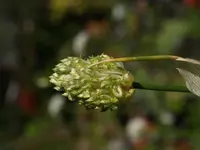
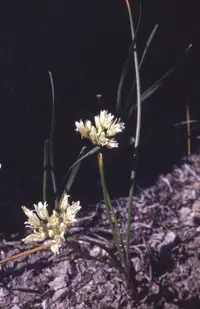
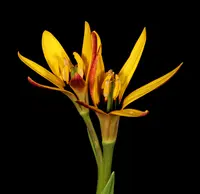
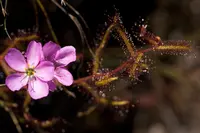
Beetle lily, Baeometra uniflora, is a small corm-forming perennial from the iris family, valued for its glossy, star-shaped yellow flowers with dark centers. It produces slender, upright leaves and typically forms low clumps that emerge in the cooler, wetter season and die back to the corm in dry periods.

This species is native to winter-rainfall regions of South Africa, where it grows in open, sunny grassland and rocky slopes. Its seasonal dormancy and need for a dry rest period are the main traits that influence how to care for Beetle Lily.

In cultivation it prefers bright light, well-drained gritty or sandy soil, and moderate moisture during active growth, followed by much drier conditions when dormant.

Main Plant Requirements

Care Difficulty

Moderate Care

Light Preference

Full Sun

Water Requirements

Moderate Water

Temperature Preference

Warm Climate

Hardiness Zone

9–11

Soil Texture

Sandy, Loamy, Organic-rich

Soil pH

Slightly acidic (6.5–7.0), Neutral (7.0)

Soil Drainage

Well-drained

Fertilization

Minimal (feed rarely)

Get Personalized Care Plan

Scan your plant to receive care tips personalized for your specific plant

Available on iOS and Android

How to Care for the Beetle Lily

This bulb prefers bright, open conditions with plenty of direct sun in its growing season.

  • Provide 6–8 hours of direct sun daily, ideally full morning and early afternoon sun in open ground or rock garden settings.
  • It tolerates light partial shade, but flowering of Beetle Lily declines if it receives under 4–5 hours of direct sun during late winter–spring.
  • In very hot inland areas, protect from harsh late-afternoon summer sun to reduce scorching of foliage and premature soil drying.

This species prefers moist but not saturated soil during active growth, then much drier conditions when dormant.

  • In growth, water when the top 3–5 cm of soil feel dry, aiming for consistently slightly moist soil without puddling or mud.
  • Use fast-draining, sandy or gritty soil so excess water runs off quickly; prolonged soggy conditions can cause bulb rot and yellowing, limp leaves.
  • Reduce or stop watering once foliage dies back in late spring, keeping bulbs almost dry through summer dormancy to prevent decay in Baeometra uniflora.

This bulb thrives in mild, Mediterranean-type climates with cool, wet winters and warm, dry summers.

  • Optimal growth occurs around 50–68°F (10–20°C) during the active winter–spring period, with cool nights encouraging sturdy foliage and flowering.
  • Bulbs tolerate down to about 25°F (-4°C) for short periods if soil is well drained, but repeated hard frosts can damage emerging shoots and buds.
  • During summer dormancy, it handles dry heat up to 90–95°F (32–35°C) if bulbs remain shaded in the soil and not exposed at the surface.

Humidity plays only a minor role for Baeometra uniflora, which adapts well to typical home and outdoor air levels.

  • Target 30–60% relative humidity, similar to most temperate indoor and outdoor environments.
  • The plant tolerates short spells of drier air but may show slightly crisper leaf tips if combined with underwatering.
  • If foliage looks papery in heated rooms, group pots together or place the container on a pebble tray with water below the pot base.

Baeometra uniflora prefers a sharply drained, sandy to loamy substrate that stays barely moist during growth and dry when dormant.

  • Use a mix such as 50–60% sandy or gritty loam with 40–50% coarse sand or fine gravel to prevent waterlogging around the corms.
  • Keep pH slightly acidic to neutral (pH 6.0–7.0), avoiding strongly acidic or alkaline conditions that can limit nutrient uptake.
  • Improve aeration by adding perlite or pumice (10–20%) to any heavier garden loam before planting in beds or containers.
  • Avoid compacted, clay-heavy, or boggy soil, which greatly increases the risk of corm and root rot, especially in cool weather.

This species is well suited to container cultivation in climates with wet winters and dry summers.

  • Choose a pot at least 20–25 cm deep to allow the corms to sit several centimeters below the rim while leaving space for a dry mulch layer.
  • Select a heavy terracotta or ceramic container if exposure is windy, as the narrow foliage and flower stems can make the pot unstable when tall.
  • Ensure drainage holes remain fully open by covering them with coarse shards or mesh, then adding a 2–3 cm layer of grit at the base before the main mix.

This bulb from Mediterranean-climate regions grows acceptably in average soil but benefits from light feeding in poor or very sandy sites.

  • Use a balanced, dilute liquid fertilizer (for example 10-10-10 at 1/2 strength) during active spring growth if leaves look pale or growth is weak.
  • Apply every 4–6 weeks in the growing season only; avoid summer dormancy and winter when the bulbs rest underground.
  • In garden beds, a thin top-dressing of fine compost in early spring is usually sufficient for Beetle Lily.
  • Do not overapply fertilizer, as excess nitrogen can cause soft growth and increase rot risk around the bulbs.

Baeometra uniflora needs only light, targeted pruning focused on spent and damaged foliage.

  • In late spring or early summer, remove spent flower stalks at the base to keep the plant tidy and reduce unwanted self-seeding.
  • Allow green leaves to yellow and dry naturally; cut them back only once fully withered to let bulbs recharge.
  • Use clean, sharp scissors or small hand pruners to avoid tearing the narrow leaves and stems.
  • Avoid cutting healthy foliage during active growth, as this can reduce flowering in the following season.

This small bulb is usually grown in the ground, with transplanting focused on lifting and replanting clumps rather than frequent repotting.

  • Plan to lift and divide clumps every 3–5 years in late summer or early fall, when bulbs are fully dormant and foliage has disappeared.
  • Choose new sites with well-drained soil; soggy conditions lead to bulb rot and poor performance.
  • Handle bulbs gently, keeping any attached roots intact, and replant at the same depth with minimal delay to limit transplant shock.
  • Water lightly after replanting to settle soil around bulbs, then resume normal moisture once new growth appears in the next season.

Multiplication of Baeometra uniflora is commonly done by seed and by dividing dormant bulbs.

  • Sow fresh seeds in fall in a gritty, free-draining mix, leaving trays outdoors for natural winter chilling that supports germination in spring.
  • Keep seed containers evenly moist but not wet, and expect seedlings to take 2–3 years to reach flowering size.
  • For faster increase, lift and divide offsets from established clumps in late summer dormancy, separating smaller bulbs by hand.
  • Replant divisions at the same depth and spacing as the parent bulbs, then label clearly to avoid disturbing them during their first growth cycle.

This bulb is moderately hardy and often survives normal winter conditions in mild climates with minimal attention.

  • In regions with wet winters, ensure excellent drainage so bulbs do not sit in waterlogged soil that encourages rot.
  • Apply a light mulch layer after the ground cools, keeping material thin over the bulb zone to avoid excess moisture retention.
  • For containers in colder zones, move pots to a cold, frost-free shelter such as an unheated garage, keeping the soil barely moist during dormancy.

Care Tips

Summer dry rest

Allow the soil to dry completely and keep the bulbs almost dry in summer dormancy, then resume light watering only once firm new shoots reappear to avoid bulb rot.

Deep bulb planting

Plant bulbs 8–10 cm deep in well-drained beds or pots so they are insulated from surface temperature swings and less likely to be disturbed by cultivation or animals.

Controlled pot culture

Grow this species in tall, free-draining pots placed under shelter in high-rainfall regions, which allows precise control of winter moisture and easy lifting or storage in summer.

Seed pod management

Remove most spent flowers before seed pods mature so the plant directs energy back to the bulbs, but leave a few pods if seed collection or naturalizing is desired when growing Beetle Lily.

Regular bulb inspection

Lift and inspect clumps every 3–4 years during dormancy, discarding soft or diseased bulbs and replanting only firm, healthy ones to maintain a vigorous stand.

Common Pests and Diseases

Bulb mites

These pests feed inside or around the bulbs, especially in stored corms, causing weak shoots, poor emergence, and rotting tissue at the basal plate.

Solution

Discard badly infested corms, then clean and dry remaining bulbs thoroughly before storage. For mild cases, rinse corms in lukewarm water, allow them to dry fully, and store in a cool, dry, well-ventilated place; for valuable stock, a labeled bulb-soak miticide can be used according to product directions.

Narcissus bulb fly

This pest lays eggs at the base of bulbs, and the larvae tunnel into the corm, hollowing it out and leading to stunted or absent flowering.

Solution

Inspect corms before planting and destroy any that feel soft or show tunneling. In areas where this fly is present, lift and store bulbs promptly after foliage dies back, cover stored bulbs with fine mesh, and avoid leaving corms exposed on the soil surface where adults can lay eggs.

Corm rot

This disease affects corms in poorly drained or waterlogged soil, causing soft, discolored patches that lead to collapse of emerging shoots.

Solution

Remove and discard any soft or discolored corms and improve drainage by planting in raised beds or gritty, well-drained soil. Space corms so air can move through the planting, avoid overhead watering, and store lifted corms in a dry, airy environment to reduce fungal development.

Anthracnose leaf spots

This disease creates small, brown to dark lesions on leaves that may merge, leading to blighted foliage and reduced vigor.

Solution

Remove and dispose of affected leaves to reduce the source of spores and avoid wetting foliage when watering. Ensure good spacing and airflow, and in persistent cases apply a labeled ornamental fungicide during the early growth phase, following the product label carefully.

Slugs and snails

These pests chew irregular holes in young leaves and flowers, and can severely damage emerging shoots in damp, shaded conditions.

Solution

Hand-pick slugs and snails in the evening, use barriers such as copper tape or gritty mulch around plant clumps, and remove resting sites like dense debris. In high-pressure areas, place iron phosphate slug pellets around but not on top of the plants, keeping them away from children and pets, as part of broader Baeometra uniflora plant care.

Interesting Facts

Beetle-pollinated flowers

The flowers are adapted for pollination by beetles, with a cup-shaped form and dark central markings that help guide insects to the nectar and pollen.

Toxic alkaloid content

The plant contains toxic alkaloids in its bulbs and leaves, which deter herbivores and make it unsuitable for grazing animals or pets.

Mediterranean-type native range

This species is native to winter-rainfall regions of South Africa, where it grows in open, seasonally moist habitats and becomes dormant during the dry summer.

FAQs about Beetle Lily

Lack of flowers usually comes from insufficient dormancy, overcrowded bulbs, or nutrient-poor soil. Allow a dry rest after foliage dies, avoid disturbing bulbs, and provide a light, balanced fertilizer in early growth to support flowering.

Grow Healthy Plants with Botan Care

Keep your plants happy and healthy with plant identification, disease detection, and easy care guidance.

Botan plant care app — identify plants on mobile

Explore More Plants