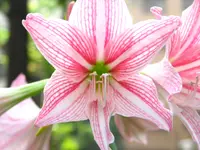
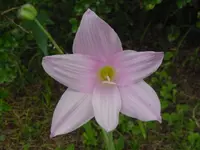
pink rain lily Care (Zephyranthes robusta)

Also known as: copper lily
pink rain lily

About pink rain lily

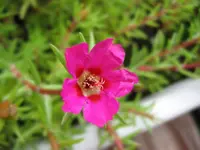
The pink rain lily, Zephyranthes robusta, is a small bulbous perennial known for its sudden flushes of soft pink, funnel-shaped flowers after rain or watering. It forms neat clumps of narrow, grassy foliage that stay low and tidy, making it suitable for borders, pots, and naturalized plantings.

This species is native to South America and has adapted well to warm, temperate climates in many regions. It is generally easy to grow as long as it receives good light, periodic moisture, and free-draining soil.

Gardeners who want to learn how to care for pink rain lily usually appreciate its ability to rest through dry periods and then respond quickly with new growth and blooms.

Main Plant Requirements

Care Difficulty

Easy Care

Light Preference

Full Sun

Water Requirements

Moderate Water

Temperature Preference

Tropical / Frost Sensitive

Hardiness Zone

8–11

Soil Texture

Sandy, Loamy, Organic-rich

Soil pH

Acidic (5.5–6.5), Slightly acidic (6.5–7.0)

Soil Drainage

Moist but well-drained

Fertilization

Light (every 4–6 weeks)

Get Personalized Care Plan

Scan your plant to receive care tips personalized for your specific plant

Available on iOS and Android

How to Care for the pink rain lily

Zephyranthes robusta prefers bright conditions that mimic open, lightly sheltered grasslands.

  • Provide 4–6 hours of sun daily, with morning sun and light afternoon shade ideal, especially in hotter climates.
  • Tolerates light or dappled shade, but flowering in pink rain lily drops if grown in less than 3–4 hours of direct or very bright light.
  • In summer, protect from harsh late-afternoon sun that can scorch leaves; in cooler seasons, allow more direct light to support strong bulb growth.

Watering should match this bulb’s natural cycle of rainy growth periods and drier rest phases.

  • During active growth and flowering, water when the top 3–5 cm of soil feels dry, then soak thoroughly so excess drains away.
  • Use free-draining soil to prevent waterlogging; constant soggy conditions cause bulb rot, yellowing leaves, and a soft, collapsing base.
  • In cooler or dormant periods, reduce watering so soil dries more deeply, watching for wrinkling or limp leaves as a sign to resume moderate moisture for Zephyranthes robusta.

This species grows best in warm, mild climates with protection from frost and extremes.

  • Aim for 65–80°F (18–27°C) during active growth for reliable leaf and flower development.
  • Bulbs tolerate brief dips to about 40°F (4°C), but foliage is damaged near 32°F (0°C); in frost-prone areas, mulch or lift and store bulbs dry.
  • In hot spells above 90°F (32°C), flowering may pause; provide light afternoon shade and avoid reflected heat from walls or pavement to limit stress.

This species handles typical indoor humidity well and rarely needs special humidity management.

  • Target 30–50% humidity, similar to most heated or air‑conditioned homes.
  • Plants tolerate drier air if soil moisture is consistent and bulbs are not left bone-dry for long.
  • Low humidity stress shows as limp, fast-wilting foliage; address it by checking watering rather than misting.
  • If air is very dry near heaters or vents, group pots or place a nearby water tray to slightly raise local humidity.

Zephyranthes robusta grows best in loose, well-drained, moderately fertile soil that mimics sandy, open ground.

  • Use a mix of roughly 50% standard potting mix, 25% coarse sand, and 25% perlite to create a light, fast-draining medium around the bulbs.
  • Aim for slightly acidic to neutral pH, around 6.0–7.0, which supports nutrient availability without stressing roots.
  • Position bulbs in soil that stays lightly moist after rain or watering but dries at the surface within 1–2 days to prevent rot.
  • Avoid heavy clay, compacted soil, or mixes holding water for many days, and add extra perlite or sand whenever drainage seems sluggish.

This bulb species is well suited to container growing for controlled moisture and easy display.

  • Choose a wide, shallow container so bulbs can be clustered with 2–3 cm between them while roots still have room to spread downward.
  • Use a potting mix that drains quickly, then elevate the pot on feet or bricks so drainage holes never sit in collected water.
  • In windy or exposed spots, select a heavier clay or ceramic pot to stabilize the relatively tall flowering stems and prevent tipping.

Zephyranthes robusta responds well to light, consistent nutrition during active growth.

  • Use a balanced liquid fertilizer (for example 10-10-10) at 1/2 strength every 3–4 weeks during spring and summer when pink rain lily is in leaf and bud.
  • Alternatively, apply a thin layer of compost or a low-dose slow-release bulb fertilizer at the start of the growing season.
  • Always water the bulbs first, then apply fertilizer to damp soil to reduce root and bulb burn risk.
  • Stop feeding once foliage begins to yellow and the plant heads into dormancy, resuming only when fresh leaves appear.

Pruning needs for Zephyranthes robusta are minimal and focus on hygiene rather than shaping.

  • Remove faded flowers at the base once they collapse to reduce seed formation and conserve energy for bulbs.
  • Allow green leaves to die back naturally, trimming only fully yellow or brown foliage with clean, sharp scissors or pruners.
  • Cut away any diseased, damaged, or mushy bulbs when lifting clumps, discarding affected material to limit rot spread.

Zephyranthes robusta bulbs prefer to stay slightly crowded, so repotting or transplanting is infrequent but sometimes helpful.

  • Check for roots circling the pot drainage holes, soil drying very fast, or reduced flowering as signs a clump is too congested.
  • Plan repotting or garden transplanting in late winter to early spring, just before new growth, every 3–4 years.
  • Gently lift the bulbs, shake off loose soil, keep roots shaded, and replant at the same depth in fresh, well-drained mix.
  • Water lightly after transplanting, then keep the soil just barely moist for 1–2 weeks to limit shock and allow roots to reestablish.

Zephyranthes robusta is most commonly multiplied by division of mature bulb clumps.

  • Lift clumps in late winter or early spring, when plants are dormant or just sprouting, for least disturbance.
  • Separate offsets by hand, keeping as many roots attached as possible, and discard any soft or clearly rotted bulbs.
  • Replant offsets at their original depth in sharply drained soil, spacing 5–10 cm apart for good airflow and flowering.
  • For seed propagation, sow fresh seed on the surface of moist, free-draining mix, keep warm and bright, and expect slower maturity.

In mild climates, Zephyranthes robusta usually needs only light winter care, but colder areas require more protection.

  • In USDA zones about 8–10, bulbs can overwinter in the ground with well-drained soil and no special covering.
  • In cooler regions, apply a 5–8 cm mulch layer over the planting area after foliage dies back to insulate bulbs.
  • For containers in regions with hard frost, move pots indoors to a cool, bright, frost-free space and keep soil just barely moist.

Care Tips

Bulb Clump Division

Every 3–4 years, lift and divide overcrowded clumps at the end of their dormant period, replanting offsets 5–8 cm apart to maintain strong flowering and reduce competition for nutrients.

Flowering Flush Timing

To encourage a more synchronized bloom display outdoors, slightly reduce watering for 1–2 weeks in warm weather, then provide a deep soak before an expected summer rain to trigger a stronger flowering flush.

Container Depth Choice

Use a relatively deep pot (at least 18–20 cm) with ample drainage holes so the bulbs can sit 5–7 cm below the soil surface, which helps protect them from temperature swings and improves rooting.

Dormancy Protection

In regions with cold winters, move containers to a dry, frost-free area around 40–50°F during dormancy, keeping the soil barely dry so the bulbs rest safely without rotting or sprouting too early.

Post-Bloom Leaf Care

After flowering, leave the foliage intact and uncut until it naturally yellows, as this period allows the leaves to replenish bulb energy reserves and is essential when caring for pink rain lily long term.

Common Pests and Diseases

Narcissus bulb fly

This pest targets the bulbs, where larvae tunnel inside and hollow them out, causing weak or collapsed foliage and poor flowering. Symptoms include sudden yellowing and lodging of leaves despite adequate water and light.

Solution

Lift suspect bulbs and cut them open to check for creamy white larvae; discard any infested bulbs and do not compost them. For prevention, cover planting areas with fine mesh during adult fly activity in late spring, plant bulbs slightly deeper, and maintain healthy, firm bulbs to reduce attraction.

Bulb nematodes

These microscopic worms invade the bulb scales, causing soft, spongy tissue, distorted shoots, and stunted clumps that fail to flower well. Symptoms include swollen or misshapen bulbs and poor regrowth after dormancy.

Solution

Remove and destroy all suspect bulbs showing soft or distorted tissue, and avoid replanting rain lilies in the same soil for several years. Use clean, certified bulbs, improve drainage, and in high-value collections consider hot water treatment of dormant bulbs (about 110–115°F for a short, controlled period) to reduce nematode load without cooking the bulbs.

Spider mites

These insects thrive on Zephyranthes foliage in hot, dry conditions, sucking sap and causing fine stippling, dull leaves, and eventual leaf tip browning. Symptoms include very fine webbing between narrow leaves and a dusty appearance on the foliage.

Solution

Rinse foliage thoroughly with a firm stream of water, including the leaf bases, and repeat several times over 1–2 weeks to break the life cycle. Increase humidity around pots, avoid water stress, and if needed use insecticidal soap or horticultural oil, applied in the early morning and repeated according to label directions.

Stagonospora leaf spot

This disease produces small, elongated reddish‑brown to dark spots on the narrow leaves that can merge into larger lesions, leading to premature leaf dieback. Symptoms include spotting that starts near the leaf tips or along the edges and may progress down toward the bulb if conditions stay wet.

Solution

Remove and discard affected leaves as soon as spotting appears and avoid overhead watering, especially late in the day. Improve spacing and airflow around clumps, water at soil level, and if outbreaks are recurrent consider rotating a labeled fungicide during warm, wet periods as part of overall Zephyranthes robusta care instructions.

Basal bulb rot

This disease begins at the basal plate of the bulb, causing a brown, soft, and often foul‑smelling decay that leads to sudden collapse of foliage. Symptoms include bulbs that feel soft at the base, pull free easily from the soil, and show brown, water‑soaked tissue when cut open.

Solution

Dig up any suspect bulbs, discard those with soft or discolored basal tissue, and improve drainage in beds or pots by using a gritty, free‑draining mix. Avoid planting bulbs too deeply or in poorly drained sites, reduce heavy summer watering once foliage begins to yellow, and disinfect tools and containers to limit spread.

Interesting Facts

Triggered rain flowering

Pink rain lily often flowers in response to sudden heavy watering or rainfall after a dry spell, a strategy that helps its blooms coincide with conditions that favor seed germination and bulb growth.

Chromosome count marker

This species has a characteristic chromosome number (2n = 48) that has been used by botanists to distinguish it from closely related Zephyranthes species that look similar but are cytologically different.

South American origin

The plant is native to parts of Uruguay and southern Brazil, and its adaptation to these warm, seasonally wet grasslands explains its tolerance for brief drought followed by rapid growth when moisture returns.

Botan icon

Did you know?

In some regions where it has escaped cultivation, this species has naturalized along roadsides and in lawns, forming dense flowering clumps that can alter the visual character of local grassland and urban green spaces, which has led some botanists to monitor its spread as a potentially invasive ornamental.

FAQs about pink rain lily

Lack of blooms usually comes from insufficient light, depleted bulbs, or a long dry rest without a good soaking afterward. A light fertilizer in spring and a defined dry–wet cycle often restores flowering when growing pink rain lily outdoors.

Grow Healthy Plants with Botan Care

Keep your plants happy and healthy with plant identification, disease detection, and easy care guidance.


Botan plant care app — identify plants on mobile

Explore More Plants