Bulb Lifting Schedule
In mild, wet-winter climates, lift and dry bulbs every 3–4 years after foliage dies back to prevent overcrowding, then replant the firm, healthy bulbs in fresh, well-drained ground in fall.

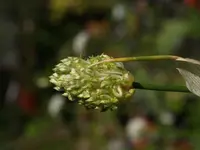
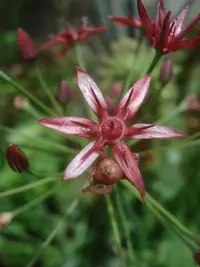
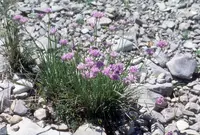
Drumstick allium, Allium guttatum subsp. sardoum, is a small bulb-forming perennial from the Mediterranean region. It belongs to the onion genus and shows a similar onion-like scent when damaged. Plants produce narrow, grass-like leaves at the base and slender stems topped with tight, oval flower heads in shades of reddish purple. These drumstick-shaped blooms give the plant its common name and add strong vertical accents in mixed plantings. In nature, it grows in rocky, well-drained sites with dry summers and mild, wetter winters. This background makes it a good choice for sunny, low-maintenance borders and gravel gardens. Understanding how to care for Drumstick Allium starts with providing plenty of light and sharply drained soil that does not stay wet for long periods.

Care Difficulty
Moderate Care

Light Preference
Full Sun

Water Requirements
Low Water

Temperature Preference
Warm Climate

Hardiness Zone
7–9

Soil Texture
Sandy, Loamy, Rocky

Soil pH
Slightly acidic (6.5–7.0), Slightly alkaline (7.0–7.5)

Soil Drainage
Well-drained

Fertilization
Minimal (feed rarely)
Scan your plant to receive care tips personalized for your specific plant
Available on iOS and Android
This sun-loving bulb thrives in open, bright positions typical of Mediterranean hillsides.
This species prefers relatively dry conditions and is sensitive to excess moisture around the bulbs.
This hardy bulb tolerates a wide temperature range but performs best with distinct cool and warm seasons.
This bulb tolerates a wide humidity range and rarely needs special humidity control indoors or outdoors.
Allium guttatum subsp. sardoum prefers lean, sharply drained mineral soil that mimics rocky, dry habitats.
This species is suitable for container growing when drainage is prioritized and the pot mimics a shallow, rocky site.
This bulb is adapted to lean soils and generally needs only light feeding for good performance when growing Drumstick Allium outdoors.
Allium guttatum subsp. sardoum needs minimal pruning, mainly to keep the clump tidy and support flowering performance.
This allium is usually grown in the ground; transplanting established clumps is done sparingly to avoid disturbing bulbs.
This species is commonly propagated by division of bulbs and from seed under suitable outdoor conditions.
This bulb is generally cold hardy in temperate climates and needs only modest winter care in the ground.

Plant Health Check
Not sure what's wrong with your plant? Check your plant's health inside the app.
This subspecies is naturally confined to limestone rocky slopes in Sardinia, growing in shallow, mineral-rich soils where many other bulbous plants struggle to survive.
It is considered a narrow endemic of Sardinia, meaning its natural distribution is restricted to a small geographic area, which increases its conservation interest for botanists.
The plant forms dense, ovoid to almost spherical flower heads on slender stems, a distinctive floral architecture that helps separate it morphologically from other Allium guttatum subspecies.

Taxonomically, this plant illustrates how subtle geographic and morphological variation within Allium can lead botanists to recognize infraspecific ranks such as subspecies, and it has been used as an example in discussions about Mediterranean Allium diversification.
The flowers are highly attractive to bees, hoverflies, and butterflies, especially in sunny, open sites. Dense, nectar-rich heads provide a valuable mid to late-season food source, supporting pollinators when some other ornamentals have finished flowering.
Keep your plants happy and healthy with plant identification, disease detection, and easy care guidance.