Geyer's onion Care (Allium geyeri)

Also known as: Geyer's Wild Onion
Geyer's onion

About Geyer's onion

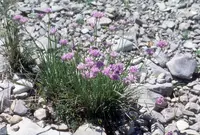
Geyer's onion (Allium geyeri) is a small, clump-forming perennial bulb native to western North America, often found in moist meadows and stream banks. It produces narrow, grass-like leaves and slender stalks topped with rounded clusters of pale pink to whitish flowers. The plant has a tidy, upright habit and forms loose colonies over time, giving a soft, natural look. Allium geyeri is generally sturdy and cold-hardy, but it dislikes hot, dry sites without reliable moisture. It prefers full sun to light shade and well-drained, evenly moist soil. Once its basic needs are understood, it is relatively straightforward to care for Geyer's onion in suitable climates.

Main Plant Requirements

Care Difficulty

Easy Care

Light Preference

Full Sun

Water Requirements

Regular Water

Temperature Preference

Cold Hardy

Hardiness Zone

3–8

Soil Texture

Sandy, Loamy, Rocky

Soil pH

Slightly acidic (6.5–7.0), Neutral (7.0)

Soil Drainage

Moist but well-drained

Fertilization

Minimal (feed rarely)

Get Personalized Care Plan

Scan your plant to receive care tips personalized for your specific plant

Available on iOS and Android

How to Care for the Geyer's onion

This sun-loving perennial thrives in open sites with strong light and cool roots.

  • Provide 6–8 hours of direct sun daily; light morning sun plus some afternoon sun is ideal in most temperate climates.
  • Accepts light partial shade, especially with 2–4 hours of afternoon shade in hotter areas, but dense shade reduces flowering and weakens Geyer's onion over time.
  • In exposed sites, monitor for leaf scorch during hot, dry spells and use nearby grasses, rocks, or low plants to cast light, filtered shade in midsummer.

This species prefers moist but fast-draining soil, especially during active spring growth.

  • Let the top 3–5 cm of soil dry before watering in the growing season; foliage that bends and feels limp signals the soil has stayed dry too long.
  • Use sharply drained, sandy or gravelly soil so excess water runs off quickly; soft, yellowing leaves or a rotting bulb base usually indicate overwatering or poor drainage.
  • Reduce watering sharply once foliage begins to yellow and die back, keeping the soil just barely moist to slightly dry during summer dormancy for Allium geyeri.

This hardy bulb tolerates cold winters but grows best in cool to mild conditions.

  • Active growth is strongest at 50–70°F (10–21°C); flowering and foliage quality decline if heat stays above 80°F (27°C) for long periods without soil moisture.
  • Dormant bulbs typically survive winter lows near 0°F (−18°C) with snow cover; in exposed, windy sites, mulch lightly to buffer rapid freeze–thaw cycles.
  • During hot spells above 85°F (29°C), maintain soil moisture without waterlogging and allow light afternoon shade to limit heat stress and tip scorch.

This species is adapted to relatively dry climates, so humidity is rarely a concern indoors or outdoors.

This bulb prefers lean, fast-draining soil that mimics its native rocky habitats.

  • Use sandy or gritty loam with 30–50% coarse sand or fine gravel to keep the root zone dry between waterings.
  • Incorporate a small amount of compost (10–20%) for nutrients but avoid heavy, peat-rich mixes that hold excess moisture.
  • Aim for slightly acidic to neutral pH around 6.0–7.0, which supports nutrient uptake without stressing the bulbs.
  • Ensure no standing water by planting on a slope, raised bed, or mound if native soil is compacted or poorly drained.

This species can be grown in containers if the pot is managed to stay sharply drained and relatively dry.

  • Choose a pot at least 20–25 cm deep so bulbs can sit 2–3 times their own height below the surface without crowding the base.
  • Select unglazed terracotta, which allows evaporation through the sides and reduces the risk of bulb rot after rain or watering.
  • Elevate the container on pot feet or bricks to keep drainage holes clear and prevent water pooling under the base.

This hardy native onion needs only light feeding in most garden soils.

  • Apply a thin layer of compost around clumps in early spring to support new growth when growing Geyer's onion.
  • Use a balanced slow-release fertilizer (around 10-10-10) once in spring if soil is poor or very sandy.
  • Dilute liquid fertilizer to 1/2 strength and apply only during active growth, every 4–6 weeks if needed.
  • Stop feeding in late summer as foliage dies back, and do not fertilize dormant bulbs in fall or winter.

Allium geyeri needs minimal pruning, mainly to keep clumps tidy and healthy.

  • In late spring or early summer, remove spent flower stems at the base to tidy appearance and reduce self-seeding.
  • Trim yellowing or dead leaves with clean scissors to limit fungal issues and improve air flow.
  • Avoid cutting green foliage hard, as leaves are needed to recharge the bulbs for next year’s growth.
  • In late season, allow remaining foliage to die back naturally before removing dry material.

This species is usually grown in the ground, with transplanting focused on established clumps rather than frequent repotting.

  • Plan to lift and divide crowded clumps every 3–5 years, ideally in late summer or early fall after foliage dies back.
  • Transplant when flowering declines, growth looks weak, or bulbs are densely packed and competing for space.
  • Gently lift clumps with a fork, separate bulbs by hand, and replant at the same depth in well-drained soil.
  • Water lightly after transplanting to settle soil around roots, then keep only slightly moist to reduce transplant shock.

Propagation of this bulbous onion is straightforward through division, with seeds as a slower option.

  • Divide established clumps in late summer or early fall once foliage has fully died back and bulbs are dormant.
  • Lift bulbs carefully, separate offsets from parent bulbs, and replant at similar depth with 10–15 cm spacing.
  • For seed propagation, sow fresh seed in fall outdoors for natural cold stratification, which improves germination.
  • Keep soil consistently lightly moist and well-drained while new roots establish, avoiding waterlogged conditions that rot bulbs.

This cold-hardy native usually needs little dedicated winter care in most temperate climates.

  • Bulbs tolerate normal winter frosts once established, especially in well-drained soil that prevents standing water.
  • Allow foliage to yellow and dry naturally in fall, then remove dead tops to reduce disease carryover.
  • In very cold or exposed sites, add a 2–5 cm layer of loose mulch over the planting area after ground cools.

Care Tips

Spring division timing

Lift and divide clumps right after flowering while foliage is still green, then replant immediately at the same depth to keep plants vigorous and prevent overcrowding.

Bulb marking method

Tag clumps with small, durable labels while the leaves are visible so you can accurately find and divide or relocate bulbs during the dormant season when the foliage has disappeared.

Mower protection strip

In lawn or meadow plantings, mark a no-mow strip or raise the mower height in late spring so the foliage can fully yellow and feed the bulbs before being cut back.

Targeted rodent deterrence

Where voles or gophers are a problem, plant bulbs in narrow hardware-cloth sleeves or small wire baskets to prevent them from being eaten while still allowing roots to spread.

Seed collection strategy

If growing Geyer's onion from seed, place small paper bags over a few drying flower heads to catch ripening seed before it shatters, then sow it in fall in a well-drained outdoor seed bed.

Common Pests and Diseases

onion thrips

This pest feeds by rasping and sucking sap from leaves, causing silvery streaks, tiny black specks, and gradual leaf drying. Symptoms include reduced vigor and distorted, twisted foliage in dense plantings or dry, windy sites.

Solution

Reduce nearby grass and weed hosts, then use a strong water spray on foliage to dislodge insects and repeat weekly during outbreaks. For persistent problems, apply a targeted insecticidal soap or spinosad product in the evening, coating both sides of leaves, and avoid overhead watering that creates plant stress afterward.

onion maggot

This pest lives as small white larvae that tunnel into bulbs and basal plates, causing yellowing foliage that collapses prematurely. Symptoms include soft, rotting bulbs that pull easily from the soil and may develop secondary decay.

Solution

Remove and destroy affected bulbs and surrounding soil clumps, then rotate planting to a new site for at least 3–4 years. In outdoor beds, use fine mesh row covers over emerging shoots and apply a thin sand or diatomaceous earth band around clumps to discourage egg laying at the soil surface.

downy mildew

This disease appears as pale, yellowish blotches on leaves followed by gray to purplish fuzzy growth in cool, humid conditions. Symptoms include leaf tip dieback and general weakening of the clump, especially in crowded or shaded sites.

Solution

Space plants to improve airflow, water at soil level in the morning, and remove heavily spotted leaves to reduce spore load. In recurring cases, apply a copper-based or phosphonate fungicide labeled for ornamental alliums at the first sign of lesions, repeating as directed during extended cool, damp weather.

Botrytis leaf blight

This disease causes small, water-soaked leaf spots that expand into tan or brown lesions with a soft, sometimes fuzzy gray surface. Symptoms include premature leaf collapse and, in wet seasons, patches of matted, blighted foliage within the clump.

Solution

Remove and discard infected foliage promptly and avoid wetting leaves when irrigating, using drip or soaker hoses instead. In sites with a history of Botrytis, thin or divide dense clumps, clean up all plant debris after flowering, and consider a preventative fungicide spray during prolonged wet periods.

Interesting Facts

Mountain stream specialist

This species is naturally restricted to moist meadows and streambanks in the western United States, especially in higher-elevation mountain habitats, unlike many garden alliums that favor drier, more open ground.

Distinctive bulb structure

Allium geyeri forms small clustered bulbs that often produce several narrow, grass-like leaves from each bulb, giving patches a fine-textured, tufted appearance in contrast to the broader foliage of many ornamental onions.

Role in native grasslands

In native montane grasslands and wet meadows, its early-season growth and flowers contribute to plant diversity and provide an additional nectar source for wild bees, flies, and other early pollinators.

FAQs about Geyer's onion

Poor flowering is usually caused by insufficient light, overcrowded bulbs, or depleted soil nutrients. Divide congested clumps every few years, provide full sun, and apply a light balanced fertilizer in early spring to support bud formation.

Grow Healthy Plants with Botan Care

Keep your plants happy and healthy with plant identification, disease detection, and easy care guidance.

Botan plant care app — identify plants on mobile

Explore More Plants