Mark Dormant Clumps
Flag the planting area with unobtrusive markers before foliage disappears in late spring so you avoid disturbing tubers during summer and fall garden work.

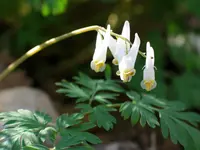
Dutchman's breeches (Dicentra cucullaria) is a small, spring-blooming woodland perennial native to eastern North America. It spreads by underground tubers and often forms low, dense colonies on forest floors and shaded slopes.
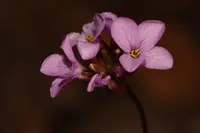
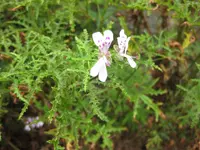
The plant has finely divided, fern-like blue-green leaves and short flower stalks carrying white to pale pink, pant-shaped blooms. These flowers appear for a brief period in early spring, then the foliage goes dormant as temperatures rise.
It prefers cool, moist, humus-rich soil and light to medium shade. For anyone learning how to care for dutchman's breeches, its short active season and summer dormancy are the main points to understand.

Care Difficulty
Moderate Care

Light Preference
Partial Shade

Water Requirements
Regular Water

Temperature Preference
Cold Hardy

Hardiness Zone
3–7

Soil Texture
Loamy, Silty, Organic-rich

Soil pH
Acidic (5.5–6.5), Slightly acidic (6.5–7.0)

Soil Drainage
Moist but well-drained

Fertilization
Minimal (feed rarely)
Scan your plant to receive care tips personalized for your specific plant
Available on iOS and Android
This woodland perennial prefers cool, filtered light that mimics a deciduous forest floor.
This spring ephemeral needs consistently moist but not saturated soil during active growth.
This species is adapted to cool spring conditions and a dormant summer period.
This woodland spring ephemeral prefers moderately moist air but usually adapts to typical home humidity.
This species thrives in loose, humus-rich soil that mimics moist, deciduous woodland leaf litter.
This species can be grown in containers, but performance is best when conditions closely copy a cool, moist woodland floor.
This woodland native needs minimal feeding, especially when grown in rich, humusy soil typical for dutchman's breeches.
Pruning Dicentra cucullaria is minimal and mainly focused on cleanliness rather than shaping.
This species is usually grown in the ground and prefers infrequent disturbance once established.
Multiplying Dicentra cucullaria is usually done by division of dormant clumps rather than seeds for home gardeners.
This cold-hardy woodland perennial needs little active winter care once established in the ground.

Plant Health Check
Not sure what's wrong with your plant? Check your plant's health inside the app.
The flowers are mainly pollinated by early-emerging bumblebees that can access the deep nectar spurs, while many smaller insects visit but do not effectively pollinate the blossoms.
Its seeds bear a fatty appendage called an elaiosome that attracts ants, which carry the seeds to their nests, eat the elaiosomes, and leave the seeds buried in nutrient-rich soil.
This species is a classic spring ephemeral, completing most of its growth and flowering before the forest canopy leafs out, then going completely dormant underground by early summer.

The common name dutchman's breeches comes from the distinctive flowers, whose paired white outer petals hang like tiny upside-down pantaloons on a clothesline, making the plant one of the most easily recognized early wildflowers in eastern North American forests.
This spring ephemeral forms flower buds the previous season. Lack of blooms usually comes from division or transplanting too late, overcrowded clumps, or nutrient-poor soil. Allow foliage to mature fully each spring so the underground corms can recharge.
Keep your plants happy and healthy with plant identification, disease detection, and easy care guidance.