Red Ink Sundew Care (Drosera erythrorhiza)

Red Ink Sundew

About Red Ink Sundew

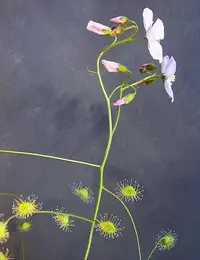
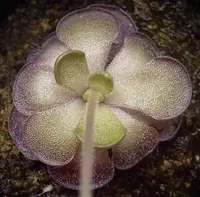
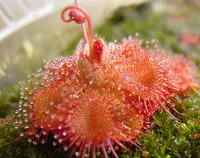
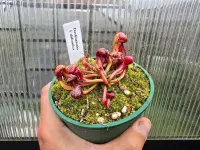
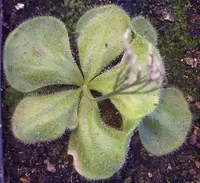
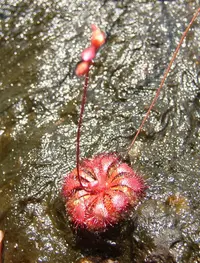
Drosera erythrorhiza, commonly called red ink sundew, is a tuberous carnivorous plant from southwestern Australia. It grows seasonally, sprouting from underground tubers during cooler, wetter months. Rosettes of flat, rounded leaves sit close to the soil, covered in glistening sticky hairs that trap small insects. The foliage often shows deep red tones, especially in strong light. In habitat, it grows in nutrient-poor, sandy or lateritic soils that stay damp in winter and dry in summer. Its clear dormancy period and need for a dry summer rest make it more challenging than many tropical sundews. Those who want to learn how to care for Red Ink Sundew need to match this distinct seasonal rhythm for long-term success.

Main Plant Requirements

Care Difficulty

Hard Care

Light Preference

Partial Sun

Water Requirements

Keep Soil Moist

Temperature Preference

Warm Climate

Hardiness Zone

10–11

Soil Texture

Sandy, Peaty, Organic-rich

Soil pH

Strongly acidic (4.5–5.5)

Soil Drainage

Waterlogged tolerant

Fertilization

Minimal (feed rarely)

Get Personalized Care Plan

Scan your plant to receive care tips personalized for your specific plant

Available on iOS and Android

How to Care for the Red Ink Sundew

This tuberous sundew needs bright, cool-season light to fuel growth and strong red coloration.

  • Provide 4–6 hours of direct morning sun plus bright, filtered light for the rest of the day during its active autumn–spring growth period.
  • Allow light, open shade or dappled sun in hotter months to prevent leaf scorch, especially in climates with intense afternoon sun.
  • Watch the rosette color: pale, elongated leaves indicate insufficient light, while crispy, brown patches suggest excessive direct midday sun.

This species prefers moist, low-nutrient conditions in the growing season and much drier soil when dormant.

  • During active growth, keep the soil evenly moist but not flooded, allowing only the top 0.5–1 cm to lose surface sheen before watering lightly again.
  • Use rainwater, distilled, or reverse-osmosis water to avoid mineral buildup, which can cause leaf burn and weak growth in Drosera erythrorhiza.
  • As foliage dies back and dormancy starts, gradually let the soil dry almost completely, watering sparingly to avoid tuber rot while preventing total desiccation.

This tuberous sundew is adapted to mild, winter-growing conditions with dry, warm summers in dormancy.

  • Aim for 55–70°F (13–21°C) during the main growth period, with cooler nights that mimic Mediterranean-type winter climates.
  • Protect from hard frost; short dips near 32°F (0°C) may be tolerated, but repeated freezes can damage leaves and underground tubers.
  • In summer dormancy, tolerate 75–90°F (24–32°C) if soil stays dry; prolonged heat above 95°F (35°C) increases stress and risk of tuber loss.

This tuberous sundew prefers moderate humidity but adapts well to typical indoor air if other conditions are correct.

  • Aim for 40–60% humidity during active growth, avoiding constantly saturated air that encourages fungus.
  • The plant tolerates brief dips to 30% if the tuber is kept in slightly moist, cool soil.
  • Humidity stress shows as weak dew production, dull leaf color, and slow growth in Red Ink Sundew.
  • Increase humidity locally with a nearby water tray or grouped plants, not by misting the leaves.

This species needs a loose, mineral-based, low-nutrient mix that stays slightly moist around the tuber but never waterlogged.

  • Use a sandy mix such as 50–70% coarse sand with the remainder unfertilized peat or fine silica grit for Drosera erythrorhiza.
  • Ensure very sharp drainage so excess water runs off quickly while the lower layer remains lightly moist in season.
  • Keep pH slightly acidic to neutral by using peat and silica sand, avoiding limestone chips or alkaline tap water buildup.
  • Avoid compost, manures, standard potting mix, or fertilizers, which cause root burn and rapid tuber decline.

This species is suitable for container growing when the pot is set up to protect the underground tuber.

  • Choose a deeper pot rather than a shallow one so the tuber can sit 5–10 cm below the surface in a cooler zone.
  • Use plastic or glazed pots to slow sidewall drying, which helps maintain a stable moisture profile in the sand-rich mix.
  • Stand the pot in a shallow tray only during active growth, then remove or dry it out fully during the summer dormancy period.

This carnivorous tuberous sundew obtains most nutrients from prey and reacts poorly to conventional fertilization.

Pruning needs for Drosera erythrorhiza are minimal and focus on hygiene rather than shaping.

  • Use fine scissors or small snips to remove dead or blackened leaves at the end of the growing season.
  • Cut away any moldy or decaying material around the tuber to reduce rot risk.
  • Avoid trimming healthy, dewy leaves since this reduces photosynthesis and prey capture.

This species grows from underground tubers that prefer infrequent disturbance and careful handling.

  • Repot every 2–3 years, or when tubers crowd the pot or growth weakens despite good light and water.
  • Carry out repotting in late summer to early fall, while tubers are dormant and foliage is absent.
  • Gently unearth tubers from the dry substrate, keeping skins intact, and transfer to fresh, low-mineral mix.
  • Water lightly after potting, then resume normal seasonal moisture as growth resumes.

Drosera erythrorhiza is most often propagated from tubers or leaf cuttings under controlled conditions.

  • Divide offsets from mature tubers in late summer dormancy, ensuring each piece has a viable bud.
  • Plant tubers shallowly in a low-mineral, sandy mix and keep barely moist until growth appears.
  • Take leaf cuttings from healthy winter or spring rosettes, pressing leaves onto damp, mineral-free medium.
  • Provide bright, indirect light, high humidity, and stable 60–70°F temperatures to encourage rooting.

This Mediterranean-climate species grows in cool, wet winters and survives hot, dry summers as dormant tubers.

  • For Red Ink Sundew indoors, keep active plants cool at 50–65°F with bright light through winter.
  • Maintain evenly moist, low-mineral substrate during the growth period, never waterlogged.
  • Outdoor pots in mild climates can stay outside if protected from hard frost below about 28°F.
  • If severe freezes threaten, move containers to a cool, bright, frost-free space until temperatures moderate.

Care Tips

Dry Dormancy Management

After the foliage dies back in late summer, keep the potting mix almost dry and store the dormant tubers in a cool, bright, rain-sheltered spot so they do not rot or sprout prematurely.

Top-Watering Technique

When active, stand the pot in a shallow tray of low-mineral water for 15–30 minutes, then drain fully, rather than watering from above, to avoid washing off the sticky mucilage that traps insects.

Seasonal Light Shift

Move the plant to the brightest, coolest window or greenhouse position available in autumn and winter, then shift it to a shaded, airy area during its dry summer dormancy to mimic its natural Mediterranean-type climate cycle.

Use Deep Containers

Plant tubers in deep, narrow pots (at least 15–20 cm tall) so roots can grow downward and tubers stay insulated from surface temperature swings.

Pest-Safe Trapping

If fungus gnats or similar small insects appear, allow the plant to capture them naturally instead of spraying pesticides, since systemic or oil-based products can damage the leaf glands and interfere with caring for Red Ink Sundew.

Common Pests and Diseases

Aphids

This pest often appears on young winter rosettes and flower stalks, sucking sap and weakening the plant. Symptoms include distorted new growth, sticky residue, and reduced trapping activity of the leaves.

Solution

Rinse foliage gently with a steady stream of room‑temperature water to dislodge insects, taking care not to damage the sticky traps. For persistent infestations, use a dilute insecticidal soap or neem oil spray applied in the evening, and repeat weekly until no aphids are visible, avoiding runoff into the mineral‑poor substrate that Drosera erythrorhiza prefers.

Fungus gnats

These insects are attracted to constantly moist carnivorous plant media and their larvae feed in the upper root zone. Symptoms include slow growth in the winter growing season and fine black gnats hovering over the pot surface when disturbed.

Solution

Allow the top 0.5–1 cm of the medium to dry slightly between waterings during active growth while keeping the deeper layer moist, and use yellow sticky traps to catch adults. In heavier infestations, apply a biological control such as Bacillus thuringiensis israelensis (BTI) as a soil drench at label rates, which targets larvae without harming the plant.

Botrytis blight

This disease develops in cool, stagnant, and humid air, especially around old leaves and flower stems. Symptoms include soft brown patches on leaves, grey fuzzy mold, and rapid collapse of affected tissue.

Solution

Remove and discard all affected leaves and any dead plant material from the soil surface, then improve ventilation and reduce overhead humidity around the foliage. If conditions remain cool and damp, apply a sulfur‑based or other low‑residue fungicide suitable for carnivorous plants as a light spray, and avoid wetting leaves late in the day.

Rhizoctonia crown rot

This disease occurs mainly in poorly drained or overly warm, wet media during the plant’s dormancy. Symptoms include sudden collapse of the winter rosette, browning at the crown, and failure to resprout from the tuber.

Solution

At the first sign of collapse, unpot carefully and remove any obviously rotted tissue, then replant healthy tubers in a fresh, well‑aerated sandy mix and allow the medium to stay only lightly moist during dormancy. For collections with repeated losses, a preventative drench with a systemic fungicide labeled for Rhizoctonia at the start of dormancy, combined with cooler, drier storage, significantly reduces infections and supports long‑term Drosera erythrorhiza plant care.

Interesting Facts

Winter-dormant tuber

This species survives the hot, dry Western Australian summer as an underground tuber and only produces leaves and traps in the cool, wet winter growing season.

Shield-like leaf rosettes

Its leaves form flat, shield-shaped rosettes pressed close to the soil surface, an adaptation that helps it capture small ground-dwelling insects while staying sheltered from drying winds.

Distinct erythrorhiza subspecies

Several recognized subspecies differ in leaf shape, coloration, and habitat preference across southwestern Western Australia, making Drosera erythrorhiza a small but well-studied complex within tuberous sundews.

Botan icon

Did you know?

Charles Darwin studied closely related sundews when developing his experiments on plant carnivory, and modern research often includes Drosera erythrorhiza and other tuberous species to understand how these plants balance photosynthesis with the energetic costs of trapping and digesting prey.

FAQs about Red Ink Sundew

Brown leaves usually result from low humidity, mineral-rich tap water, or excessive heat around the tuber. Use low-mineral water, keep the medium just moist in the growing season, and allow a cool, dry dormancy without disturbing the tuber.

Grow Healthy Plants with Botan Care

Keep your plants happy and healthy with plant identification, disease detection, and easy care guidance.

Botan plant care app — identify plants on mobile

Explore More Plants