Waldo rockcress Care (Arabis aculeolata)

Waldo rockcress

About Waldo rockcress

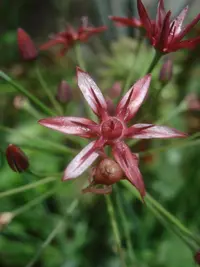
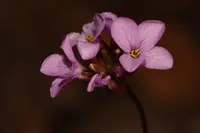
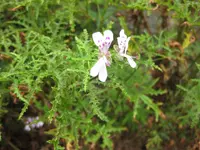
Waldo rockcress (Arabis aculeolata) is a compact, low-growing perennial in the mustard family, forming tight mounds or cushions of small, gray-green leaves. In spring it produces clusters of delicate pink to purple flowers that sit just above the foliage, giving a neat, alpine look.

This species is native to rocky slopes and outcrops in parts of the Pacific Northwest, where it grows in well-drained, often gravelly soils. It is generally considered moderately easy to grow if given sharp drainage, sun to light shade, and protection from prolonged wetness. Gardeners who care for Waldo rockcress often choose it for rock gardens, troughs, or other small spaces where its tidy habit can be appreciated.

Main Plant Requirements

Care Difficulty

Moderate Care

Light Preference

Full Sun

Water Requirements

Low Water

Temperature Preference

Cold Hardy

Hardiness Zone

6–9

Soil Texture

Sandy, Loamy, Rocky

Soil pH

Acidic (5.5–6.5), Slightly acidic (6.5–7.0)

Soil Drainage

Well-drained

Fertilization

Minimal (feed rarely)

Get Personalized Care Plan

Scan your plant to receive care tips personalized for your specific plant

Available on iOS and Android

How to Care for the Waldo rockcress

This alpine perennial prefers bright, cool conditions with several hours of direct sun daily.

  • Provide 4–6 hours of direct sun, ideally morning sun with light afternoon shade, to support compact, floriferous Waldo rockcress growth.
  • In hotter summer areas, protect from intense sun after 1–2 pm using open shade from shrubs, rocks, or fences to reduce leaf scorch and flower fade.
  • In cooler climates, choose a south- or west-facing slope or rock garden so plants receive strong spring light before surrounding vegetation casts shade.

This rock garden species needs infrequent but thorough watering in sharply drained soil.

  • Allow the top 3–5 cm of soil to dry before watering; foliage that wilts only at midday yet recovers by evening usually indicates acceptable drought stress.
  • Use gritty, fast-draining soil or a slope so water does not pool around roots; yellowing, soft foliage and a rotten crown signal overwatering or poor drainage.
  • During cool seasons and after flowering, reduce watering frequency, while in hot, dry spells water more deeply but still only after the soil has clearly dried.

This cold-hardy perennial thrives in cool to moderate temperatures and tolerates substantial winter chill.

  • Best growth occurs around 55–70°F (13–21°C), typical of spring and early summer conditions in many temperate rock gardens.
  • Mature plants usually survive down to about 0°F (−18°C) with good drainage; persistent winter wet combined with freeze–thaw cycles is more damaging than low air temperature alone.
  • In hot climates, plants struggle with extended periods above 85°F (29°C); provide afternoon shade and mulch with gravel to keep the root zone slightly cooler.

This species prefers relatively dry to moderately dry air and rarely needs special humidity management.

  • Target 30–50% humidity, matching typical outdoor rock garden or exposed patio conditions.
  • Plants tolerate dry air well, but prolonged warm, stagnant air can increase spider mite risk.
  • Humidity stress shows as pale, roughened foliage; improve air movement rather than misting, which can promote foliar disease.

Arabis aculeolata thrives in lean, sharply drained, mineral-rich soil that mimics a rocky slope.

  • Use a gritty mix such as 50–60% coarse sand or fine gravel plus 40–50% loam with minimal organic matter.
  • Ensure very rapid drainage; raised beds, rock crevices, or slopes help excess water run off.
  • Aim for slightly alkaline to neutral pH around 7.0–7.8, adding crushed limestone grit if the soil is acidic.
  • Avoid heavy clay, peat-heavy mixes, or sites where water lingers, which quickly cause root rot and winter losses.

This plant can grow in containers if provided with very sharp drainage and a shallow, wide root run.

  • Choose a broad, shallow pot to match its mat-forming habit and prevent water from pooling at depth.
  • Use a heavy, low terracotta or stone container to stabilize the spreading mound against wind on exposed sites.
  • Place the pot on pot feet or bricks so drainage holes stay clear and water runs off quickly after rain or watering.

Arabis aculeolata is adapted to lean, rocky soils and needs only light feeding in cultivation.

  • Use a low-dose, balanced NPK fertilizer or a thin layer of compost in early spring to support new growth.
  • Apply once at the start of the growing season; frequent feeding is unnecessary for growing Waldo rockcress.
  • Dilute liquid fertilizer to 1/2–1/4 strength to avoid salt buildup and excessive foliage growth.
  • Avoid feeding in late fall and winter, when growth slows and nutrients are less effectively used.

Arabis aculeolata benefits from light, well-timed pruning to maintain a compact, flowering mat.

  • Shear back spent flower stems after blooming in late spring to encourage dense new growth.
  • Remove dead, damaged, or weak shoots with clean, sharp scissors or hand pruners.
  • Thin crowded sections slightly to improve air movement and reduce moisture-related disease.
  • Trim only the soft, leafy growth; avoid cutting deeply into old, woody crowns to prevent setbacks.

This rock-garden perennial is usually transplanted outdoors rather than repotted frequently in containers.

  • Transplant in early spring or early fall, when temperatures are mild and soil moisture is stable.
  • Look for roots circling the pot, dense root mats at drainage holes, or stalled growth as signs it has outgrown the container.
  • Shift to a shallow, well-drained container or rocky bed, disturbing roots as little as possible and keeping the original soil around them.
  • Water gently after transplanting, then allow the soil to drain well to limit root stress and encourage quick re-establishment.

Arabis aculeolata is commonly propagated by seed and by careful division of mature clumps.

  • Sow fresh seeds in late summer or fall in a gritty, well-drained mix; keep slightly moist and cool for even germination.
  • Use small, non-woody divisions in early spring, keeping several shoots and a firm root portion on each piece.
  • Replant divisions at the same depth, firm the soil, and water lightly to settle roots without waterlogging.
  • Softwood stem cuttings taken in late spring can root in a sandy mix under bright, indirect light and moderate humidity.

This species is cold hardy in many temperate regions and usually needs only minimal winter care outdoors.

  • In climates with sustained freezing, apply a light gravel or bark mulch around, but not over, the crowns to buffer temperature swings.
  • Ensure soil drains freely through winter; standing water around roots increases rot risk in cold conditions.
  • For container plants, move pots to a sheltered, unheated but frost-sheltered spot and avoid heavy winter watering.

Care Tips

Rocky mulch band

Create a 5–10 cm wide band of small gravel or grit around the crown to keep foliage dry at the base, reduce soil splash, and mimic the rocky habitats that help reduce fungal issues when growing Waldo rockcress.

Post-bloom shearing

Immediately after flowering, shear back spent flower stems by 1/3–1/2 to encourage a tight cushion of new growth and prevent the plant from opening up or becoming leggy over summer.

Winter wet protection

In regions with wet winters, slightly tilt or raise the planting area with a shallow berm so excess water drains away from the crown, which significantly lowers the risk of rot in cold, saturated soils.

Alkalinity management

If soil is strongly acidic, lightly top-dress once a year with fine limestone chips or dolomitic lime to maintain the slightly alkaline conditions this species prefers without overfertilizing.

Controlled self-seeding

Allow a few seed heads to mature and drop where you want new plants, then remove the rest, which lets you gradually thicken the mat in chosen gaps while preventing unwanted spread into adjacent beds.

Common Pests and Diseases

Flea beetles

These insects chew many small round holes in leaves, often giving foliage a shot‑holed or lace‑like appearance, especially on young growth.

Solution

Use floating row covers over young plants in spring, remove nearby Brassicaceae weeds that host the beetles, and apply a targeted spinosad or pyrethrin product in the evening if damage becomes heavy. Keeping plants well watered but not wet helps them outgrow minor feeding.

Cabbage aphids

These insects cluster on tender stems and leaf undersides, sucking sap and causing curling, distortion, and sticky honeydew that can attract sooty mold.

Solution

Spray plants with a firm stream of water to dislodge colonies, then treat remaining clusters with insecticidal soap or a light horticultural oil, ensuring full coverage of leaf undersides. Avoid high nitrogen fertilizer that encourages soft, aphid‑prone growth and remove heavily infested stems if needed.

Downy mildew

This disease causes pale yellow to light green angular spots on upper leaf surfaces, with a grayish to violet downy growth on the undersides in cool, damp weather.

Solution

Improve air circulation by spacing and occasional thinning, water at soil level in the morning, and avoid prolonged overhead wetting. Remove and discard infected leaves, and in areas with recurring problems use a labeled copper or phosphorous acid fungicide preventively in cool, humid periods as part of broader Arabis aculeolata plant care.

White rust

This disease produces pale spots on upper leaf surfaces and white blister‑like pustules on the undersides, which can distort leaves and reduce vigor.

Solution

Promptly remove and discard affected leaves to reduce spore spread, avoid overhead irrigation, and provide good airflow around plants. In beds with repeated issues, rotate away from other brassicas for several years and consider a labeled protectant fungicide at the first sign of symptoms.

Leaf spot

Symptoms include small dark brown to black spots on leaves that may develop pale halos and cause premature yellowing and drop, particularly in crowded or damp plantings.

Solution

Cut off and dispose of affected foliage, clean up plant debris around the clump, and water at the base rather than from above. Improve drainage and spacing, and if spotting continues during wet periods, use a labeled broad‑spectrum fungicide as a short‑term support while cultural conditions are corrected.

Interesting Facts

Narrow serpentine specialist

This species is naturally restricted to rocky serpentine outcrops in southwestern Oregon and adjacent northern California, where high heavy-metal content and low nutrients exclude many competing plants.

Dense cushion growth

It forms tight, low cushions with small, stiff leaves that help it resist desiccation and withstand the exposed, windy conditions of its mountain habitats.

Early-season pollinator resource

In its native range it flowers in early spring, providing one of the first nectar and pollen sources for local bees and other insects on otherwise sparse serpentine ridges.

Botan icon

Did you know?

This species is considered globally rare and is tracked as a conservation concern because of its very limited distribution and dependence on specialized serpentine rock habitats that are easily disturbed by quarrying, road building, and other land uses.

FAQs about Waldo rockcress

This species is a short-lived perennial. Individual plants often persist 3–5 years but may behave like long-lasting biennials in harsh sites. It usually maintains itself by self-seeding within suitable rocky or well-drained habitats.

Grow Healthy Plants with Botan Care

Keep your plants happy and healthy with plant identification, disease detection, and easy care guidance.

Botan plant care app — identify plants on mobile

Explore More Plants