Toothy Storksbill Care (Pelargonium denticulatum)

Also known as: toothed-leaved pelargonium, pine-scented geranium, fernleaf geranium
Toothy Storksbill

About Toothy Storksbill

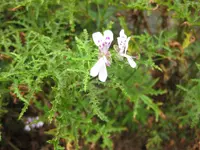
Toothy storksbill, Pelargonium denticulatum, is a scented geranium species grown mainly for its finely divided, toothed foliage and aromatic leaves. It forms a loose, shrubby mound with small pinkish flowers above light green, fern-like stems.

This species is native to South Africa, where it grows in dry, sunny habitats with well-drained soil. Its drought tolerance and relatively slow, open growth habit make it a suitable choice for containers, herb gardens, and sunny windowsills.

Plants prefer bright light, moderate watering, and airy, free-draining soil, which keeps roots healthy and foliage dense. With these conditions, it is straightforward to care for Toothy Storksbill for both indoor and outdoor use in mild climates.

Main Plant Requirements

Care Difficulty

Moderate Care

Light Preference

Full Sun

Water Requirements

Moderate Water

Temperature Preference

Tropical / Frost Sensitive

Hardiness Zone

10–11

Soil Texture

Sandy, Loamy, Organic-rich

Soil pH

Slightly acidic (6.5–7.0), Neutral (7.0)

Soil Drainage

Well-drained

Fertilization

Light (every 4–6 weeks)

Get Personalized Care Plan

Scan your plant to receive care tips personalized for your specific plant

Available on iOS and Android

How to Care for the Toothy Storksbill

Pelargonium denticulatum thrives in bright, direct sun for most of the day when grown outdoors.

  • Provide 6–8 hours of sun daily, ideally with strong morning sun and some light afternoon shade in very hot climates.
  • Tolerates light partial shade, but growth becomes looser and flowering reduces if it receives under 4–5 hours of direct light.
  • In summer, monitor foliage for leaf scorch or bleaching in intense afternoon sun, and in winter move Toothy Storksbill to the brightest, most open position available.

This species prefers thorough but infrequent watering that allows the soil to dry slightly between soakings.

  • Water only when the top 2–4 cm of soil feel dry, wetting the root zone deeply and then letting excess drain away fully.
  • In spring and summer, expect to water more often during active growth, but reduce frequency in cooler months to prevent root rot.
  • Watch for yellowing, soft leaves as a sign of overwatering, and crisp, drooping leaves plus very light soil as indicators that Pelargonium denticulatum is too dry.

This scented pelargonium prefers warm, frost-free conditions with moderate seasonal variation.

  • Aim for 65–80°F (18–27°C) for strongest growth, avoiding sudden swings of more than 10°F (6°C) in a short period.
  • It tolerates brief dips to about 35–40°F (2–4°C) but foliage may be damaged; prolonged exposure below freezing can kill stems and roots.
  • In hot weather above 90°F (32°C), provide some afternoon shade and ensure airflow, as combined heat and strong sun can stress the plant.

This aromatic pelargonium prefers relatively dry air and does not need elevated humidity.

  • Aim for 30–50% humidity, similar to most heated indoor rooms, to keep foliage compact and healthy.
  • Toothy Storksbill tolerates drier air well but may show leaf edge browning and slight leaf curl if humidity drops very low with strong heat.
  • If air is extremely dry, group plants together away from heaters rather than misting, which can promote leaf diseases.

This species prefers a light, open, fast-draining mix that mimics sandy, low-moisture habitats.

  • Use a mix of roughly 50–60% peat-free potting mix, 20–30% coarse sand, and 20–30% perlite to create a loose, airy structure.
  • Ensure water drains through in a few seconds after watering; standing water or slow-draining, heavy mixes quickly causes root problems for Pelargonium denticulatum.
  • Aim for slightly acidic to neutral pH around 6.0–7.0, avoiding strongly acidic or strongly alkaline substrates that can limit nutrient uptake.
  • Improve aeration by adding extra perlite or fine bark if the mix feels compact or stays wet longer than 2–3 days.

This species is very suitable for container growing due to its compact, shrubby habit and drought tolerance.

  • Choose a pot only 2–4 cm wider than the root ball to prevent excess wet mix around the roots.
  • Select a relatively heavy terracotta or ceramic container to balance the shrubby, sometimes top-heavy growth in windy outdoor spots.
  • Use a pot with large, unobstructed drainage holes so excess irrigation water exits within seconds rather than pooling at the base.

This scented pelargonium benefits from light but consistent feeding during active growth for compact, floriferous plants.

  • Use a balanced liquid fertilizer (around 10-10-10 or 20-20-20) at 1/4–1/2 strength for Pelargonium denticulatum every 2–3 weeks in spring and summer.
  • Alternatively, apply a thin layer of mature compost or a low-dose slow-release fertilizer at the start of the growing season.
  • Skip feeding or reduce to once every 6–8 weeks in fall and winter when growth slows.
  • Always water before applying fertilizer and avoid fertilizing drought-stressed or freshly repotted Toothy Storksbill.

Thoughtful pruning keeps Pelargonium denticulatum compact, bushy, and well-flowered.

  • Best time for structural pruning is late winter to early spring, just before vigorous new growth begins.
  • Use clean, sharp scissors or pruners to remove dead, damaged, or crossing stems back to healthy tissue.
  • Pinch or tip back soft shoots through the growing season to encourage branching and denser foliage.
  • After flowering flushes, lightly trim straggly stems to maintain shape and stimulate new bloom-bearing growth.

Container-grown plants appreciate occasional repotting to maintain strong growth and healthy roots.

  • Check for roots circling the pot, emerging from drainage holes, or noticeably slow growth as signs Pelargonium denticulatum needs a larger container.
  • Plan to repot every 2–3 years in late winter or early spring, just before the main growth period.
  • Move into a pot 2–5 cm wider with fresh, well-draining mix, gently loosening circling roots without tearing them heavily.
  • Water lightly after repotting, keep out of intense direct sun for 3–5 days, and avoid fertilizing for about 2 weeks to limit root stress.

This species is commonly propagated from stem cuttings for consistent foliage and scent.

  • Take non-flowering, 7–10 cm semi-ripe stem cuttings in late spring to late summer from healthy Pelargonium denticulatum plants.
  • Remove lower leaves, allow cut ends to dry for 20–30 minutes, then insert into a free-draining mix such as 50% perlite and 50% potting soil.
  • Maintain bright, indirect light, gentle warmth around 68–75°F, and slightly moist but never soggy substrate for rooting.
  • Seed propagation is possible but slower and more variable, requiring warm conditions and consistently lightly moist seed-starting mix.

This tender pelargonium is not frost hardy and needs protection in cold climates.

  • In regions below 25–30°F, grow Pelargonium denticulatum in containers and move indoors before the first frost.
  • Overwinter in a bright, cool room around 45–60°F with reduced watering to keep the soil just barely moist.
  • In mild-winter areas, plant in very well-drained soil and apply a light mulch to buffer temperature swings.

Care Tips

Pinch For Bushiness

Pinch out the soft shoot tips every 3–4 weeks during active growth to keep plants compact, encourage more branching, and increase the number of scented leaves for cutting.

Refresh Woody Plants

If stems become woody and sparse, cut back 1/3 of the longest shoots in early spring to just above a healthy node, which encourages a flush of new leafy growth without shocking the plant.

Manage Scented Harvest

Harvest small amounts of foliage for fragrance or crafts by taking only the upper leafy portions of non-woody stems, leaving at least 2–3 nodes per stem so the plant can regrow strongly.

Ventilation Against Mildew

Provide steady air movement with an open window, vent, or small fan directed past (not at) the plant to reduce humidity pockets around the foliage and lower the risk of powdery mildew when growing Toothy Storksbill indoors.

Winter Light Boost

In winter, move containers to the brightest, coolest indoor spot available and rotate the pot 1/4 turn each week to prevent leaning and maintain even, compact growth under low-light seasonal conditions.

Common Pests and Diseases

Botrytis blight

This disease often develops in cool, humid conditions and on crowded or poorly ventilated scented geraniums. Symptoms include soft brown spots on leaves, grey fuzzy mold on stems, and blight of flower heads.

Solution

Remove and discard all affected leaves, stems, and flowers, then improve airflow by spacing plants and avoiding overhead watering. Allow the soil surface to dry between waterings and, in persistent cases, apply a labeled fungicide containing ingredients such as chlorothalonil or copper, following the package directions carefully.

Bacterial leaf spot

This disease causes small water-soaked lesions on leaves that turn dark brown or black, often with a yellow halo, and can lead to leaf drop in Pelargonium denticulatum. Symptoms include rapid spread during warm, wet conditions or with frequent leaf wetting.

Solution

Promptly remove and discard symptomatic leaves and any severely affected plants, and avoid splashing water on foliage by watering at soil level. Disinfect pruning tools with 70% alcohol between cuts and reduce humidity around plants; if the problem persists, replace stock with healthy, certified cuttings and avoid reusing contaminated pots and media.

Geranium rust

This disease appears as small yellow spots on upper leaf surfaces and orange-brown pustules on the undersides, and is favored by mild temperatures and leaf wetness. Symptoms include premature leaf yellowing and drop, which weakens the plant and reduces scented foliage quality.

Solution

Remove and destroy all infected leaves and maintain good spacing and air circulation so foliage dries quickly after watering. Avoid overhead irrigation; in severe cases use a rust-labeled fungicide and rotate active ingredients to reduce resistance, following all label instructions.

Cotton aphids

These insects feed on new growth and flower stems, sucking sap and causing curling, distortion, and sticky honeydew that can support sooty mold. This pest is especially attracted to soft, fragrant shoots of scented geraniums grown under warm, protected conditions.

Solution

Physically remove colonies by pinching off heavily infested tips or by washing stems with a firm stream of water, repeating every few days. For persistent populations, use insecticidal soap or a light horticultural oil, coating all leaf undersides and young stems, and repeat as needed according to the label.

Glasshouse whitefly

These insects are common on Pelargonium species grown indoors or in greenhouses and gather on leaf undersides, flying up in small white clouds when disturbed. This pest weakens plants by sap feeding and produces honeydew, which can encourage sooty mold growth on leaves.

Solution

Inspect the undersides of leaves regularly and remove heavily infested foliage; yellow sticky traps can help monitor and reduce adult numbers. Treat remaining nymphs on leaf undersides with insecticidal soap or horticultural oil, making thorough, repeated applications, and improve ventilation to discourage population buildup as part of Toothy Storksbill indoor care.

Interesting Facts

Fine toothed foliage

This species has finely toothed, deeply divided leaves, which is the origin of the epithet denticulatum, meaning finely toothed, and helps increase leaf surface area for light capture in its native habitats.

Strong resinous scent

Crushed leaves release a sharp, resinous and slightly balsamic aroma rather than a sweet floral scent, due to its distinct mix of volatile organic compounds that differs from rose- or lemon-scented pelargoniums.

Shrubby fynbos native

It is naturally distributed in parts of the Western and Eastern Cape of South Africa, where it grows as a small, woody shrub in fynbos and scrub vegetation on dry, often rocky slopes.

Botan icon

Did you know?

Pelargonium denticulatum has been used as a parent in breeding programs for scented-leaf pelargoniums, passing on its finely divided foliage and strong resinous scent to several ornamental hybrids that are now common in horticulture.

FAQs about Toothy Storksbill

Poor flowering is usually linked to low light, excessive nitrogen fertilizer, or old, unpruned stems. Check that the plant gets enough brightness, feed with a balanced product, and trim back leggy growth to stimulate new flowering shoots.

Grow Healthy Plants with Botan Care

Keep your plants happy and healthy with plant identification, disease detection, and easy care guidance.

Botan plant care app — identify plants on mobile

Explore More Plants