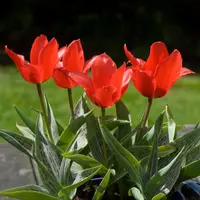
Snow Crocus Care (Crocus tommasinianus 'Ruby Giant')

Also known as: Early Crocus, Tommasini's Crocus, Tommies, Crocus

About Snow Crocus

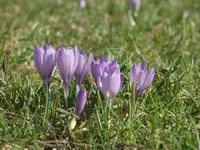
Snow crocus (Crocus tommasinianus 'Ruby Giant') is a small, early-flowering bulb grown for its purple, goblet-shaped blooms and grass-like foliage. It emerges very early in spring, often through melting snow.

This crocus species is native to the Balkans but is widely naturalized in temperate gardens and lawns. It forms clumps and slowly spreads, creating low, colorful carpets.

The plant is generally easy to grow, as it tolerates cold winters and brief late frosts. Light, well-drained soil and sun to light shade support healthy growth. Gardeners who learn how to care for Snow Crocus usually find it reliable and long-lived.

Main Plant Requirements

Care Difficulty

Easy Care

Light Preference

Full Sun

Water Requirements

Moderate Water

Temperature Preference

Cold Hardy

Hardiness Zone

3–8

Soil Texture

Sandy, Loamy, Organic-rich

Soil pH

Acidic (5.5–6.5), Slightly acidic (6.5–7.0)

Soil Drainage

Well-drained

Fertilization

Minimal (feed rarely)

Get Personalized Care Plan

Scan your plant to receive care tips personalized for your specific plant

Available on iOS and Android

How to Care for the Snow Crocus

This small spring bulb prefers bright conditions with cool, gentle sun during its active growth.

  • Provide 4–6 hours of direct morning sun or soft late-afternoon sun; light dappled shade at midday helps prevent bloom fade in warmer regions.
  • In open deciduous lawns or borders, it benefits from full sun before trees leaf out, then tolerates partial shade (bright, shifting light) later in spring.
  • Too little sun causes weak, floppy leaves and fewer flowers the following year; very intense, all-day summer sun can bake dry soils and stress dormant bulbs.

This bulb prefers evenly moist but never waterlogged soil during active growth, then much drier conditions when dormant.

  • From late winter through flowering, water only if natural rainfall is low and the top 3–5 cm of soil feel dry, aiming for moist, crumbly soil rather than soggy ground.
  • Ensure sharp drainage with sandy or gritty soil; persistent puddling, algae, or a sour smell indicate overwatering and risk bulb rot in Crocus tommasinianus 'Ruby Giant'.
  • After foliage yellows and dies back, reduce watering sharply; in summer, dry soil is acceptable, but severe, prolonged drought in spring leads to short-lived blooms and small corms.

This hardy spring bulb thrives in cool climates with cold winters and mild springs.

  • Active growth and flowering occur best around 40–60°F (4–16°C); it tolerates typical late-winter chills and light freezes during this period.
  • Corms need a cold rest, usually at 35–45°F (2–7°C) for several weeks in winter, which helps trigger uniform sprouting and flowering.
  • Tolerates minimum soil temperatures down to about 0°F (-18°C) when well mulched; prolonged heat above 85°F (29°C) in poorly drained soil can weaken corms and reduce next year’s display.

Humidity is not a critical factor for Crocus tommasinianus 'Ruby Giant', which thrives in typical outdoor air conditions.

Crocus tommasinianus 'Ruby Giant' prefers a well-aerated, free-draining mineral soil that does not stay wet around the bulbs.

  • Use sandy or loamy soil with 20–30% sharp sand or grit to keep the structure open and prevent compaction.
  • Aim for slightly acidic to neutral pH, around 6.0–7.0, which suits bulb root growth and nutrient uptake.
  • Incorporate a modest amount of garden compost or leaf mold to add organic matter without making the mix heavy.
  • Avoid heavy clay or waterlogged sites; if drainage is slow, raise the planting area or amend with extra grit before planting.

This species grows reliably in containers when the potting setup prevents excess moisture around the bulbs.

  • Choose a pot at least 18–20 cm deep so bulbs can sit 7–10 cm below the rim with room for root spread and a gravel top layer.
  • Use a rigid, stable container material such as ceramic or thick plastic to reduce tipping when the foliage and flowers emerge together.
  • Line the bottom with a thin layer of coarse grit above the drainage holes to keep the bulb zone from sitting in residual water.

This small bulb needs only light feeding to support flowering and long-term vigor when grown in average garden soil.

  • Apply a balanced, slow-release granular fertilizer (around 5-10-10 or 10-10-10) at a low rate in early spring as shoots emerge.
  • Use a thin top-dressing of compost around clumps instead of heavier synthetic feeding for caring for Snow Crocus.
  • Avoid in-season reapplications; excess nitrogen encourages weak foliage rather than strong corm development.
  • Do not fertilize during summer dormancy or winter, and always follow label rates at half-strength for container specimens.

Crocus tommasinianus 'Ruby Giant' needs minimal pruning, mainly cleanup after flowering to keep the planting tidy and healthy.

  • In late spring, remove only withered or diseased foliage using clean fingers or small scissors once it has yellowed naturally.
  • Leave green leaves intact until they die back on their own, as they are storing energy in the corms for next year’s blooms.
  • Snip spent flowers at the base if you wish to reduce self-seeding or keep formal beds neat.
  • Avoid cutting into underground corms and do not mow foliage until it has fully collapsed.

This crocus is usually grown in the ground, with transplanting or lifting needed only every few years when clumps thicken.

  • Plan to lift and divide clumps every 3–5 years in late spring or early summer when foliage has fully yellowed.
  • Choose to move bulbs if flowering declines, growth is crowded, or bulbs push toward the soil surface.
  • Lift carefully with a small fork, loosen soil gently from the corms, and separate offsets by hand to limit root stress.
  • Replant corms at 7–10 cm depth in well-drained soil, water lightly, and avoid heavy disturbance until the next growth cycle.

This species is commonly propagated by division of corms and by seed in suitable garden conditions.

  • Divide clumps in late spring or early summer after foliage dies back, lifting them gently with a hand fork.
  • Separate larger corms and attached offsets, discarding any that are soft or diseased, then replant promptly at the correct depth.
  • Sow fresh seed in pots or trays outdoors in fall, using a gritty, free-draining mix to support natural cold stratification.
  • Keep seed containers evenly moist but not waterlogged; seedlings may take several years to reach flowering size.

Established Crocus tommasinianus 'Ruby Giant' is cold hardy in most temperate climates and usually needs little special winter care.

  • In-ground bulbs tolerate freezing winters; ensure soil drains well so corms do not sit in waterlogged conditions.
  • Apply a light mulch layer after the ground cools to moderate temperature swings, keeping mulch thin directly above bulbs.
  • For container plantings, use frost-resistant pots and move them to a sheltered, unheated area to reduce freeze-thaw stress.

Care Tips

Plant At Varied Depths

When naturalizing in lawns or under deciduous trees, mix bulb depths from 5–10 cm so flowering is staggered by a few days and clumps look fuller over several weeks.


Use Mow-Safe Markers

In lawn plantings, place discreet markers or map the planting area so the first mowing is delayed until foliage has completely yellowed, which protects next year’s flower production.

Cluster For Impact

Plant corms in tight clusters of 10–20 spaced 3–5 cm apart instead of long single rows to create dense color patches that compete better with turf and low groundcovers.

Encourage Self-Seeding

Leave spent flowers and seed capsules in place until they dry and split, then gently shake them over nearby bare soil to gradually expand the colony without replanting.

Combine With Later Bulbs

When planning borders, interplant with later-emerging bulbs or perennials such as daylilies or hostas so their foliage hides the fading crocus leaves, which is useful when caring for Snow Crocus in small gardens.

Common Pests and Diseases

Squirrels and rodents

This pest pressure is mainly on the corms, which may be dug up and eaten, reducing flowering and thinning clumps over time.

Solution

Place wire mesh or hardware cloth over newly planted areas, burying it 2–3 in deep, or plant corms in buried mesh baskets; remove or lift the mesh once foliage appears. In gardens with heavy pressure, plant crocus among less palatable bulbs and promptly remove fallen birdseed or other food sources that attract rodents.

Slugs and snails

These insects are actually mollusks that chew tender spring foliage and flowers, leaving irregular holes and slime trails, especially in damp, shaded sites.

Solution

Hand-pick at dusk or early morning and use simple barriers such as copper tape around small plantings. Reduce hiding places like dense debris, and if needed use iron phosphate slug pellets placed away from pets and wildlife according to label directions.

Crocus smut

This disease causes black, soot-like fungal growth on leaves or flowers, often distorting or weakening shoots and reducing the plant’s vigor over several seasons.

Solution

Remove and discard affected flowers and foliage as soon as symptoms appear, and avoid overhead watering that keeps the plant wet for long periods. In beds with repeated issues, lift and discard heavily affected corms and replant into fresh, well-drained soil, spacing corms so air can move between clumps.

Crocus mosaic virus

This disease leads to streaked, mottled, or distorted leaves and weakened flowering, with clumps gradually declining instead of multiplying strongly.

Solution

Promptly remove and discard suspicious plants, including corms, to reduce spread, and disinfect tools after digging or dividing. Control sap-sucking insects such as aphids nearby and avoid replanting crocuses in the exact same spot with known virus problems for several years to break the infection cycle for Crocus tommasinianus 'Ruby Giant' care instructions.

Interesting Facts

Early pollinator resource

This cultivar flowers very early in late winter to early spring, often when few other blooms are available, providing an important nectar and pollen source for emerging bees.

Seed-based naturalizing

It readily self-seeds and forms stable colonies over time, especially in lighter soils, which makes it one of the most effective snow crocus selections for naturalizing in lawns and under deciduous trees.

Tommies and squirrels

Compared with many large Dutch crocus hybrids, this tommasinianus selection is often reported to be less attractive to squirrels, so established clumps are more likely to persist undisturbed in gardens.

Botan icon

Did you know?

This cultivar is widely used in naturalistic and lawn plantings because its foliage typically dies back before the first mowing is needed, allowing gardeners to integrate early color into turf without changing regular lawn care routines, which simplifies how to take care of Snow Crocus in mixed-use spaces.

FAQs about Snow Crocus

This species usually flowers in late winter to early spring, often as snow melts. Individual blooms last about 5–10 days, but a group of bulbs can provide color for 2–3 weeks as flowers open in sequence.

Grow Healthy Plants with Botan Care

Keep your plants happy and healthy with plant identification, disease detection, and easy care guidance.

Botan plant care app — identify plants on mobile

Explore More Plants