garlic Care (Allium sativum)

Also known as: Garlic
garlic

About garlic

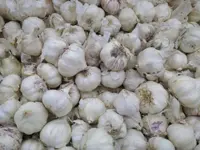
Garlic, Allium sativum, is a bulb-forming perennial usually grown as an annual vegetable crop. It produces segmented bulbs called cloves, upright flat leaves, and sometimes a central flowering stalk.

The plant likely originated in Central or South Asia and is now cultivated worldwide in home gardens and farms. It is generally easy to grow, as it is cold-tolerant, relatively pest-resistant, and stores well after harvest.

Garlic prefers full sun, loose well-drained soil, and even but not excessive moisture. Understanding these basic needs helps gardeners learn how to care for garlic successfully.

Main Plant Requirements

Care Difficulty

Moderate Care

Light Preference

Full Sun

Water Requirements

Moderate Water

Temperature Preference

Cool Climate

Hardiness Zone

3–8

Soil Texture

Sandy, Loamy, Organic-rich

Soil pH

Acidic (5.5–6.5), Slightly acidic (6.5–7.0)

Soil Drainage

Well-drained

Fertilization

Light (every 4–6 weeks)

Get Personalized Care Plan

Scan your plant to receive care tips personalized for your specific plant

Available on iOS and Android

How to Care for the garlic

Strong light is essential for forming large, healthy bulbs.

  • Plant garlic in full sun with 6–8 hours of direct light daily, ideally with morning sun and lighter afternoon exposure in hot regions.
  • It tolerates light partial shade (3–4 hours sun), but expect smaller bulbs and longer maturation time if light is reduced.
  • Avoid deep shade, which causes weak, floppy growth, and monitor for leaf scorch in very intense afternoon sun, using light mulching if needed.

Consistent but not excessive moisture supports strong root and bulb development.

  • Allow the top 3–5 cm of soil to dry before watering, then water deeply so moisture reaches the root zone in well-drained soil.
  • Reduce watering once foliage begins to yellow and stop 1–2 weeks before harvest to prevent bulb rot and splitting in Allium sativum.
  • Watch for soft, yellowing leaves and a sour smell as signs of overwatering, and for thin, dry leaves curling at tips as signs of underwatering.

Temperature influences clove formation, bulb size, and final yield.

  • For active growth, aim for 55–75°F (13–24°C); shoots grow best in cool, mild conditions rather than intense heat.
  • Cloves need a cool period around 32–45°F (0–7°C) for several weeks to develop full bulbs, so fall planting in cold-winter areas is preferred.
  • Mature plants tolerate down to about 20°F (-7°C) with mulch, but prolonged heat above 90°F (32°C) can stress plants, hasten drying, and reduce bulb size.

Humidity is not a major factor for garlic, which prefers relatively dry air similar to outdoor garden conditions.

  • Target 30–50% relative humidity to reduce fungal pressure around bulbs and foliage.
  • Garlic tolerates drier indoor air but performs poorly in persistently damp, stagnant environments.
  • Watch for fuzzy mold at the bulb base or leaf spots as signs of excess humidity combined with poor air movement.

Soil for Allium sativum must stay loose, well-drained, and evenly moist to form healthy bulbs.

  • Use a sandy or loamy soil enriched with moderate compost to provide nutrients without becoming dense.
  • Aim for slightly acidic to neutral pH, around 6.0–7.0, to keep nutrients available and roots active.
  • Improve drainage and aeration by mixing in coarse sand or fine grit, avoiding heavy clays that stay waterlogged.
  • Avoid compacted, salty, or high-manure soils that burn roots or encourage bulb rot and misshapen cloves.

This species can be grown successfully in containers when depth, drainage, and spacing are carefully managed.

  • Choose a container at least 20–25 cm deep so roots and developing bulbs are not cramped vertically.
  • Use a wide pot to allow 8–10 cm between cloves, which limits competition and improves bulb size in confined space.
  • Select a heavier or terracotta container to reduce tipping and moderate moisture swings in windy or hot conditions.

Nutrient support helps garlic form full, healthy bulbs in average garden soils.

  • Apply a balanced granular NPK or well-rotted compost at planting, mixing lightly into the top 5–8 cm of soil.
  • Side-dress with compost or a balanced, diluted liquid feed every 3–4 weeks during active spring growth.
  • Use half-strength liquid fertilizer to avoid excess nitrogen, which can cause lush leaves and smaller bulbs.
  • Stop feeding once foliage begins to yellow and the plant approaches dormancy or harvest time.

Pruning in Allium sativum focuses on managing foliage and flower stalks to favor bulb development.

  • In late spring, cut off emerging flower stalks (scapes) when they curl, using clean, sharp scissors or pruners.
  • Remove yellowing, diseased, or damaged leaves at the base to improve air flow and reduce disease pressure.
  • Avoid heavy leaf removal; leaves are needed for photosynthesis and strong bulb formation.
  • At harvest, trim roots and tops after curing, leaving short necks for better storage.

Transplanting and container adjustment for garlic focus on giving each bulb enough space and loose soil.

  • Transplant or up-pot in fall or very early spring when growth is slow and temperatures are cool.
  • Look for roots circling the pot, crowded bulbs, or stalled growth as signs a container planting needs more room.
  • Gently lift cloves or young plants, keeping roots and basal plates intact, and replant at the same depth in loose, well-drained soil.
  • Water lightly after transplanting, then keep soil just moist to limit shock and encourage quick root re-establishment.

Most Allium sativum plant care uses clove division rather than true seed propagation.

  • In fall, break healthy bulbs into individual cloves, keeping papery skins intact.
  • Plant cloves 5–8 cm deep, pointed end up, in loose, well-drained soil with full sun exposure.
  • Space cloves 10–15 cm apart to reduce competition and ensure good bulb sizing.
  • Maintain even moisture and moderate fertility through cool seasons to support root growth and uniform sprouting.

Garlic is generally cold hardy but benefits from simple winter care in many climates.

  • In regions with freezing winters, apply 5–8 cm of straw or leaf mulch after soil cools to insulate bulbs.
  • Leaves tolerate light frost, but heavy freeze–thaw cycles can heave cloves without mulch protection.
  • For containers, move pots into an unheated but sheltered area, such as a cold frame or garage, to prevent complete freezing.

Care Tips

Use clean seed

Select large, healthy cloves from disease-free bulbs, and dip them briefly in a labeled fungicide or 3% hydrogen peroxide before planting to reduce fungal problems in the bed.

Rotate planting area

Plant garlic in a new bed every 3–4 years away from other alliums to reduce soil-borne diseases such as white rot and to maintain bulb vigor.

Mulch for winter

After the soil surface freezes, apply 5–8 cm of clean straw or shredded leaves to insulate cloves from freeze–thaw cycles and to limit winter heaving of the bulbs.

Remove scapes promptly

On hardneck types, snap off flower scapes once they make a full curl so the plant redirects energy into bulb formation rather than seed production, increasing bulb size.

Cure bulbs correctly

After harvest, hang plants in a shaded, dry, well-ventilated place for 2–4 weeks until necks are fully dry, which improves storage life and reduces losses when caring for garlic post-harvest.

Common Pests and Diseases

Onion thrips

These insects feed by rasping and sucking plant juices from leaves, causing silvery streaks, bronzing, and tip dieback on garlic foliage. Severe infestations can weaken plants and reduce bulb size.

Solution

Monitor foliage regularly and spray plants with a strong jet of water to dislodge thrips, then apply insecticidal soap or a spinosad-based product, ensuring thorough coverage of leaf surfaces. Reduce nearby grassy weeds that host thrips, and rotate plantings so garlic does not follow other alliums in the same bed each year.

Bulb mites

These pests are tiny, white to translucent mites that invade cloves and bulbs, often entering through wounds and causing soft, corky, or rotted tissue. Infested bulbs may shrivel, store poorly, and transmit other diseases.

Solution

Plant only clean, firm seed cloves and avoid using damaged or previously infested bulbs, as this is critical in caring for garlic. Solarize or fallow heavily infested beds, and after harvest cure bulbs thoroughly in a dry, well-ventilated area; discard any soft bulbs and sanitize storage containers.

White rot

This disease is caused by the soil-borne fungus Stromatina cepivorum, leading to yellowing, collapse of leaves and a white, fluffy fungal growth with black sclerotia at the base of bulbs. Infected plants often pull up easily and bulbs may rot completely.

Solution

Remove and destroy infected plants including surrounding soil, and never compost them. Avoid replanting any alliums in the affected area for many years, practice strict crop rotation, clean tools and footwear after working in contaminated beds, and use only certified disease-free seed stock in new locations.

Downy mildew

This disease causes pale, yellowish patches on leaves that later show gray to purplish fuzzy growth, often in cool, humid conditions, leading to distorted, weakened foliage. Severe infections can reduce bulb size and shorten storage life.

Solution

Improve air circulation with wider spacing and avoid overhead watering, especially in the evening. Remove and dispose of infected leaves promptly, rotate away from alliums for at least 3–4 years, and in areas with chronic issues consider using labeled copper or phosphonate products as a preventive spray under favorable disease conditions.

Fusarium basal rot

This disease begins at the basal plate where roots emerge, causing yellowing leaves, stunted growth, and a brown, dry rot that progresses upward into the cloves. Infected plants often show poor root development and bulbs decay in storage.

Solution

Select disease-free seed cloves and avoid planting in heavy, poorly drained soil or beds that recently grew onions, leeks, or garlic. Remove symptomatic plants with surrounding soil, improve drainage with raised beds or organic matter, and practice 3–4 year crop rotations away from alliums to reduce Fusarium levels in the soil.

Interesting Facts

Domesticated bulb crop

Garlic is a fully domesticated form of Allium, and wild populations matching cultivated garlic have not been confirmed in nature, which suggests it has been shaped by human selection for thousands of years.

Sterile flower production

Most cultivated garlic produces flowers or flower stalks that rarely set true seeds, so the plant is almost always propagated vegetatively by planting individual cloves that are genetically identical to the parent bulb.

Allicin and sulfur chemistry

When garlic tissue is crushed or chopped, an enzyme called alliinase rapidly converts the sulfur compound alliin into allicin, which is responsible for the characteristic pungent aroma and many of garlic’s biologically active properties.

Botan icon

Did you know?

Ancient Egyptian workers who built the pyramids were recorded as receiving garlic as part of their rations, indicating that this crop already held economic and cultural importance more than 4,000 years ago.

FAQs about garlic

Yellowing leaves often indicate natural bulb maturation, especially on older, lower foliage. Earlier yellowing can result from nitrogen deficiency, waterlogging, compacted soil, or root pests. Check drainage, avoid overwatering, and consider a balanced fertilizer if soil nutrients are low.

Grow Healthy Plants with Botan Care

Keep your plants happy and healthy with plant identification, disease detection, and easy care guidance.


Botan plant care app — identify plants on mobile

Explore More Plants