


Best Soil for garlic (Allium sativum)

Loose, well-drained soil with a slightly acidic to mildly acidic reaction helps Allium sativum form healthy bulbs and steady roots.

Soil Texture

Sandy, Loamy, Organic-rich

Soil pH

Acidic (5.5–6.5), Slightly acidic (6.5–7.0)

Soil Drainage

Well-drained

Allium sativum Soil Guide

Cultivated for thousands of years, Allium sativum is thought to have origins in central Asia and has long been grown in open, sunny ground with loose, workable soil. Its underground bulb develops best where the root zone stays airy rather than compacted or waterlogged.

The best soil for garlic is well-drained, sandy or loamy, with enough organic matter to hold steady moisture without staying soggy. This balance supports even bulb expansion and healthy root growth, while slightly acidic to near-neutral conditions help roots take up nutrients efficiently.

A simple custom mix gives Allium sativum the balance of airflow and moisture control that bulb development needs in containers or raised beds.

100% total mix = 20 scoops
15%
perlite or pumice3 scoops
20%
compost4 scoops
25%
coarse sand5 scoops
40%
high-quality potting soil8 scoops

The finished blend should feel loose and gritty, hold light moisture without becoming heavy, and let excess water pass through quickly.

A good target is 5.5–7.0 pH, with slightly acidic soil often giving the most reliable nutrient availability. Garlic can handle a mildly acidic range well, especially when nutrients need to stay accessible during bulb formation.

Within that range, important elements such as phosphorus and micronutrients remain easier for roots to absorb. Soil that drifts too far outside it may reduce uptake even when the soil itself seems fertile.

Bulb-forming plants can struggle when the root zone stays unbalanced for too long. With garlic, checking the soil early may help prevent stalled growth and bulb issues.

Compaction:

Compaction: If the surface crusts over or bulbs seem slow to size up, gently loosen the top layer and avoid pressing the soil down hard.

Poor drainage:

Poor drainage: Soil that stays heavy after watering can keep the bulb base too wet, so improve airflow in the root zone and check container drainage.

Low organic matter:

Low organic matter: Thin, exhausted soil may dry unevenly and support weaker growth, so mix in a modest amount of finished compost before planting.

Surface buildup:

Surface buildup: A pale crust from salts or minerals can interfere with root conditions over time, so scrape it away and replace it with fresh material.

Right Plant. Right Soil.

Botan helps match this plant to a more suitable soil setup, so texture and drainage are easier to judge before problems build.

FAQ

Yes. Deeper soil supports straighter root growth and steadier moisture levels around the bulb zone. A container with at least 8–10 inches of soil depth usually works better than a shallow one.

Everything About garlic

More Plant Soil Guides

Wrong Soil? Check It.

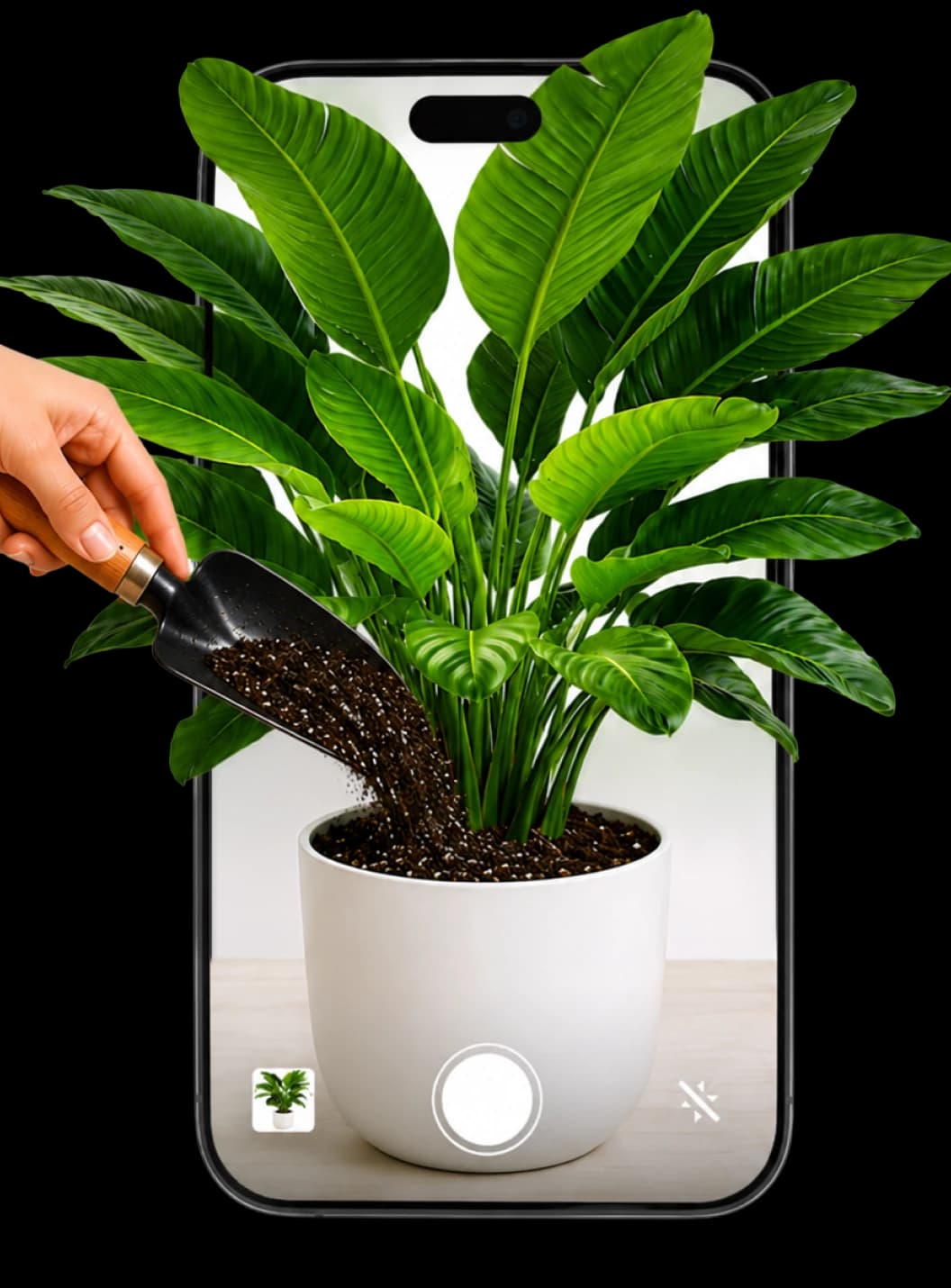
If growth looks off, soil may be one factor worth checking. Botan’s photo-based assessment can help you narrow down likely causes.

Botan app helping with soil and plant care
Best Bedroom Plants – Top 10 to Grow in Your Space

8 min read · 8 Jul 2026

Best Bedroom Plants – Top 10 to Grow in Your Space

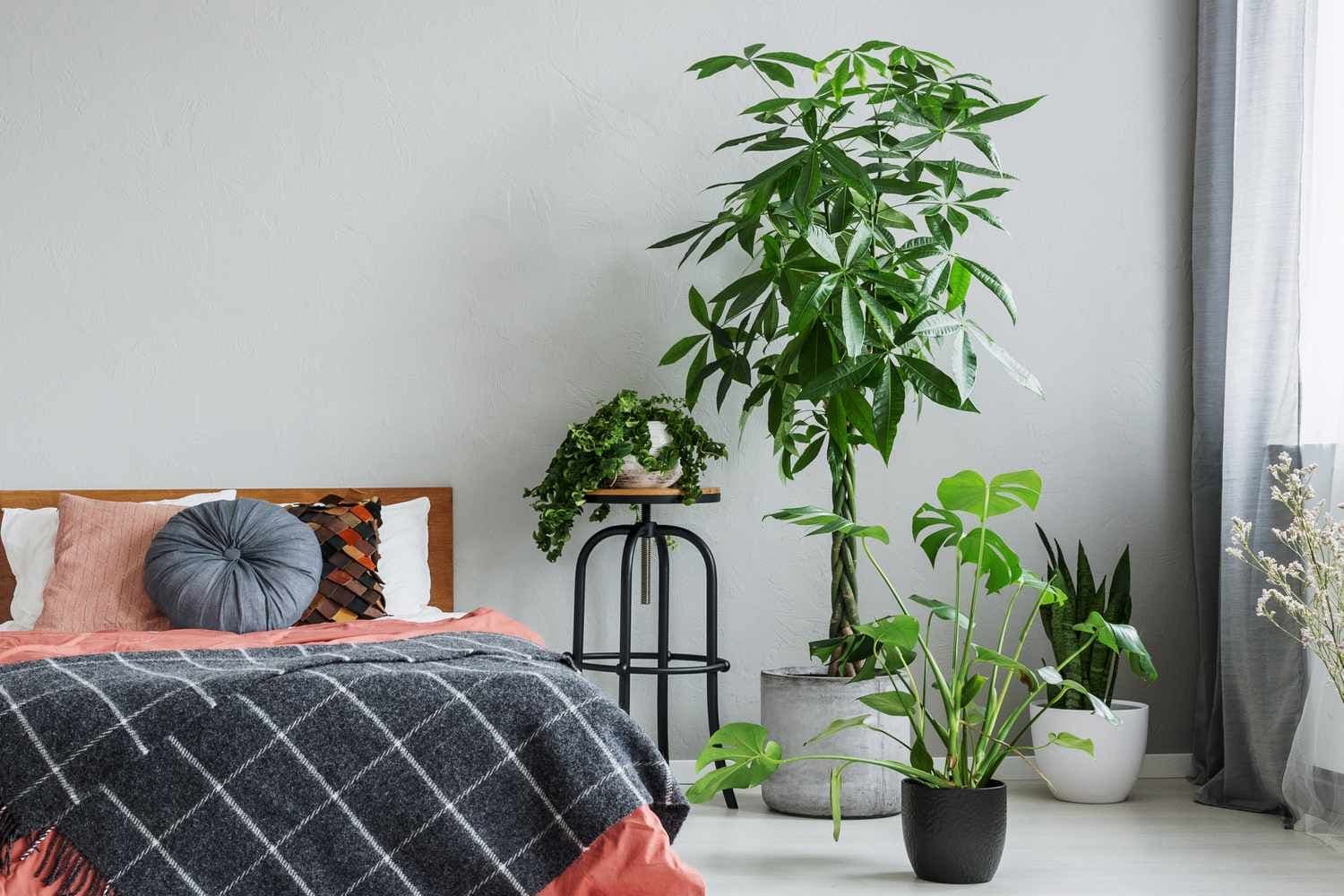
Discover the top 10 houseplants that are suitable for growing in your bedroom. Compare their light and water needs, pet safety, and benefits. Find out where best to place greenery in your relaxation space and what species to avoid.

Plant Recommendations
Best Bedroom Plants – Top 10 to Grow in Your Space
What Plants Don't Like Epsom Salt?

11 min read · 29 Jul 2026

What Plants Don't Like Epsom Salt?

Learn which plants can be seriously damaged by Epsom salt and which will thrive on it. We’ll explain when and how to use it properly, provide tips for indoor & outdoor plants — read on and enjoy a healthy garden.

Plant Care
What Plants Don't Like Epsom Salt?
How To Revive a Dying Plant: 6 Steps To Bring A Plant Back To Life

6 min read · 1 Sept 2026

How To Revive a Dying Plant: 6 Steps To Bring A Plant Back To Life

Drooping leaves and brown tips don't always mean the end, and a weakened plant can often recover with a little help. These six simple steps will help you revive a dying plant and restore its health.

Plant Care
How To Revive a Dying Plant: 6 Steps To Bring A Plant Back To Life