Best Soil for broccoli (Brassica oleracea)

For Brassica oleracea, loose fertile soil with steady moisture, good drainage, and a slightly acidic to neutral pH supports strong root growth.

Soil Texture

Loamy, Sandy, Organic-rich

Soil pH

Acidic (5.5–6.5), Slightly acidic (6.5–7.0)

Soil Drainage

Moist but well-drained

Brassica oleracea Soil Guide

Cultivated broccoli comes from Brassica oleracea, a species native to coastal southern and western Europe, where soils are often fertile, open, and consistently moist without staying waterlogged. That background explains its preference for soil that holds steady moisture yet still drains well.

A loose loamy to sandy, organic-rich substrate suits its relatively shallow, fibrous root system. The best soil for broccoli allows air to reach the roots, supports even water uptake, and provides enough structure and organic matter to stay moist between waterings without becoming dense or stagnant.


A simple homemade blend can give Brassica oleracea the balance of drainage and moisture retention it needs in containers.

100% total mix = 20 scoops
10%
perlite or pumice2 scoops
20%
coarse sand4 scoops
30%
compost6 scoops
40%
high-quality garden soil or raised bed soil8 scoops

The finished mix should feel loose, slightly rich, and crumbly, with water moving through evenly instead of pooling at the surface.

A soil pH of about 5.5–7.0 suits broccoli, with slightly acidic conditions often giving the most balanced nutrient uptake. This range helps roots access key nutrients such as nitrogen, calcium, and magnesium more efficiently.

Brassica oleracea can tolerate a modest pH shift within that span, but strongly acidic or alkaline soil may reduce nutrient availability over time, even when the soil otherwise looks suitable.

A few soil-related issues can limit steady growth in this species. For broccoli, checking root-zone conditions early often helps prevent larger setbacks.

Compacted soil:

Dense soil can slow root spread and leave the surface crusted; gently loosen the top layer and work in coarse organic material if the bed is not planted too closely.

Waterlogged soil:

Heavy, slow-draining ground may keep roots stressed and oxygen-poor; improve drainage first by raising the planting area or shifting to a looser medium.

Nutrient-poor soil:

Thin, exhausted soil often leads to weak development; add finished compost to increase organic matter and improve how the root zone holds nutrients.

Surface crusting:

When the top dries into a hard layer, air and moisture move less evenly; break the crust lightly and add a thin organic cover to buffer the surface.

Better Soil Starts Here

Botan helps match this plant to a more suitable soil setup by combining plant ID with practical care guidance.

FAQ

Yes. Deeper soil gives roots more room to anchor and access consistent moisture, while also reducing rapid temperature swings near the root zone in warm or windy conditions.

More Plant Soil Guides

Could It Be the Soil?

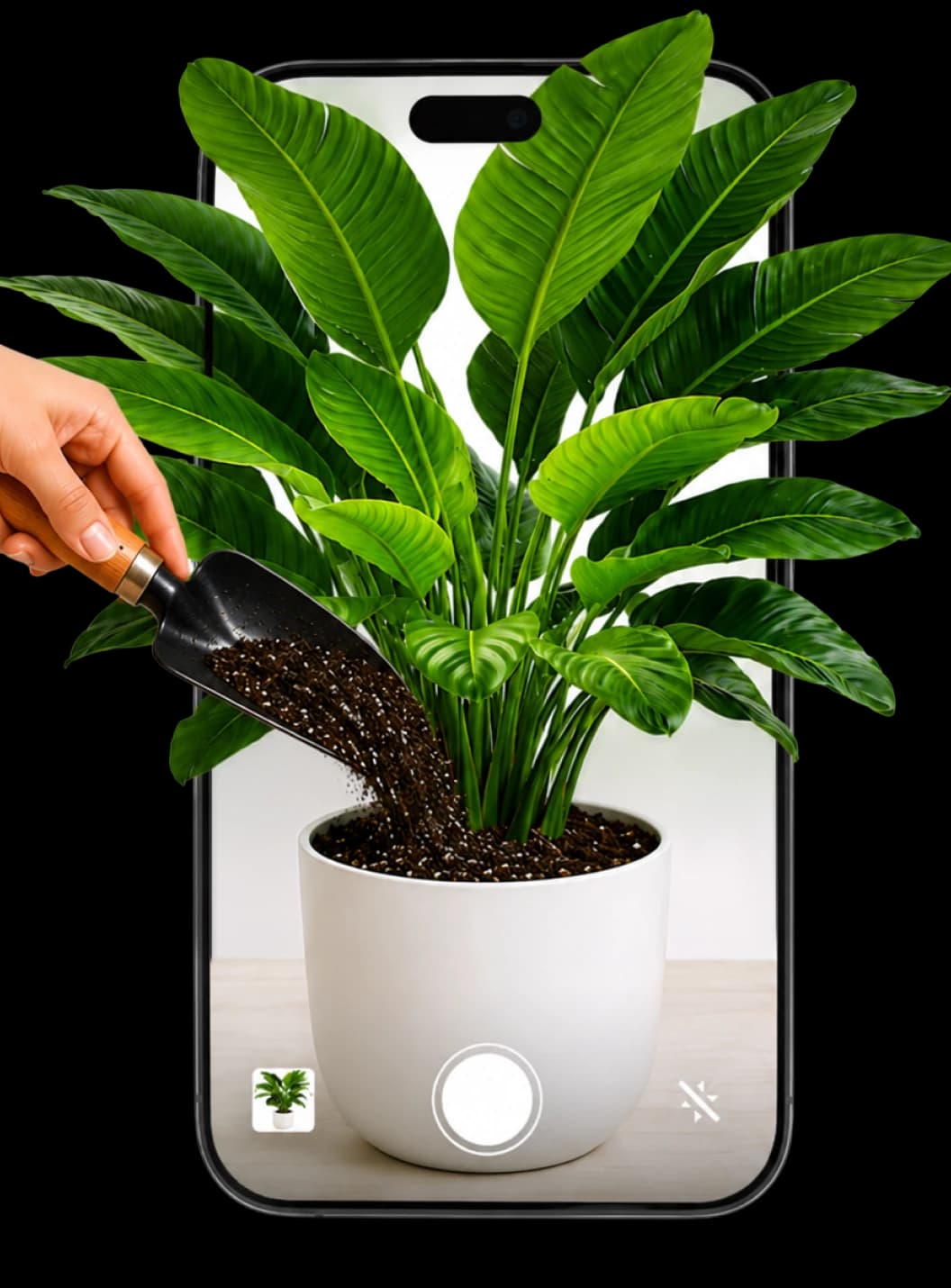
Yellowing, wilting, or stalled growth can have several causes. Botan’s photo-based assessment can help check whether soil may be one factor worth reviewing.

Botan app helping with soil and plant care
What Plants Don't Like Epsom Salt?

11 min read · 29 Jul 2026

What Plants Don't Like Epsom Salt?

Learn which plants can be seriously damaged by Epsom salt and which will thrive on it. We’ll explain when and how to use it properly, provide tips for indoor & outdoor plants — read on and enjoy a healthy garden.

Plant Care
What Plants Don't Like Epsom Salt?
Best Bedroom Plants – Top 10 to Grow in Your Space

8 min read · 8 Jul 2026

Best Bedroom Plants – Top 10 to Grow in Your Space

Discover the top 10 houseplants that are suitable for growing in your bedroom. Compare their light and water needs, pet safety, and benefits. Find out where best to place greenery in your relaxation space and what species to avoid.

Plant Recommendations
Best Bedroom Plants – Top 10 to Grow in Your Space
Banana Peel Water for Plants: 5 Things to Know Before Trying It

5 min read · 9 Jul 2026

Banana Peel Water for Plants: 5 Things to Know Before Trying It

Banana water can provide potassium and some nutrients that may support plant growth, but it is not a universal fix. Use it carefully and only when the plant actually shows signs of nutrient deficiency rather than as a routine treatment.

Plant Care
Banana Peel Water for Plants: 5 Things to Know Before Trying It